


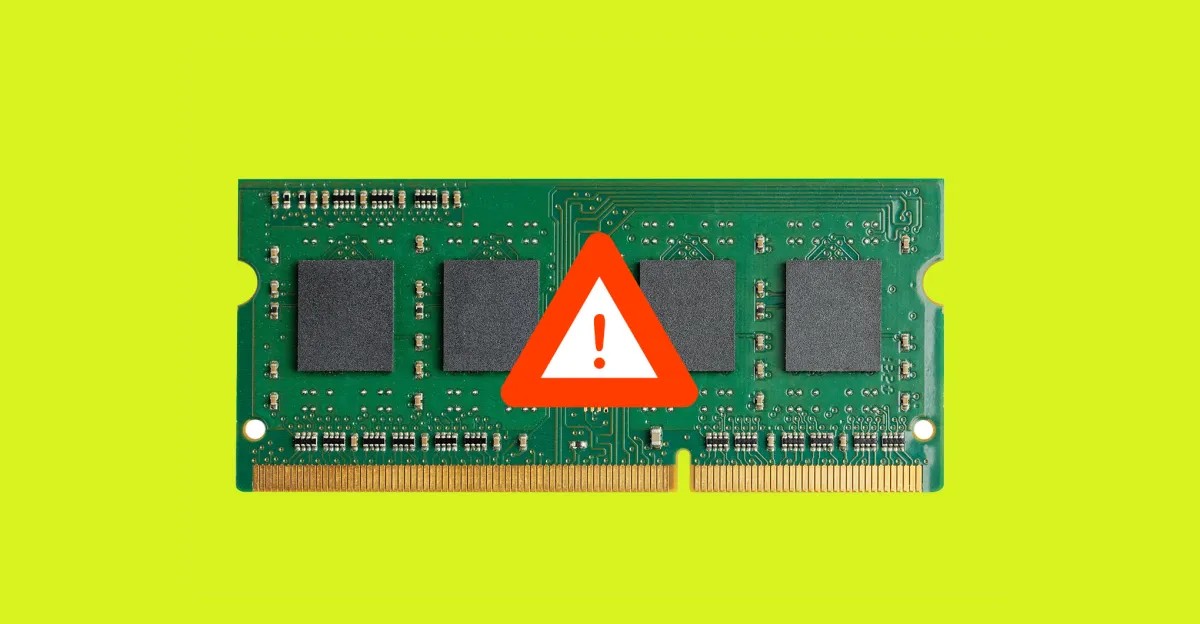
The global technology market is facing a significant supply-demand imbalance that could impact consumer electronics for years to come. Despite efforts by industry leaders to expand production, a growing gap between the availability of memory chips and the skyrocketing demand for them is creating a prolonged shortage of Random Access Memory (RAM).
The Growing Supply Gap
While the world’s leading memory manufacturers—Samsung, SK Hynix, and Micron —are actively working to increase their production capacity, the timeline for relief is much further away than many consumers might hope.
According to reports from Nikkei Asia, even with increased production, suppliers are only projected to meet roughly 60 percent of global demand by the end of 2027. The situation appears even more critical according to leadership at SK Group, where the chairman has suggested that shortages could persist as late as 2030.
The primary bottleneck is the time required to build and activate new fabrication plants (fabs). Most new capacity is not expected to be operational until 2027 or 2028. While SK Group opened a new facility in Cheongju this past February, it stands as the only significant production increase among the “big three” scheduled for 2026.
The Math Behind the Shortage
To stabilize the market, production needs to grow at a specific pace to outrun demand. However, current industry projections suggest a shortfall in growth:
- Required Growth: To meet demand, production must increase by approximately 12% annually during 2026 and 2027.
- Projected Growth: Counterpoint Research indicates that planned increases are currently sitting at only 7.5%.
This discrepancy highlights a fundamental problem: the industry is not scaling fast enough to keep up with the rapid evolution of computing needs.
The AI Factor: HBM vs. Consumer DRAM
A critical reason for this imbalance lies in what is being manufactured. The industry is currently undergoing a massive structural shift toward High-Bandwidth Memory (HBM).
HBM is a specialized, high-performance type of memory essential for powering AI data centers. Because HBM commands much higher profit margins and is vital for the current Artificial Intelligence boom, manufacturers are prioritizing its production over “general-purpose” DRAM.
This prioritization creates a “trickle-


