Social media has not only changed the way we talk; The way we communicate is changing. Facebook, the colossal giant of connectivity, remains at the center of this digital ecosystem. It connects people from all continents. Find old friends or make new ones with just a few taps. But there’s a problem. The sheer number of interactions can be overwhelming.
Friend requests are the currency of this network. They expand your circle. They open doors. But it can also be easy to get lost in the noise. Maybe you sent a request but forgot about it. Or maybe you sent three in a hurry but can’t remember who you sent them to. Reviewing submitted requests isn’t just for the organization. It’s all about clarity. Facebook offers an easy way to see exactly what you have sent out. No more guessing games.
Check the requests you sent on Facebook
Most users pay close attention to their inbox. They are waiting for the green “Agree” button. But what about what you sent? Ignoring a sent request can make subsequent actions difficult or result in a connection being lost. Knowing how to view them can help you keep your social graph clean. It helps you understand who is really looking back at you.
This is an easy way to find sent requests.
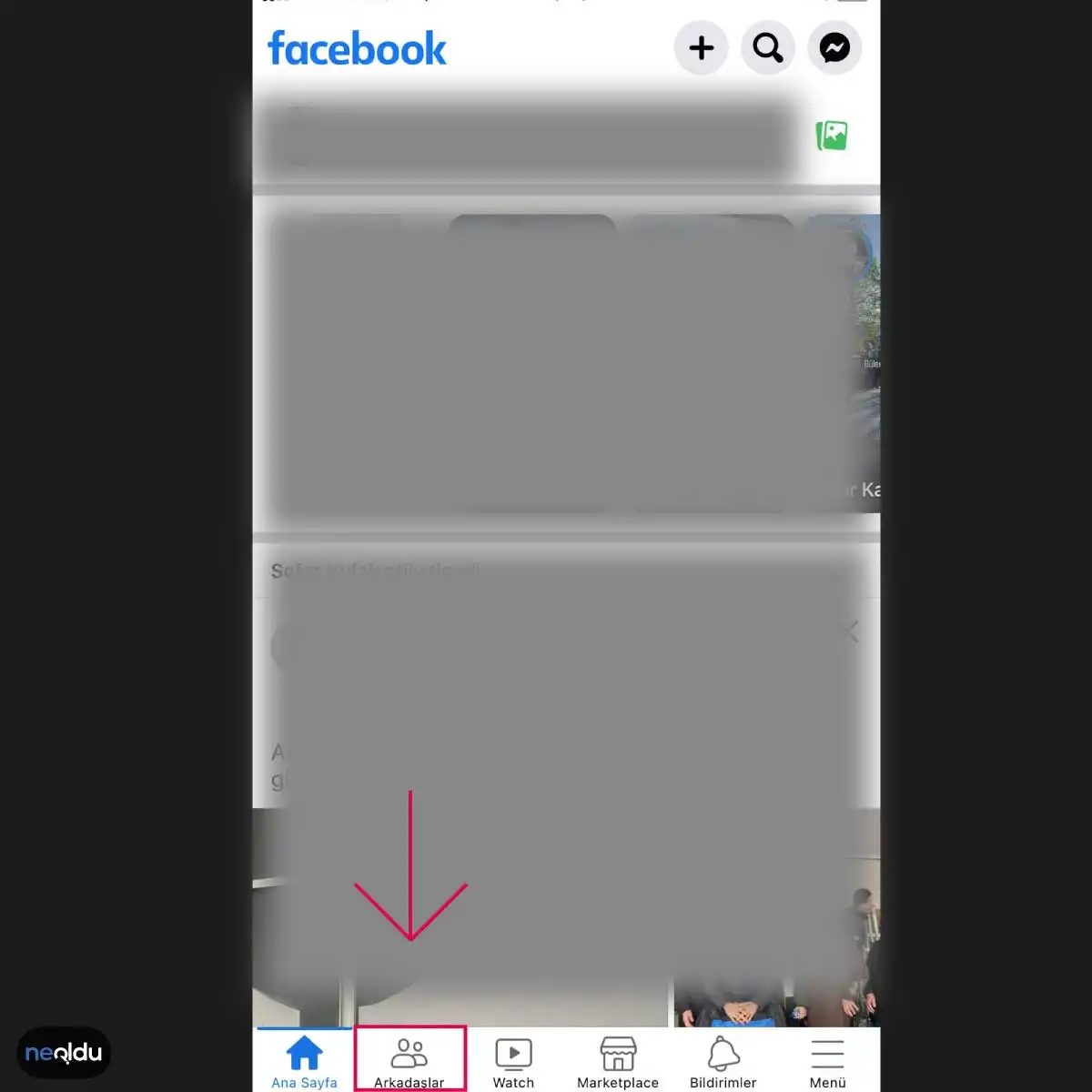
Go to the “Friends” tab
The process starts with the main feed. You must enter the correct menu.
- **Open the app or website. ** Make sure you are logged in.
- **Look for the “Friends” icon. ** In desktop versions, this icon is usually located in the left sidebar. On a mobile device, depending on the version of the update, it usually appears in the menu (3 lines) or directly at the bottom.
- Tap the icon. ** This will take you to the Friends Center.
This step is standard for most devices. If you are using a newer version of the app, the layout may differ slightly, but the Main Navigation will remain consistent. The goal is to leave the news feed and enter the management area of your social connections.
Search for a specific Sent section
When you visit the Friends Center, you will see a list of options. You’ll see friends, friend suggestions, and people you might know. You need to look closer.
Scroll down or find the “Send Request ” tab.
- On the desktop: Click Sent Requests from the list on the left.
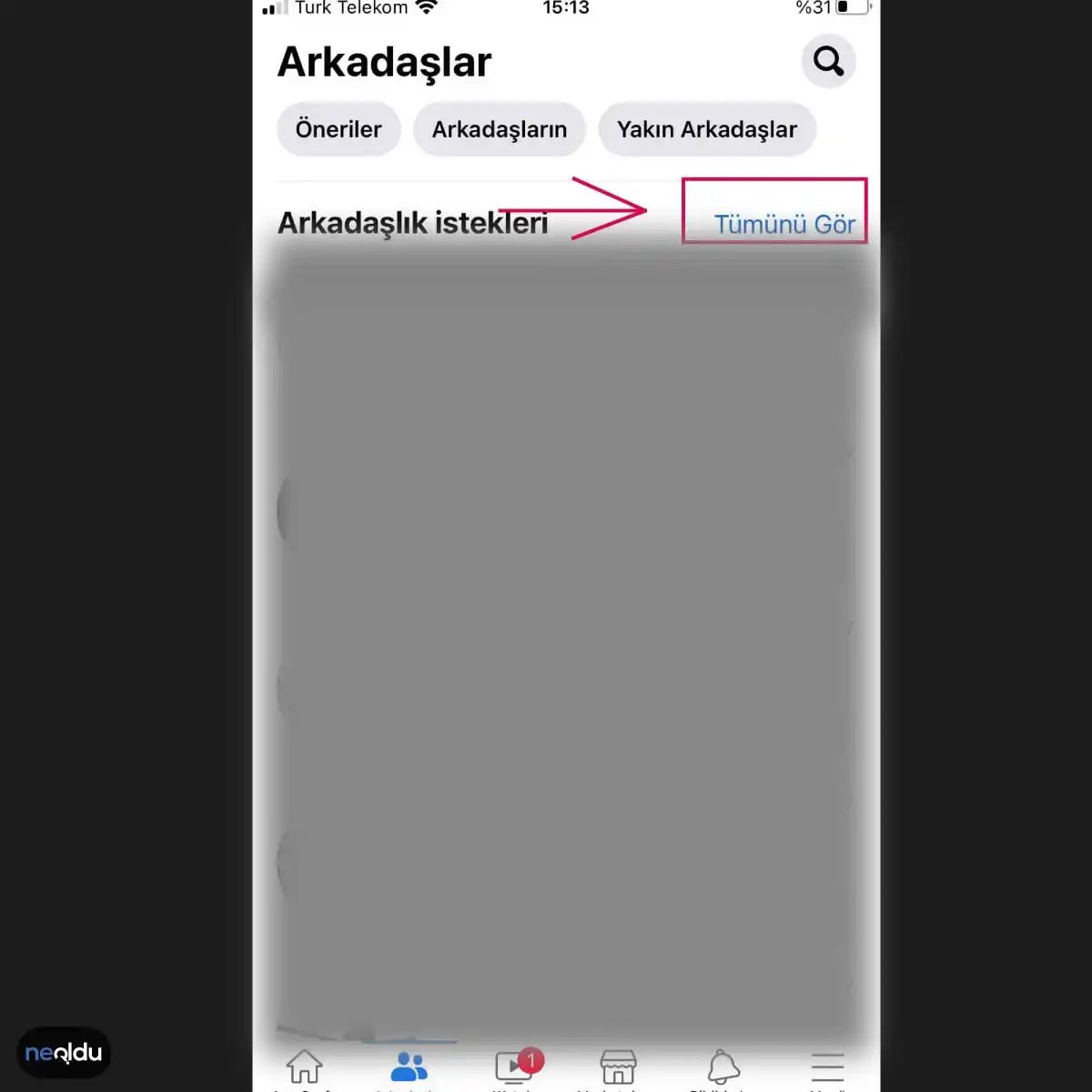
- On mobile: Tap on “See All” below your friends list and look for Sent at the top of the screen.
This part is often overlooked. This is buried under the more popular “Accepted” list. But it holds the power. Here you can see every single request you have initiated.
Why this matters for your digital footprint
Why bother checking?
- **Recall who you added. ** Did you send this request to a former colleague? Classmate? Random connections from groups?
- ** Cancel if necessary. ** You may have sent your request by mistake. Or you may find that you no longer want to be in contact with them. Facebook allows you to cancel these requests directly from this list.
- ** Track response rate. ** If your request has been pending for several months, it likely will never be accepted. Knowing this will help you move forward.
1. “Friend” entry point
OpenFacebook. It’s immediate. Then click the “Friends” button at the bottom. It feels quite ordinary and almost invisible. But for anyone who wants to check their social graph, the real navigation starts here.
2. Open the entire list
When you open the Friends tab, look in the upper right corner. You have to click “Show All”.
Why is this important? Because the default view is curated. Here’s an overview. It hides the depth of your connections. Click Show All to exit the dashboard and view the raw data. The actual list will appear.
3. 3-point menu
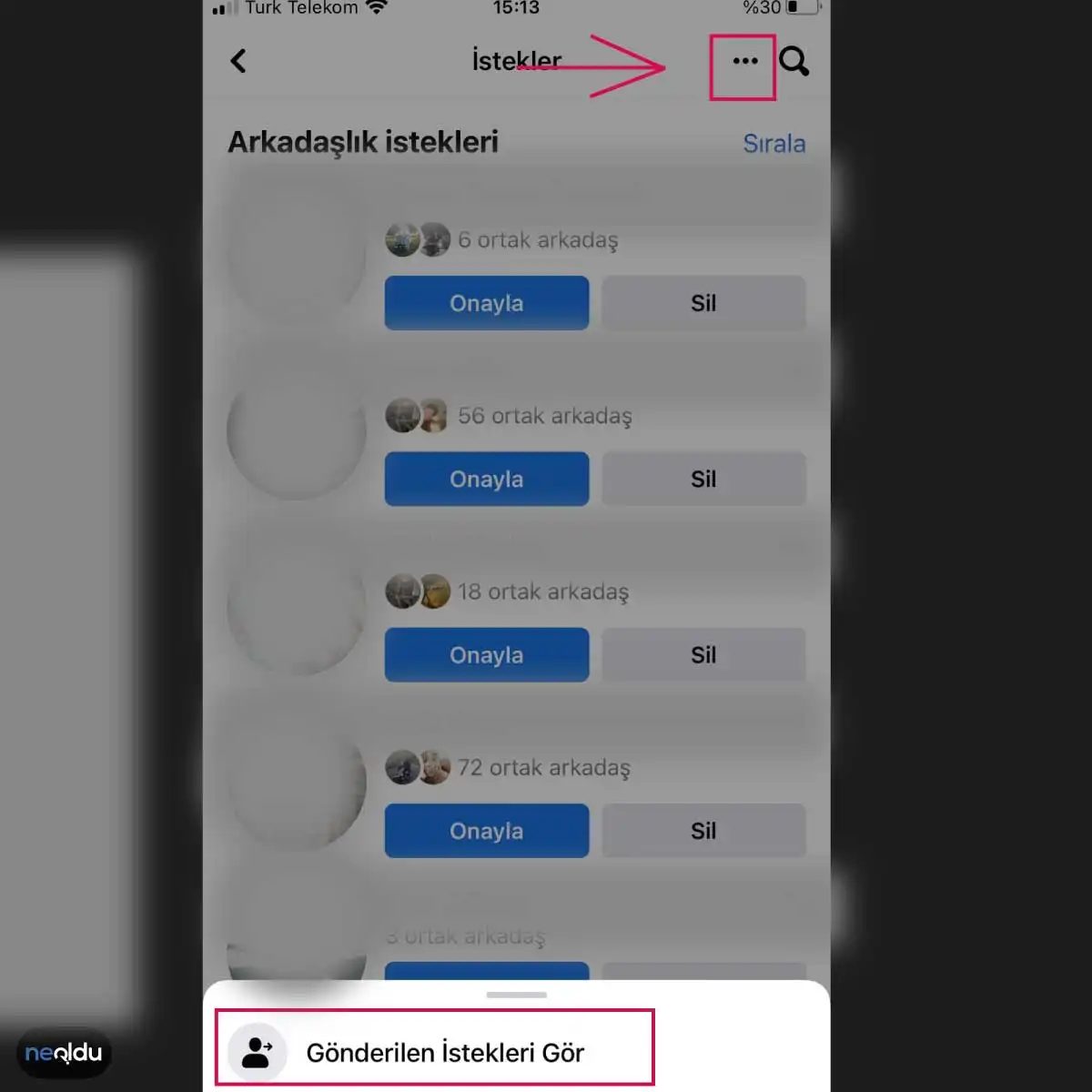
From there, click on the three dots. This is more than just a settings gear. This is the control center. Stop being a passive user now and start managing your network infrastructure.
Other Ways to See Sent Friend Requests
How to See Friend Requests Sent on Facebook
The quickest way to check sent friend requests on Facebook is to click on the three dots icon in the upper right corner of the interface. When you open this menu, you can go to the “Friend Requests” option and list all the requests you have previously sent. This feature is especially useful when you don’t remember who you are after sending a friend request to a lot of people.
However, sometimes the menu structure may change or users may not be able to follow this path. Here are alternative ways to access sent friend requests:
See Submitted Requests in Web Version
If you are logged into Facebook from a computer, you can see your requests by following these steps:
- Click on the Three Dots Icon: Click on the three dots next to the profile icon in the upper right corner of the page.
- Select Friend Requests: Click “Friend Requests” in the menu that opens.
- Switch to the Sent Tab: Click on the “Sent” tab on the page that appears to view the requests you have previously sent.
This method offers a clearer interface compared to situations where menus are dense in the mobile application. Especially on large screens, operations are completed faster and without errors.
Seeing Requests Sent on the Mobile App
If you’re using Facebook on your phone, the steps are similar but the interface is a little more simplified:
- Open Menu: Tap the three lines or profile icon in the top right.
- Go to Sent Requests: Go to the “Friend Requests” section.
- Select the Sent Tab: View your requests by clicking on the “Sent” tab in the list.
If you cannot find this menu, sometimes the options can be hidden due to Facebook’s interface updates. In this case, you can try the alternative methods that I will explain below.
Filtering Friend Requests by Number of People Sent
Once you see your friend requests, you can use the following filters to better analyze who you’re sending requests to:
- Recent Posts: Use the “Last” filter to see your most recently sent requests.
- Alphabetical Sorting: You can find a specific person faster by sorting by names.
- Filter by Number: How many people
Facebook is a huge network that brings together billions of people. Here you don’t just message, you establish social connections. But one question is often asked: How do you know if someone else has withdrawn your friend request or is just waiting?
Actually it’s simple. However, the interface can sometimes seem mysterious. Here are ways to keep track of your cravings.
Checking requests from the web browser
If you’re at your desk, the process is almost automatic. When you log in to your Facebook account, look at the menu in the upper left corner. There’s a bell icon there. Your notifications fall here. But it’s not just ringing. You will see another friendship icon next to the bell. Usually with a red number.
This number doesn’t lie. Shows how many new requests you’ve received.
You can also click on the icons in the upper right corner on the home page. In the menu that opens, select “Friend Requests.” Your incoming notifications are listed there. You can view and accept or reject requests with a single click.
A more direct way is through your profile page. Go to your profile. Click on the “My Friends” section. In the window that opens, there is a “Friend Requests” tab. This is the center where your sent and incoming requests are collected.
“I sent my friend request, but I don’t get a response. I wonder if it was rejected?” The answer to the question is simple: If the request is not on the list and ‘My Friend’ is not written on your profile, it was either rejected or you did not send it.
Access via mobile application
Access from your phone is more practical. Open the application. Tap the three lines (hamburger menu) icon in the upper right corner. Menus open. Find “Friend Requests.” Click. All requests listed are on the screen.
What about the requests you send? These parts are often confused. Incoming requests and sent requests may be in different tabs. Sometimes the “Sent” tab may remain hidden on mobile. Sometimes it’s clearer to go into detail from the “Friends” tab on your profile.
In terms of user experience, these features cover the basic needs. But if the interface changes, it may take some time to find it. Still, the logic is the same. Menu -> Notifications/Profile -> Requests.
There is one point that most users overlook. After sending the request, you can visit the sender’s profile. If the “Friend” button is gray and says “Friendship Requested” or “Requesting”, the situation is clear. If rejected, this button disappears.
Technology is changing fast. Facebook is also changing. But the basic functions remain the same. Requesting, accepting or waiting for a connection… You are a part of this cycle. next name
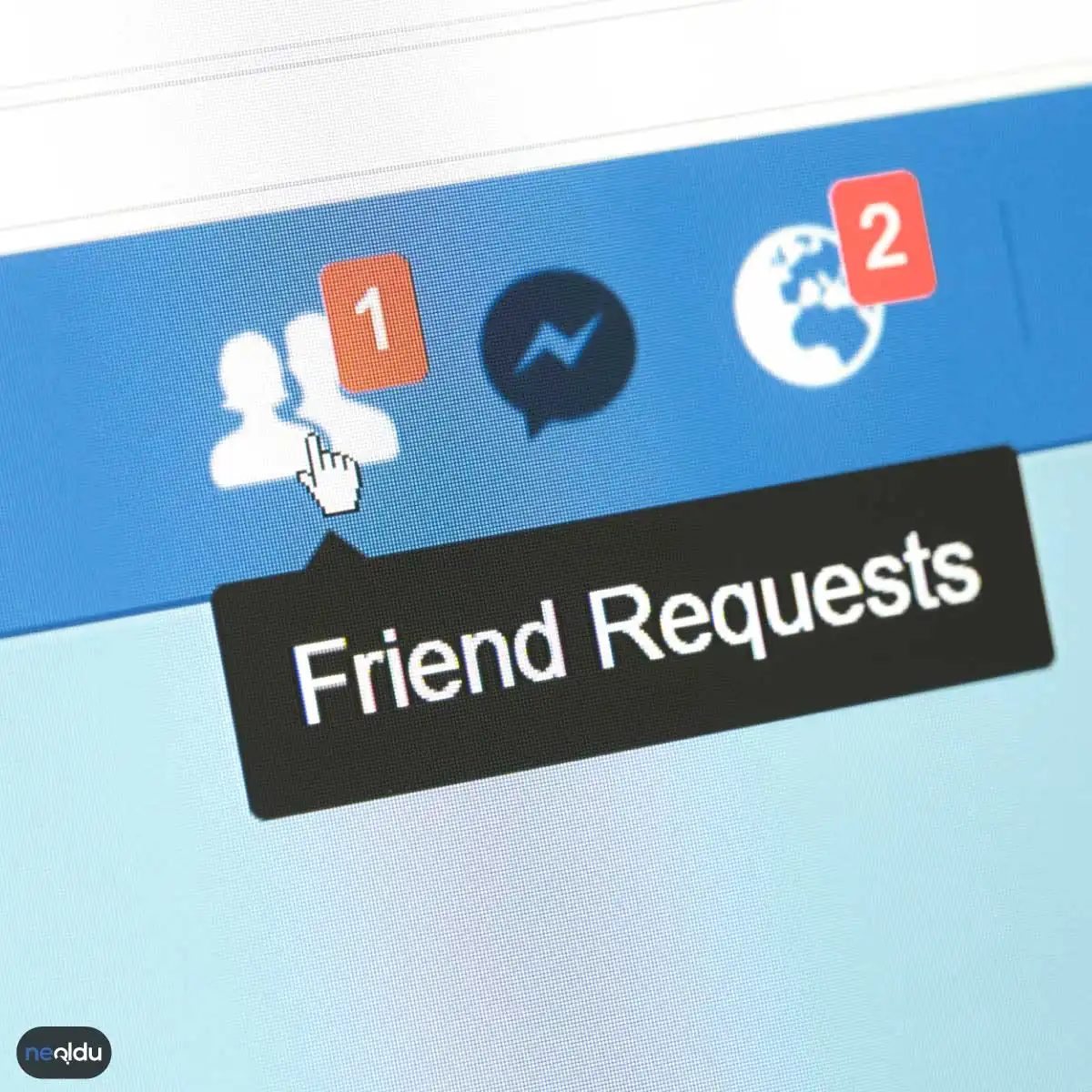
The most basic way to connect on social networks is still friend requests. The Facebook mobile app simplifies this process. However, sometimes your requests are not accepted. For those wondering why, the road map is below.
Two main entry points in the mobile interface
There are two different doors to view requests within the application. One of these is your home screen. A “Friend Requests” icon appears next to your notifications. You can see the list that appears as soon as you click. Direct. Fast.
The other way is through the menu. Go to the “My Friends” section. Select “Friend Requests” from the tab at the top of the screen. This method is more comprehensive. It shows not only pending requests, but also records you’ve accepted or rejected in the past. Ideal for those who want to secure their business.
Acceptance or rejection is irreversible
You’ve seen the list. Now is the time to decide. Accept? Reject?
If you want to go to your profile and interact, accept. Whether you added the wrong person or you just don’t want to connect, hit the “Decline” button. Attention. This process is permanent. It cannot be undone. He asked for something, you refused, then you regretted it. Any chance of sending it again? Yes. But it doesn’t come automatically. If the person sends you a request again, you can see it again. Otherwise, the list will be deleted with that request.
What Happens If Sent Friend Requests Are Not Accepted?
Most users get stuck here. You are sending a request. The other party does not see it. Or he sees it and ignores it. So what exactly happens?
1. The other party ignores the request
Sometimes people don’t turn on notifications. Or the notification comes but it doesn’t interest them. The request is waiting there. What happens if it is not accepted? Nothing. The desire stops there. Indefinite.
2. The other party rejects the request
If the user presses “Decline”, the request will be canceled. It is deleted from the list. But what if the person you want has already added you? Then you switch to “Friend” status. Desire becomes unnecessary. The system manages this automatically.
3. Account status or privacy settings
Sometimes the problem is not on the other side. If the other party’s account status is corrupt. Or if the privacy settings are “Only your friends can see your friends”. It may not be possible to send a new request. In this case, the desire never reaches the level of “invisibility”. The sending operation fails.
**4. Facebook algorithm and

Sending a friend request is simple. You press a button and it sends a request. Being accepted is entirely at the discretion of the other party. So, what exactly happens in the system when “Decline” is typed on that button or the request is ignored? People often want to think that rejection isn’t a digital humiliation but rather a technical limitation. The reality is a little harsher.
Here are the changes that occur in your account and the other party when your friend request is rejected.
Access Rights and Profile Privacy
When a user rejects your request, what it actually means is: “I’m not letting you into my world.” While this may seem like a simple decision, it automatically closes many doors through Facebook’s privacy settings.
The biggest area of interaction is profile access. The rejected person loses direct access to your profile. Simply put; cannot visit your profile, look at the photos you share or review your posts.
A rejected friend request restricts the relationship between people and only affects interactions via Facebook.
If a former contact declines, the situation is a little more complicated. The old bond is completely broken. This person is now:
* Stops seeing your posts in the main feed.
* Cannot see your activities.
* He/she cannot like your posts.
* Loses the right to comment.
This works like a “not in plain sight” guarantee in the digital world. The other party can no longer easily follow your digital footprint.
Ties Remaining in Common Activities
But a rejected friend request doesn’t cut off all avenues of interaction on Facebook. Social media is a network, not a single cable. You may be disconnected, but you are in the same environment.
How?
* Groups: If you are a member of the same group, you can see each other’s posts in that group.
* Pages: You can make an indirect impression through the same pages you like.
* Events: If you attend the same event, you may appear among other participants on the event page.
At this point, even if personal profile access is cut off, an indirect visuality continues through common interests.
Messaging: Closed or Opened?
One of the most frequently asked questions is the messaging status. Even if the friend request is rejected, your previous chats will not be deleted. However, your right to write a new message may change.
This depends on the privacy preferences of the other party.

Steps to Cancel Sent Friend Request
Although managing friend connections seems like a simple process most of the time, knowing what goes where during periods when the interface changes can sometimes make the job a little difficult. If you want to withdraw a Facebook friend request, you first need to go to your own profile page.
After logging in to your profile, click on the “Friends” tab. In this list you will see the title “Friend request sent”. This is it right here. Just press “Cancel Request” under that heading. That’s it. The request is withdrawn and the other party may or may not notice it. This is a matter of social norms, not a technical restriction.
What is a Friend Request and Why is it Important?
Facebook is a huge network with billions of users. In this network, “being a friend” is not just a label, it’s a digital access key. When someone sends you a request, they’re not actually saying, “I want to follow me, see your posts, and communicate with you.” It opens a more specific door.
This request is a protocol that is realized with the acceptance of the other party. Why do people use this? Family members, co-workers, former classmates… the list goes on. Essentially, it’s your way of marking who you want to connect with in the digital world. Even when Meta acquired this platform, the basic social dynamics did not change. It’s just that the data behind the scenes has become more complex.
What Happens If the Request Is Denied?
This is the most disturbing part. If your friend request is rejected or the other party ignores and deletes you from their list, Facebook won’t show you a big “error code.” It remains silent.
The only option? You either accept it or you stop. There is no other “resend” button. Go to that person’s profile page and send the request again… if the profile permissions allow it. But remember, rejection is often a limit. Trying to exceed the limit is against the digital label.
Request Still “Pending” But Button Missing
This is one of the most frequently asked questions and one that creates the most confusion among users. The person is still in the “Sent Requests” section in your request panel. But when you go to his profile, the “Friends” button is not visible or has not changed. What’s happening?
Chances are that person didn’t accept or rejected your request, but the system has a fallback delay. Or worse, that person locked their profile with privacy settings. If there is no “Friends” button on your profile, you are either already friends or your outside access is restricted. At work