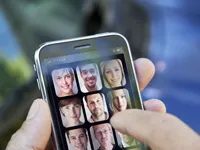
Socialization used to be shaped by next-door neighbors, peer pressure, and face-to-face interaction. Today, we are trapped behind the screens. The rise of social networks has shaken this concept to its core. Being on the streets is no longer enough to gain social acceptance. Existence in the digital space is a must. The traditional “social person” ideal has been replaced by the desire to be a “phenomenon”. In this article, we examine the transformation of socialization and today’s digital interaction dynamics.
What is Socialization and Why Has It Changed?
Socialization is the process of an individual becoming a social being by internalizing the norms, values and behavioral patterns of the society. The classic definition is simple. As a child grows up, he leaves his family and learns the rules at school and in the neighborhood. Thanks to this process, he integrates with society. But today things are different.
Traditional socialization was based on physical proximity. Interaction was limited. Now the speed of the internet has changed everything. Social media platforms have created a new “society” space. The rules are unclear in this area. Rewards come much faster. Number of likes and number of followers have become new currencies.
Why is it speeding up so much? Because there is a crowd in the digital space. Attention is the scarcest resource. Individuals display their presence on digital platforms to attract this attention. Instead of respect in traditional communities, “being a phenomenon” has become a popular status in the digital space.
Phenomenality: New Social Status
The term “phenomenon” actually refers to individuals who appear on social networks and are followed and recognized by large masses in a short time. This situation disrupts the role model acquisition mechanism among traditional socialization processes. In the past, teachers, local leaders or family elders were role models; Today, influencers and viral content producers come to the fore.
Why is this change important? Because the young generation experiences the socialization process through these new dynamics. Who is followed and respected is shaped by digital perception. Real life skills may not be as valuable as digital assets.
Shadow Faces of Digital Socialization
Of course, this change is not entirely negative. Ease of access, speed of access to information and the opportunity to establish global connections have increased. But it has a price. Superficial interactions deepened. Real bonds are replaced by “follower” relationships
Digital socialization: The impact of online interaction on social norms
Socialization in the traditional sense was the process of an individual interacting face to face with other individuals in society, developing social skills and exhibiting behaviors in accordance with social norms. The individual’s self-expression in society, establishing relationships and learning social roles were shaped by these interactions. However, with the rise of the digital age, these dynamics have undergone a radical change.
The impact of online interactions on socialization
Digital platforms have completely changed the way individuals interact socially. Socializing is no longer limited to face-to-face communication; It also happens in the virtual world. This change brings some new obligations in terms of the development of social skills and the adoption of social norms.
How do social skills develop in the virtual environment?
Social skills in online interactions are shaped on a different basis compared to face-to-face communication. The way they interact on digital platforms directly affects how individuals perceive and apply social norms. Different formats such as texting, video calling or social media interactions have become new tools for developing social skills.
Reflections of social norms in the digital world
Digital platforms are playing a new role in the adoption of social norms. In online interactions, individuals may have to exhibit the behaviors expected by society in the digital environment. However, the reflection of these norms in the digital world may be more flexible and sometimes uncertain than in face-to-face communication.
Social impacts of digital socialization
Digital socialization plays an important role in helping individuals learn social roles. The ways they interact in the virtual world influence how individuals perceive and perform social roles. This situation directly affects individuals’ adoption and implementation of social norms.

While technology progresses without slowing down, the concept of socialization has moved to a completely different dimension with the widespread use of communication tools. Those face-to-face interactions that used to require full face-to-face interaction now also take place behind screens. People connect with each other through social media platforms, messaging apps, online communities and various digital tools.
New communication norms on digital platforms
This change radically changed the structure of social relations. Nowadays, friendships, professional networks and even family ties are formed in the digital environment. While users can communicate within seconds via instant messaging applications; Thanks to social media sites, it can interact with a global audience at the same time.
Online communities, on the other hand, serve as a new “neighborhood” for individuals who come together based on their interests. Thousands of people who share the same hobby can be together without any geographical restrictions. While this has the potential to reduce feelings of loneliness, it also creates new kinds of social pressures and expectations.
How has the nature of interaction changed?
In traditional socialization, body language, intonation and environment were part of the physical presence. In the digital world, these elements either disappear completely or are symbolized with emojis, gifs and short texts. This situation can increase uncertainty in communication. The intention behind a message sometimes leads to misunderstandings.
However, this new model provides great advantages in terms of accessibility. Digital tools come into play to overcome physical barriers, time differences or social concerns. People have the chance to build and express their own identities in an environment where they feel more comfortable.
Future and human relations
The effects of this transformation are still taking shape. Are the gaps created by the lack of face-to-face communication being filled, or are the long-term effects of digital interactions on human psychology more dominant? There are many question marks.
Technology is just a tool. How it is used determines the depth and quality of relationships. Those first “Hello”s passing through the screens still carry the same excitement. Maybe just in a different format.

Socializing is no longer confined to a physical location. The digital environment functions like a new street. People create their profiles and build their personal identities. He infiltrates interest-based groups and meets like-minded people. These platforms are carriers not only of information exchange but also of the rhythm of daily life.
Instant messaging speed has changed communication expectations. Photo and video sharing visualizes situations where words are not enough. Geographic distances have become meaningless. Even though they are far away, social ties are strengthened through digital channels. This situation radically transforms the social structure and individual relationships.
Most Popular Social Platforms and Features
Understanding which platform appeals to which audience is essential for a digital asset strategy. Each application has a different interaction model.
- Instagram: It is visually oriented. Visual narrative is dominant, with stories, reels and posts. The center of brand and influencer marketing.
- TikTok: The king of short-form video content. It quickly spreads new trends with its algorithmic discovery feature.
- LinkedIn: Professional networking space. Used for job postings, career development and B2B communications.
- X (Twitter): Fast text-based communication. Microblogging platform where current events are echoed instantly.
- Facebook: A wide audience platform that appeals to all age groups. Community management through groups and events.
- WhatsApp / Telegram: Instant messaging focused. Primary tools for encrypted communication and group chats.
Algorithmic Interaction and Content Discovery
Social media is not a passive storage area. An active content filter. Algorithms analyze user behavior and offer personalized flows. Likes, shares, and watch times are data points. This data determines which content will stand out.
Users generally encounter content that is similar to theirs. This situation may increase information pollution. It can lead to alienation from different perspectives. However, with proper use, it also offers an expanding world window. It is possible to follow trends and discover new ideas.
Digital Identity and Online Security
The process of creating a profile is the construction of a digital identity. Every information shared leaves a permanent mark. Privacy settings are key to managing this trace. Users should be careful about what information is shared with whom.

Facebook remains the giant of the social media landscape. It is not just about sharing photos or videos anymore. It is a hub for news, real-time updates, and connecting with old friends. You can build groups around niche interests or run events. For businesses, it offers dedicated pages to manage their brand presence directly. The reach is massive.
Instagram has shifted the focus entirely to visuals. If you want to share high-quality imagery, this is the place. It is less about text and more about the aesthetic. Users post photos and short videos. Stories allow for ephemeral, casual sharing. Engagement happens through likes and comments. It is a visual diary for many users.
Twitter operates on brevity. The 280-character limit forces concise communication. It is ideal for quick thoughts, breaking news, or heated debates. You follow accounts that interest you. The interaction is public and fast-paced. Retweets spread information rapidly across networks. It moves faster than most other platforms.
WhatsApp has replaced SMS for billions of people. It is primarily an instant messaging app. Voice and video calls are built-in and high quality. Group chats allow for community building within personal circles. Encryption is standard. It is private. It is not a broadcasting tool like Facebook or Twitter. It is for people you actually know.
Telegram emphasizes privacy and speed. It offers instant messaging alongside voice and video calls. The key differentiator is file sharing. You can send large files without the compression limits found elsewhere. Channels allow creators to broadcast to unlimited subscribers. It is less about social networking and more about information dissemination and secure communication.
LinkedIn is the professional arena. It is for career development and business networking. Users showcase their work experience. You connect with colleagues and industry leaders. Job postings are centralized here. It is where you build your professional reputation. Personal life stays out of this feed. It is strictly business-focused.
Twitch is dominated by live streaming. Originally for gamers, it has expanded. Viewers watch live gameplay, chat in real-time, and interact directly with streamers. Donations support the creators. It is a communal experience. The chat moves quickly. You are not just watching; you are participating in the stream.
Discord started for gamers but evolved. It is a hub for communities. Servers are organized into text and voice channels. You can create a specific space for a game, a project, or a hobby. It replaces scattered group chats. The interface is functional and chat-centric. It is where online communities live and breathe.
Digital Communication Advantages
The shift to these platforms changes how we interact. It is faster. It is more accessible. Information travels instantly across the globe.
- Speed : Messages and content are delivered in seconds.
- Reach : A post can be seen by millions.
- Connectivity : Distance is irrelevant. Voice and video bridge gaps.
- Community : Niche interests find their people easily.
But it is not all efficient. The volume of information is overwhelming. Privacy concerns are real. Misinformation spreads as fast as truth. We have gained connection but lost some boundaries. The line between public and private life is thinner now.
We communicate more than ever before. Yet, are we listening? The tools are there. The choice is in how we use them.

The hidden costs of being constantly connected
We talk about the convenience of instant messaging like it’s a given. It’s not. The fact that we can ping someone across the globe before our morning coffee is a radical shift in human behavior. And yes, the reach is insane. A single post can ripple through millions of profiles. Ideas spread. Experiences are shared. Barriers of language and geography dissolve.
But let’s be real about the flip side.
Digital Communication: The Downsides
The same tools that bridge gaps also build walls. The advantage of low communication barriers cuts both ways. Just because you can say anything to anyone doesn’t mean you should. Or that you will say it well.
1. The Illusion of Connection
We are more connected than ever, yet loneliness is at an all-time high. Why? Because digital interaction often replaces depth with breadth. You can have 1,000 followers but no one to call at 2 AM. The quantity of interactions has skyrocketed; the quality has plummeted.
2. Misinterpretation Without Tone
Text strips away nuance. Sarcasm dies in translation. A simple “k.” can feel like a slap in the face when you’re reading it on a cold screen. Without body language or vocal tone, misunderstandings are inevitable. And they’re frequent.
3. The Always-On Trap
Technology promises freedom. Instead, it delivered imprisonment. We are expected to respond instantly. The boundary between work and life has blurred into a gray zone of constant availability. You’re never really off the clock. This leads to burnout. Not the dramatic kind. The quiet, slow-burn kind.
4. Echo Chambers and Polarization
Algorithms don’t show you what’s true. They show you what keeps you clicking. That means you’re fed content that confirms your existing beliefs. Dissenting opinions? Buried. Or worse, ignored. We’re not just talking to each other anymore. We’re shouting at curated versions of people who look like us.
5. The Attention Economy
Your attention is the product. Platforms are designed to fragment your focus. Notifications pull you out of deep work. Scrolling replaces thinking. The result? A population that struggles with sustained concentration. We’re skimming the surface of everything and understanding nothing.
Where does this leave us?
The technology isn’t going away. It’s only getting faster. The question isn’t whether we use it. It’s how much of ourselves we’re willing to surrender to it.
You can mute notifications. You can delete apps. You can choose to have difficult conversations in person.
Or you can keep scrolling.

The Hidden Costs of Digital Connection
We talk a lot about how digital communication expands our horizons. It’s true that the internet and social platforms let us connect with people across different geographies. We share information. We build new relationships. Barriers to entry for communication have largely dissolved.
But there’s a shadow side. A cheap, surface-level veneer that often covers genuine human interaction.
Superficiality is the first casualty.
Virtual communication simply doesn’t carry the same weight as face-to-face encounters. The depth is missing. The authenticity feels diluted. You’re talking to a profile, not a person. This isn’t just an emotional inconvenience; it’s a structural flaw in how we relate now.
Then there is the privacy nightmare.
It’s not just about hackers. It’s about the normalization of oversharing. On social media platforms, personal data is traded like currency. Privacy breaches aren’t rare anomalies; they are part of the user experience. You share a photo, a location, a feeling. And suddenly, that data is out of your control.
Misinformation adds another layer of risk.
False information spreads faster than facts. In the digital sphere, a lie can travel around the world before the truth has put its boots on. This isn’t just about “fake news” in the political sense. It’s about the erosion of trust in what we see and hear.
How Technology Reshaped Socializing
This isn’t a minor tweak to our social habits. It’s a fundamental rewrite.
The shift wasn’t sudden. It was gradual. But looking back, the change is radical.
Before the smartphone era, socializing had boundaries. You went out. You called landlines. You waited. Now, we are perpetually connected. Mobile devices and smart phones mean the social sphere is always open. Always accessible. Always demanding attention.
This constant connectivity has two faces.
On one hand, it allows for instant support. On the other, it creates an environment where presence is optional, even for those right next to you. The ease of interaction has come at the cost of intensity. We trade deep, sustained engagement for breadth and frequency.
The Mechanics of Connection
What actually drives this?
It’s not just the tools. It’s the factors behind them.
Social connections. Cultural norms. Family structures. Education. Environmental influences.
These are the levers. Technology is just the mechanism that amplifies them.
When we ask why socializing has changed, we’re really asking how these factors interact with new digital tools. It’s a complex feedback loop. Culture shapes how we use technology. Technology reshapes how we perceive culture.
Why Social Bonds Still Matter
Despite the digital noise, human connection remains non-negotiable.
Why?
Because we are wired for it.
Social connections provide more than just company. They offer support. They buffer against stress. They contribute to life satisfaction.
Healthy relationships boost life quality. They aren’t a luxury. They’re a biological and psychological necessity.
Digital tools can facilitate these bonds. But they cannot replace the core need for meaningful interaction. A notification is not a hug. A comment is not a conversation.
We are more connected than ever. Yet, the question remains: are we truly reaching each other?
Or are we just broadcasting into the void, hoping someone is listening?