They made an exception.
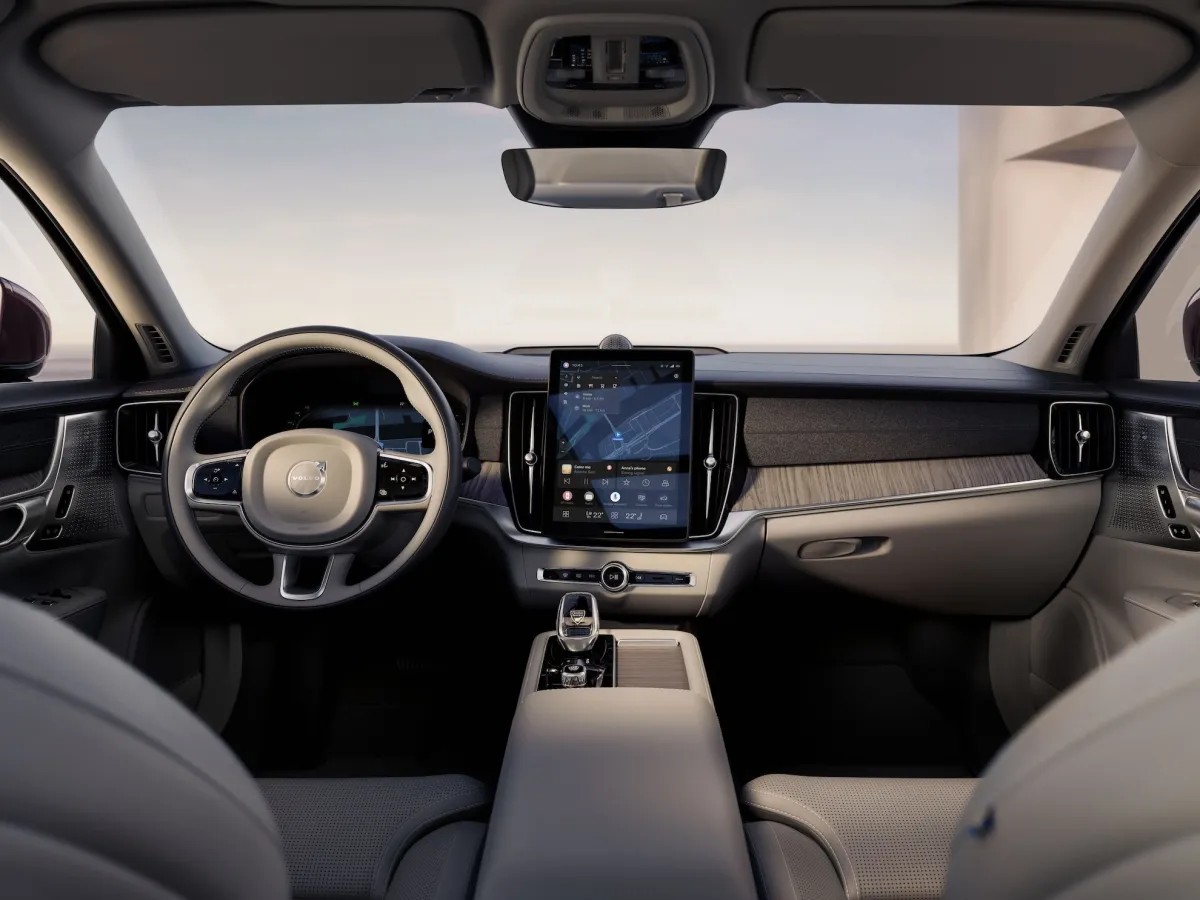
The Trump administration handed Volvo Cars a reprieve from the US crackdown on Chinese-linked vehicle technology. The Swedish brand, majority-owned by Geely Holding in China, announced Tuesday that the Department of Commerce granted them specific authorization. They can keep importing and selling cars with connected software on American soil. Connected tech covers everything. Phone sync. Basic automation features. It’s the brain of the car, mostly.
This wasn’t supposed to happen.
The ban itself is leftover architecture from the Biden administration, finalized in January 2026. Wait. January 2025. Yes. The rules block vehicles equipped with software or hardware developed by Chinese entities. National security panic drives this kind of legislation. It always does. The phase-in starts with 2027 models. Hardware gets a slightly longer runway. Imports with banned connected hardware face the hammer in 2030.
Volvo would have been collateral damage.
Most of their cars come out of Sweden. But their ties to Geely? Deep. Their manufacturing in China? Extensive. Under the letter of the law, they were toast. Or so everyone thought.
Volvo says “constructive discussions” with US officials saved them. Governance. Technology. Data security. They talked it through. Now the automaker claims it can press ahead with US expansion plans.
Which means more factories. Or rather. One bigger factory.
In September 2025, they announced the XC60 and a new hybrid would join the South Carolina assembly line. Just this past March? The Polestar 3 moves entirely to US production. An EV from sister brand Polestar. Previously made in Chengdu. Now, apparently, safe from the ban thanks to the Volvo loophole.
It raises questions about what we’re actually banning.
The rule’s name is mouthful. “Securing the Information and Communications Technology… Yeah. You get the gist. It obsesses over the threat of automated driving systems owned by companies with Chinese DNA.
The regulations go further than hardware. Chinese companies can’t test autonomous vehicles in the US either. Right now, the likes of Baidu’s Apollo, Pony.ai, and WeWride hold permits in California. They have human drivers in the seat, sure, but they’re testing. Valid. For now.
Will the state revoke those permits? TechCrunch is asking the DMV. Waiting for an answer.
The landscape is shifting fast. One company gets a pass. The rules loom over everyone else. Who’s next?
The game has changed.