You want to know what electronics actually move the needle? Start with e-readers. Amazon’s Kindle ecosystem has held the crown for years, but the real story lies in the hardware that got people into the habit.
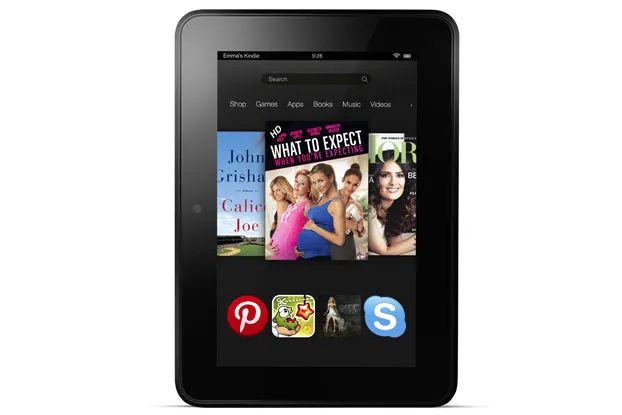
Take the Kindle Fire. It wasn’t an e-ink device. It was a full-color tablet. And it crushed the market because of one specific metric: price.
Costing less than $200, it wasn’t just affordable. It was accessible.
This wasn’t about high-end specs. It was about stripping away the noise. You got color. You got Amazon’s content library. You paid a fraction of what competitors charged. For the average user, that price point changed everything. It turned a niche gadget into a household staple.
The strategy was simple. Lower the barrier to entry. Force the hardware discussion away from megapixels and processors and toward value.
Did other tablets try to copy this? Sure. But they lacked the integrated ecosystem. The Kindle Fire offered a walled garden that just worked. For many buyers, that simplicity was worth more than raw power.
This model proved that you don’t need to be the best to be the most popular. You just need to be the right price for the right moment. The rest is just noise.
What happens when that price goes up? Or when competitors finally catch up on the ecosystem side? The race is never really over. It just changes shape.

The Paperwhite: Why It Sticks Around
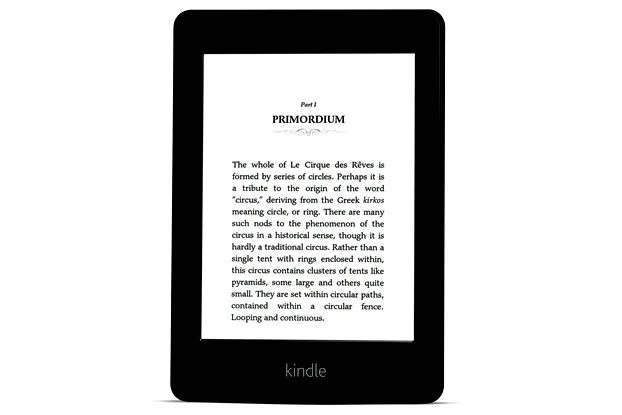
It’s been over a decade since the original Kindle Paperwhite dropped in 2012, yet it remains one of Amazon’s top-selling e-readers. That isn’t an accident. It’s because the Kindle Paperwhite hit a sweet spot that most competitors still haven’t matched.
The device features a touchscreen paired with a built-in front light. This isn’t just a gimmick. It allows you to read in total darkness without straining your eyes. The screen is high-resolution, which makes text crisp. No blurring. No grain. It feels like reading actual paper.
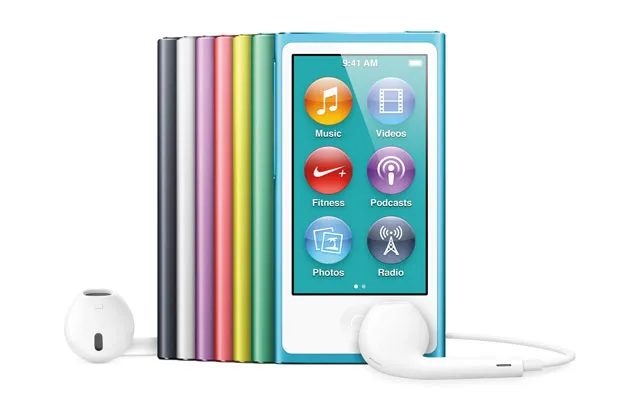
For those who want something smaller, Apple still relies on the iPod nano for digital music. It’s a favorite among casual listeners who don’t want a bulky phone in their pocket. The nano sports a multi-touch display. You swipe to change songs. Tap to pause.
It plays downloaded music. It also handles videos. You can even tune into the radio. It’s a compact all-in-one media player. A rarity in today’s smartphone-dominated world.
Which device fits your lifestyle better?
If you read often, the Paperwhite is the logical choice. The screen is easy on the eyes. The battery lasts weeks. You can carry hundreds of books without the weight.
If you listen to music on the go, the iPod nano works well. It’s small. Lightweight. You can clip it to your shirt or tuck it in your pocket. The multi-touch interface is intuitive. No buttons to fumble with.
Both devices serve a specific purpose. They don’t try to be everything to everyone. That’s why they sell.
The value of simplicity
Modern tech tends to complicate things. We want phones that do it all. E-readers that connect to Wi-Fi and email. Music players that stream everything.
But sometimes, we just want to read. Or just want to listen.
The Paperwhite does one thing well. The iPod nano does another. They stick around because they’re reliable. They don’t glitch. They don’t need constant updates.
Is there a better device out there? Maybe. But for millions of users, these two remain top sellers. They offer simplicity. They offer function. And in a world of noise, that’s worth something.
Why the iPod Touch Matters in Mobile History
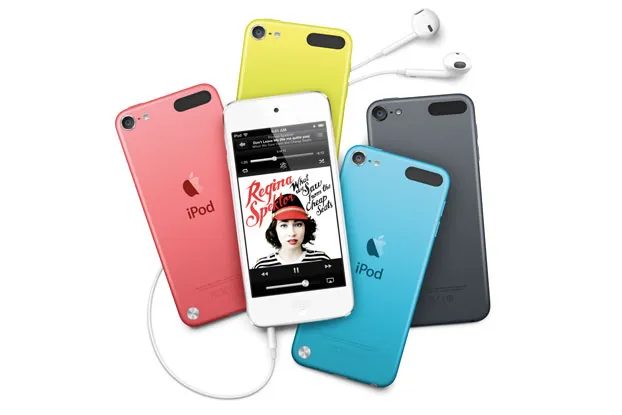
The iPod Touch stands out as one of Apple’s best-selling gadgets because it effectively gave users the full iOS experience without the monthly carrier contract. It had all the bells and whistles of an iPhone. You got the touch interface. Apps. Surprisingly good performance for its time. Some sources even note it included features like Siri integration, though that seems like a historical outlier depending on the specific generation being referenced here. The catch? No phone. You couldn’t make calls. It was pure media and computing on a pocket-sized slab.
This gap in the market was wide open. Not everyone wanted a smartphone. Some people just wanted music. And some wanted a cheap way to get online.
The Budget Alternative: SanDisk Sansa
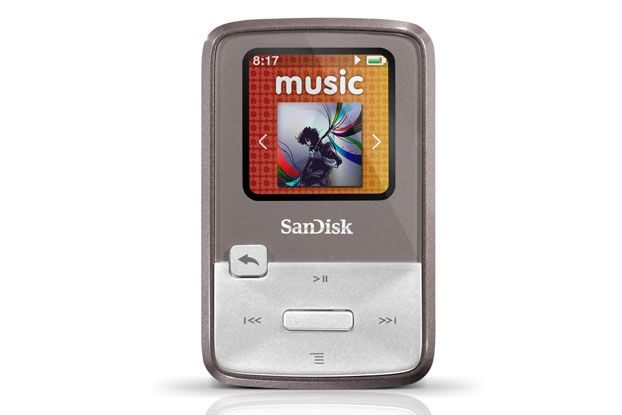
Outside the Apple ecosystem, the SanDisk Sansa MP3 player with the clip offered a different value proposition. It was cheaper. That’s the main draw. The clip made it easy to attach to a shirt or bag, turning it into a wearable device rather than just something you held in your hand.
For users who didn’t need Wi-Fi or app stores, the Sansa was a practical choice. It focused on one thing: playing audio files. It didn’t try to be a computer. It didn’t try to replace your phone. It just played music. And for many, that simplicity was enough.
How These Devices Shaped Consumer Behavior
The existence of these two devices highlights a split in the market. On one side, you had the premium, integrated ecosystem of Apple. On the other, you had specialized, lower-cost hardware. The iPod Touch showed that people were willing to pay for a screen and touch controls, even without cellular connectivity. The Sansa proved there was still a strong demand for dedicated, affordable media players.
This wasn’t just about hardware. It was about how people consumed content. Were they ready to carry a mini-computer everywhere? Or did they just want to listen to their MP3s without breaking the bank? Both answers were valid. Both devices sold well. And both shaped the way we think about portable tech today.
“The iPod Touch offered all the same features of the iPhone… but without the phone feature.”
The line between a dedicated media player and a smartphone blurred quickly after this. But for a brief moment, they were distinct categories. One was a lifestyle statement. The other was a tool. Both had their place.
Now, with everything merged into a single smartphone, it’s easy to forget that this split ever existed. But the legacy of the iPod Touch is the app economy. The legacy of the Sansa is the idea that not everything needs to be connected. Some things can just be.
What happens when the distinction disappears completely? We’re still figuring that out.
The smartphone wars got interesting in 2012.
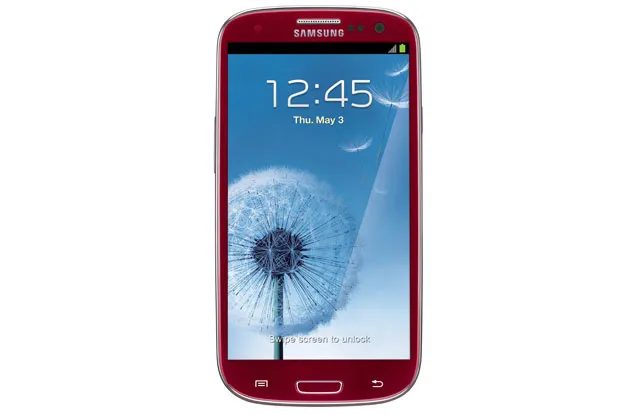
Samsung took the crown. Not just with praise, but with cold, hard sales numbers. The Samsung Galaxy S III secured T3’s Phone of the Year award. It didn’t just win. It out-sold the iPhone 4S.
Apple’s device was still a powerhouse. But in that specific year, the Galaxy S III moved more units. It captured the market share.
The Samsung Galaxy S III won T3’s Phone of the Year in 2012 and had higher sales than the iPhone 4S.
Streaming changed how we consume media.
It wasn’t just about watching. It was about instant access.
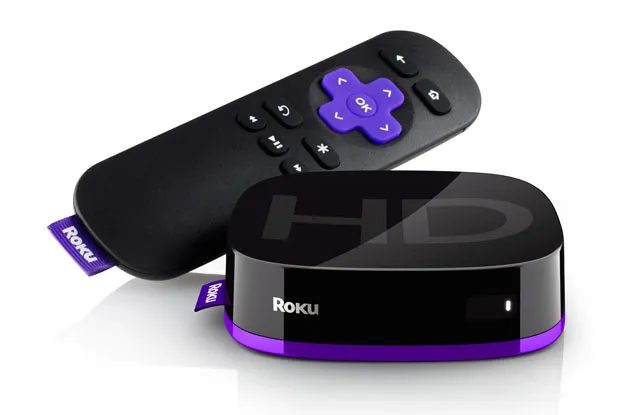
The Ruku HD streaming player entered the home theater space. It hooked directly into a television. One cable. Instant connection.
Once connected, the device opened up a massive library. Hundreds of live TV channels. Thousands of movies.
You didn’t need a cable box. You needed an internet connection.
Services like Netflix became primary sources. Hulu Plus joined the fray. HBO GO provided premium content.
This wasn’t a prototype. This was a consumer-ready device. It shifted the burden from expensive cable subscriptions to app-based streaming.
The hardware was simple. The software did the heavy lifting.
Users could switch between live TV and on-demand movies without changing inputs or waiting for discs to load.
The Galaxy S III proved Android could beat Apple on volume. The Ruku HD proved that set-top boxes could be replaced by small, smart devices.
Both products signaled a shift.
Samsung showed that hardware design and features could drive sales over brand loyalty. Ruku showed that connectivity was becoming the main feature of a TV.
The market was splitting.
Some users stuck with traditional broadcasts. Others jumped to the cloud.
By the end of 2012, the lines were blurring.
The Galaxy S III dominated sales charts. The Ruku HD offered a glimpse of a cable-free future.
Neither was perfect. Both were influential.
What happens when every screen in your house tries to be smart?
The answer is a mess of apps and remote controls. But it’s a convenient mess.
The shift has already happened. We’re just living in it now.
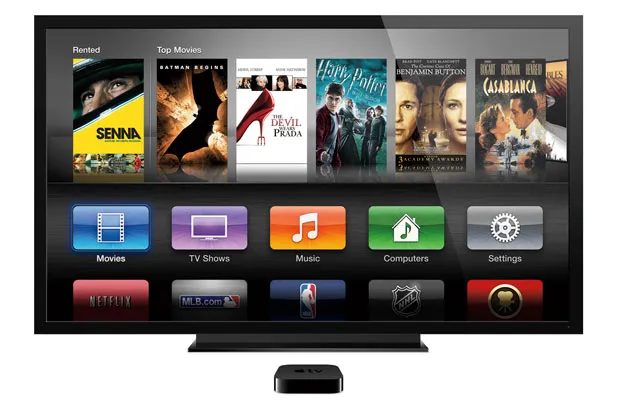
AirPlay and the iTunes Ecosystem
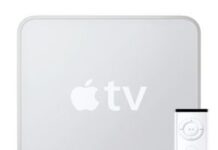
The Apple TV operates in the same high-stakes arena as its competitors, yet it carves out a niche that few others can touch. It isn’t just a streaming box. It is a gateway.
You can pull movies directly from your iTunes library. No ripping. No syncing headaches. Just click and watch. Netflix sits right there too, ready to buffer your next binge. But the real magic—the reason this hardware persists despite the rise of smart TVs—lies in the iOS integration.
AirPlay changes the game.
“It isn’t just a streaming box. It is a gateway.”
With AirPlay, your iPhone or iPad becomes a remote control for the big screen. You aren’t just casting a static image. You are extending your device’s interface to a 65-inch monitor. Watch a YouTube video on your phone, then tap that little rectangle icon and send it to the TV. It just works. No apps needed on the TV side. No configuration.
This matters because most other streaming sticks require you to log into separate accounts or use proprietary protocols that often lag behind the source. Apple’s ecosystem keeps everything in lockstep. The content flows from your pocket to your living room without skipping a beat.
It’s not perfect. The interface can feel cluttered if you have a massive library. The remote is polarizing. But for anyone already in the Apple fold, the friction is nearly zero. You open the app. You select the device. You watch.
Other platforms are catching up. Google Cast has improved. Amazon Fire TV sticks are everywhere. But none of them offer that specific, frictionless handoff between a handheld device and a home theater setup quite like AirPlay does.
The hardware itself is small. Unobtrusive. It plugs into the HDMI port and lives there. You don’t notice it unless you need to press a button. And when you do, the response is instant.
There is a certain satisfaction in that simplicity. We complicate our lives with subscriptions, updates, and compatibility issues. The Apple TV sidesteps much of that noise. It just plays the stuff you already own or subscribe to.
Not everyone needs it. If you have a new Samsung or LG TV, you probably don’t. But for the rest of us, it remains a top seller for a reason.
Why Chromebooks Still Win on Value
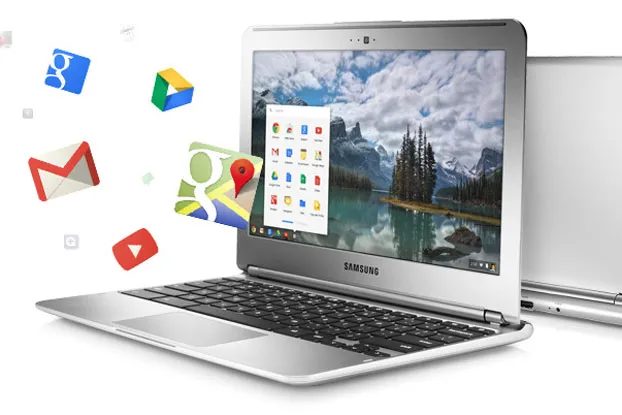
The Chromebook isn’t just another laptop. It’s a specific kind of machine built for a specific kind of user. And that user probably cares more about battery life and price than raw processing power.
Google’s entry into the hardware space hit hard. The appeal is simple. You get a lightweight, inexpensive computer that doesn’t fight you. It runs on Chrome OS. That means your entire workflow happens in the browser. Or at least, it feels like it does.
The Cloud-First Philosophy
Data backup isn’t a feature on a Chromebook. It’s the foundation.
Most laptops store your files locally until you remember to hit “save” or hope your cloud sync caught up. A Chromebook assumes the cloud is your hard drive. Your documents, photos, and settings live in Google Drive by default. Lose the device? You don’t lose your life. Log into any other Chromebook, and you’re right back where you started.
This matters for students. It matters for remote workers. It matters for anyone tired of troubleshooting corrupted local files.
Software That Sticks
You aren’t installing traditional desktop applications in the heavy sense. You’re using Google apps. Docs. Sheets. Slides. Gmail. They are native to the OS. They open instantly. They don’t bog down the system.
For basic tasks, this is a win. You get speed. You get simplicity. You don’t get the bloatware that often comes with Windows pre-installs.
Who Is This For?
If you spend 90% of your time in a browser, a Chromebook makes sense. It’s cheap. It’s fast to boot. It rarely needs a restart.
But if you need heavy editing software or offline capabilities for complex files, you might find the limits. The ecosystem is walled off. You stay inside Google’s garden. And for many, that’s a feature, not a bug.
The market responded. These machines became popular not because they were powerful, but because they were reliable. And in a world of tech headaches, reliability is the only premium that truly counts.
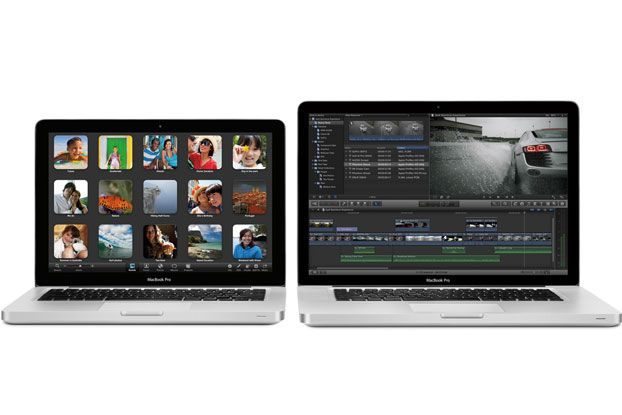
If you need raw horsepower, the MacBook Pro remains the undisputed king of Apple’s laptop lineup. It isn’t just a computer; it is a statement. You can choose between a 13-inch or a 15-inch display, both built on Apple’s flash storage architecture. That means no moving parts to break. No spinning disks to slow you down. Just speed.
But what if you don’t need a workstation? What if you just want to consume content while lying on a couch?
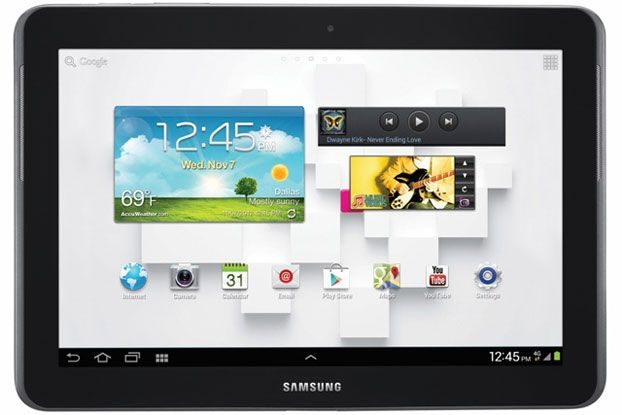
Enter the Samsung Galaxy Tab 2. This tablet dominates the portable space for a reason. It runs on Android, an operating system that feels less like a locked garden and more like a sprawling marketplace.
Why Flash Storage Matters on the MacBook Pro
Apple’s insistence on flash architecture in the MacBook Pro isn’t just marketing fluff. It changes how the machine behaves. Traditional hard drives stutter. They grind. Flash memory doesn’t.
For video editors, developers, or anyone juggling heavy files, this translates to boot times that feel instantaneous and application launches that happen before you finish the thought. The 15-inch model offers a canvas large enough for serious work. The 13-inch keeps it portable. Both are fast. Both are reliable.
The Android Advantage on the Galaxy Tab 2
Tablets are different beasts. You aren’t typing essays on them. You’re watching TV. You’re browsing. You’re browsing apps.
The Samsung Galaxy Tab 2 leverages its Android OS to do exactly that. The standout feature? Access to the Samsung Media Hub. This isn’t just a generic app store. It is a direct pipeline for next-day TV shows. Forget waiting for the DVR to catch up. You want to watch that episode tonight? It’s there.
And beyond TV, the ecosystem is vast. Thousands of apps. Games. Productivity tools. The barrier to entry is low, and the variety is high.
Which One Do You Actually Need?
This comes down to intent.
- Create. If you are building, coding, editing, or designing, the MacBook Pro is your tool. The keyboard. The trackpad. The screen. The power. It is a desktop replacement.
- Consume. If you are watching, reading, gaming, or browsing, the Samsung Galaxy Tab 2 fits in your hand. It is lighter. It is more flexible. It connects to media hubs easily.
The MacBook Pro rises to the top for computing power. The Galaxy Tab 2 rises to the top for convenience. They serve different masters. Pick your master carefully.
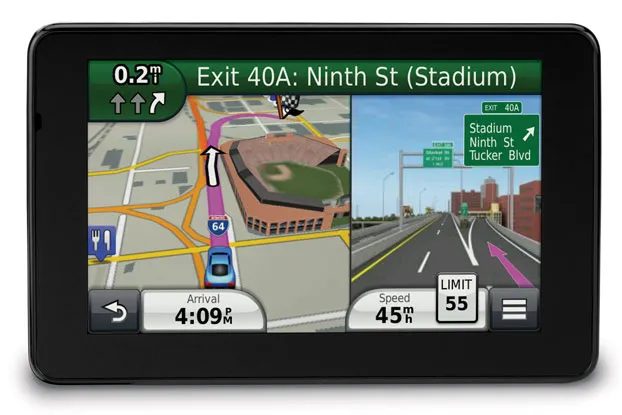
GPS isn’t magic. It’s math. A dense web of satellites circles the earth in precisely tracked orbits. They send signals. Your device catches them. The math calculates exactly where you are.
This is the engine behind the Garmin nüvi series. For years, these handheld units were the default for drivers who didn’t trust their phones to get them home. They are popular. They are portable. And they operate on a principle that mobile apps often ignore: reliability without a data connection.
How Satellite Navigation Actually Works
The technology sounds complex, but the interaction is simple. Satellites orbit the planet. They don’t wobble. They stay in their tracks. Your nüvi receiver locks onto at least four of them.
Trilateration does the heavy lifting. It measures the time it takes for a signal to travel from each satellite to your device. Distance equals speed of time. The intersection of those spheres gives you a coordinate. Latitude. Longitude. Elevation.
This process doesn’t require cell service. It doesn’t need Wi-Fi. It just needs a clear view of the sky.
The nüvi Advantage Over Apps
Smartphones have cameras. They have processors. They have touchscreens. But they suffer from dependency. You need a carrier. You need a plan. You need battery life.
The nüvi cuts those cords.
| Feature | Smartphone GPS | Garmin nüvi |
|---|---|---|
| Connectivity | Requires data/cell tower | Standalone satellite lock |
| Power Source | Shared with calls/apps | Dedicated battery |
| Map Updates | Cloud-based, often subscription | SD card or USB, often free |
| Durability | Glass screen, fragile | Rugged housing, built for impact |
For road trips, the nüvi remains a viable alternative. It doesn’t crash when you hit a dead zone. It doesn’t heat up until it shuts down. It just points North.
Who Still Buys These?
You might think the nüvi is legacy hardware. The market disagrees.
Drivers who hate subscriptions still prefer Garmin. The company sells lifetime map updates for many of its older models. You pay once. You drive forever. No monthly fees for Waze or Google Maps data overages. No premium tiers for offline maps.
“It just points North.”
This isn’t just about saving $5 a month. It’s about control. You own the device. You own the maps. When the software updates, they are yours to install or ignore.
The Reality of Modern Navigation
Smartphones have won the daily commute. They predict traffic. They reroute around accidents. They show you the best coffee shop on the corner.
But for long-haul logistics, recreational off-roading, or emergency preparedness, the standalone navigator still has a pulse. The nüvi series offers a specialized tool for specialized jobs. It doesn’t try to be everything. It tries to be somewhere.
And sometimes, that’s enough.
The Hardware That Connects Us
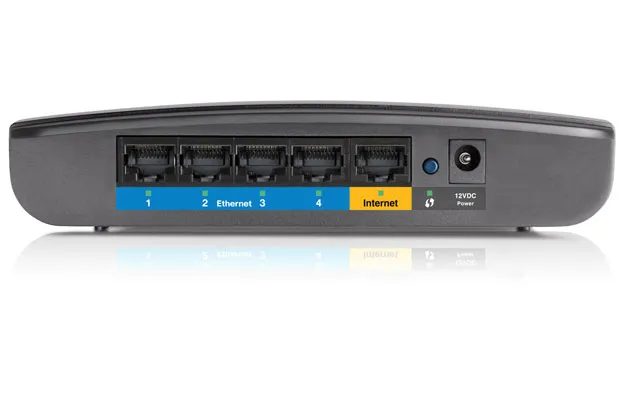
Wireless routers are a staple purchase for most homes, and Cisco’s offerings remain a popular choice among consumers. The mechanics are straightforward but essential. The device uses radio waves to bridge the gap between your local network and the wider internet. It connects computers, phones, and other smart gadgets without a single cable running to the wall. You plug it in. The signal goes out. Devices catch it. It is the backbone of modern connectivity.
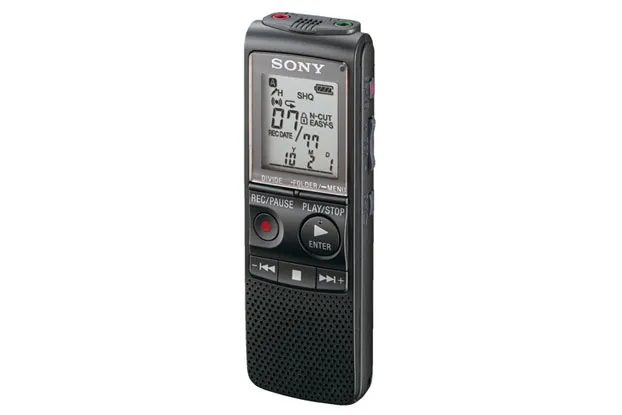
Then there is the Sony Digital Flash Voice Recorder. It is not just some niche tool for journalists. It is a top-selling gadget for a reason. This device lets users capture voice and music data directly onto flash memory. No tapes. No complex editing software required to get the file off the device. You hit record. You save it. The file sits on the chip.
Why These Tools Matter
Consider the shift from wired to wireless. A few years ago, getting online meant running Ethernet cables across rooms or hunting for the one spot in the house with a strong signal. Now? The router handles the heavy lifting. It takes the incoming internet connection and broadcasts it. The quality of that broadcast depends on the hardware. A good router, like the Cisco model mentioned, reduces dropouts. It keeps your video calls from freezing. It stops the buffering. For the average user, that means fewer headaches and more reliable access to whatever they are streaming or working on.
The voice recorder tells a different story. It is about convenience and portability. In an era where we are constantly recording, reviewing, and archiving audio, having a dedicated device removes friction. You do not need to pull out your phone and risk draining its battery or missing a notification. You grab the recorder. You press a button. The data goes straight to flash memory. That is fast. That is efficient.
The Underlying Technology
Both devices rely on invisible infrastructure. The router uses specific frequencies, usually 2.4GHz and 5GHz bands, to send data packets back and forth. If there is interference from a microwave or a thick wall, the connection stutters. The quality of the router’s antennas and processors determines how well it handles that stress.
The Sony recorder uses flash memory, which is solid-state storage. There are no moving parts like in an old cassette deck or even a hard drive with spinning platters. That makes it durable. Drop it. It still works. The compression algorithms used to store the audio data are optimized for size and speed, ensuring you can record for hours without filling up the tiny chip.
Real-World Impact
For the tech-savvy reader, these are not just products. They are enablers. The router enables remote work. The recorder enables quick idea capture. Without them, the workflow changes. You might find yourself tethered to a desk. You might miss a crucial phone call because your phone was in another room.
The choice of hardware matters. A cheap router might save money upfront but cost you in reliability. A high-quality recorder might seem like an extra expense, but it saves time in the long run. The market reflects this. Cisco routers sell well because businesses and homes trust the stability. Sony’s recorders sell well because they do one thing, and they do it well.
Looking Ahead
Is there a future where these specific devices become obsolete? Maybe. Wi-Fi 6 and 7 will
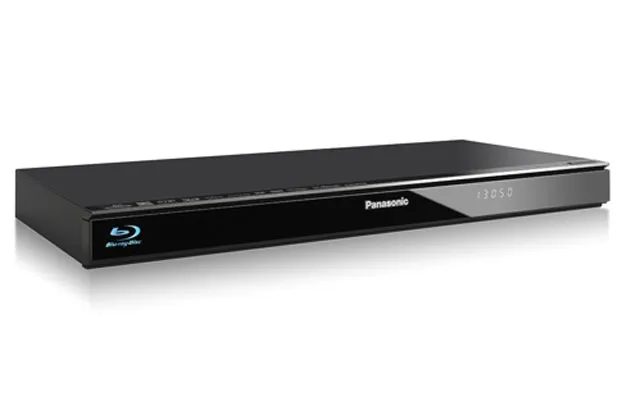
Streaming on disc players isn’t just a gimmick anymore. Panasonic and other manufacturers are pushing Blu-ray players with internet streaming capabilities to meet demand for high-definition content at home. It’s a shift from pure physical media to hybrid devices that bridge the gap between DVD libraries and emerging online services.
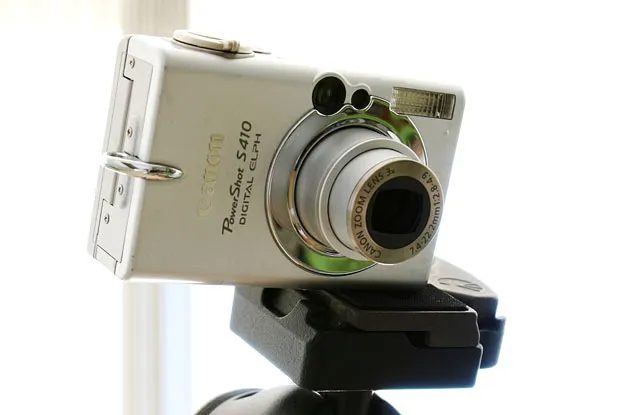
Canon keeps its grip on the digital camera market. The Canon Powershot line remains a top seller. These compact cameras have dominated since their 1996 debut. They appeal to consumers who want quality without the bulk of pro gear. For deeper looks at these gadgets, check out the Essential Gadget Pictures collection.