Two men. Federal charges.
It’s official now. Two guys have been picked up for what prosecutors are calling a serious crime, making explicit AI deepfakes of famous women.
Not just obscure figures. Female politicians, musicians, singers. Even private photos of people one of the suspects knew personally.
Millions saw this stuff.
That is the scale we are talking about. And now, thanks to a law passed last year, those two men could face up to two years behind bars.
The Law at Play
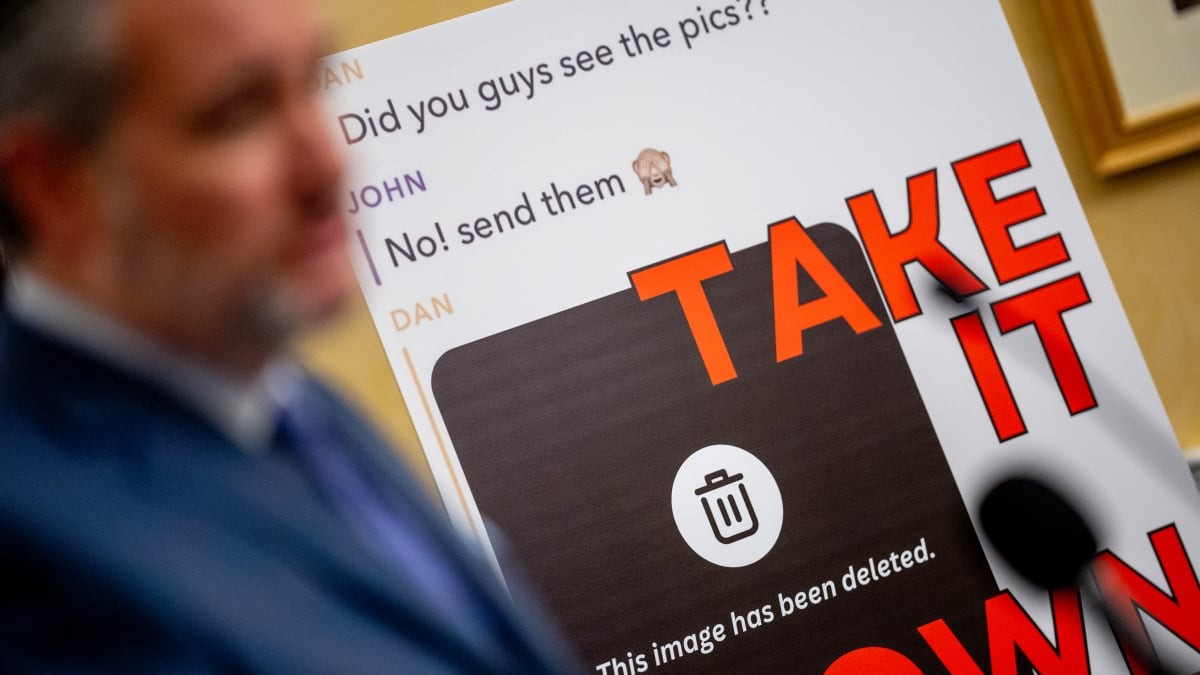
They are being tried under the “Take It Down Act.” President Trump signed it, Melania backed it, and it went live exactly a year ago. The premise is simple but heavy: if you publish or threaten to publish non-consensual intimate imagery involving real people, even if it is AI-generated, it is a crime.
Back when this happened? Experts were skeptical.
How do you actually enforce it? Who helps the victims get removed from the internet? What about free speech arguments? There were lots of questions about how the Federal Trade Commission would handle the mess. Broad guidelines invite lawsuits, everyone knows that.
But last month, the law got its first win. An Ohio guy pleaded guilty. He used AI to harass women and made child sexual abuse materials too. The system works.
Or does it?
“This case makes clear that posting deepfake pornography is not a victimless crime.”
US Attorney Joseph Nocella dropped that line after the arrests. It’s blunt. Maybe he’s right. The victims here don’t get a vote on the images circulating under their names, stripped of dignity, viewed by strangers.
We’ll see where this goes.