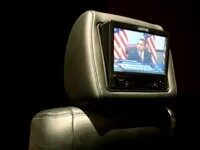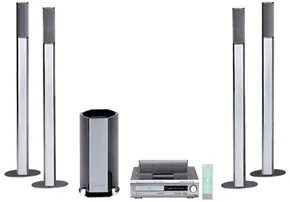
Movie theaters work because they have a huge, clear picture and sound all around you. To replicate this boom at home, we need to rebuild these two pillars. Simply plugging the TV into the wall is not enough. In order to split the audio signal and direct it to the right place, specific hardware is needed.
Non-negotiable parts
If you want a theatrical experience, you can’t skip the basics. These requirements are simple but strict.
First, you need a screen. That means big TVs. Do not bother with anything smaller than 27 inches measured diagonally. The image must be clear. Blurry details kill immersion.
Second, audio. You need at least four speakers. One soundbar is usually not enough for true surround sound. Hardware is needed to separate and route the signal to these speakers. This is the receiver or processor that does the heavy lifting.
Third, the source. Requires devices that can play or play videos with surround sound. Ideally, the source also produces high-quality images. Without an efficient signal source, speakers and screens are just expensive decorations.
Finally, you need a room. All these devices require physical space. It must be positioned so that the sound reaches the ears and the image is visible.
Budget level: Crude to Cinematic
There is no one way to build this setup. The final system depends entirely on wallet and your standards.
If your budget is limited, you can upgrade your current equipment. If you have a decent TV and stereo, you can add extra speakers and some inexpensive components. This creates a crude home theater. it works. It’s not pretty. But this is a start.
The price range is vast.
* Entry Level: A basic surround sound system with a new DVD player costs around $500. This gets you the essentials.
* MID-RANGE: Upgrade to a large TV and advanced sound system. Expect to spend about $8,000. This is where performance really takes off.
* High End: For $30,000, you are building a real theater. This can include projection televisions, built-in speakers, bolted-in theater seats, and even a concession stand.
What Comes Next
Specific devices are discussed in detail in the following sections. We get to know different types of televisions, surround sound receivers, speakers and video sources.
We will weigh the pros and cons of each component type. Understand the Price Range and the long-term benefits of investing in better equipment. As a final touch, we’ll also discuss some additional components. These small additions can make or break the final experience.