May 14 finally arrived.
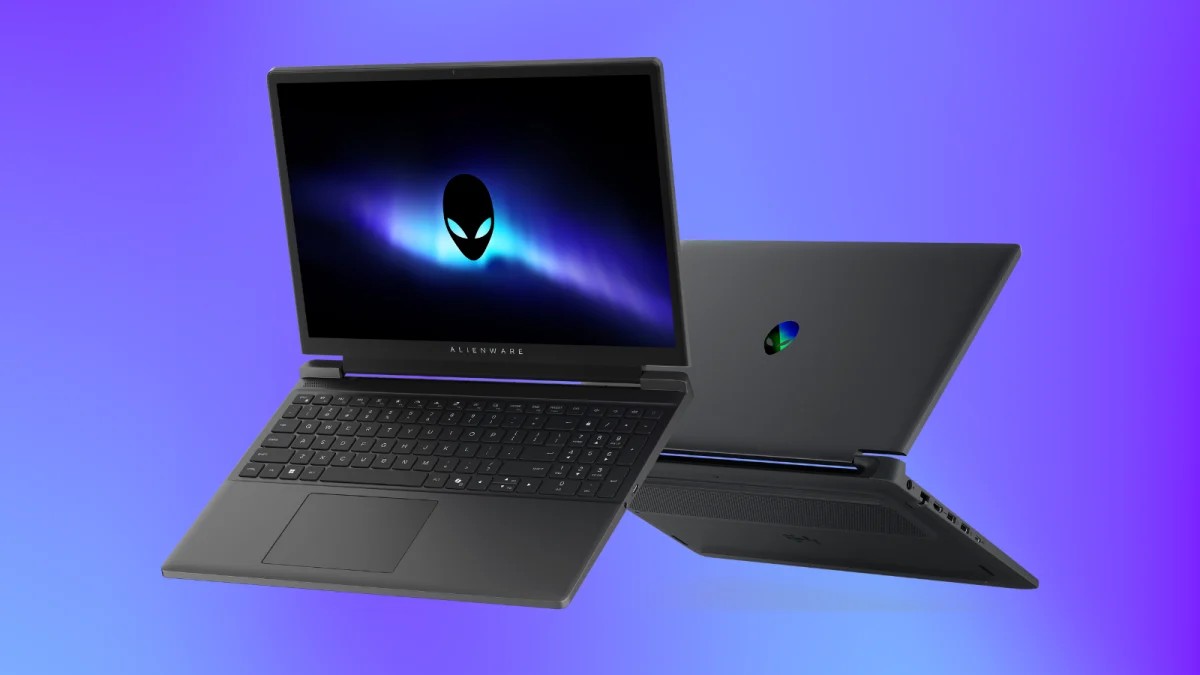
Dell stopped teasing and pulled back the curtain. The new entry-level laptop is called the Alienware 15. The name rings a bell. You probably remember it. Back then it was a chunky beast, covered in RGB lights that looked like Christmas decorations exploded. Now it sits in the Dell store for $1,29999.
That price stings a little.
Four months ago, in a January blog post, Dell promised their “most accessible price point yet.” Accessible usually means $1,000. The 2025 Alienware 16 Aurora launched for $1,09999 last year. The new Alienware 15 sits $200 above that. It’s the market. It’s just how things are now.
“The rising cost of RAM is affecting pricing,” a rep said. They blamed global AI centers hoarding memory chips. Dell calls it a competitive backdrop. You might call it expensive.
Still, it’s the cheapest Alienware of 2026 by a margin of several hundred dollars. The mid-range Aurora starts at $1,63999. The flagship Area-51 is $2,59999. Dell says expect regular promotions. Wait for the sales. They’ll happen.
While we are at it, Dell also dropped the consumer-grade 14S and 15S laptops. Slim aluminum. OLED options. Up to 26 hours on a battery charge. They start at $1,26999 with Intel chips. AMD versions are coming later this month. Not gaming machines though. These are for the spreadsheet warriors.
What does the new 15 look like?
Dell went with an “essentials-only aesthetic.”
That’s corporate speak for “boring but safe.”
It has a Nova Black metallic finish. A holographic logo. That’s it. No flashy RGB strips lighting up your dark bedroom. Just white keyboard backlighting. You can use it in an office without the IT department calling security. Or in a classroom, if your laptop budget allows it.
It’s svelte compared to its ancestors. CNET called the 2,016 version a “tank covered with Christmas lights.” The 2,026 version weighs around 4.9 pounds. Thickness runs from 0.8 to 0.9 inches. It’s not a featherweight. It’s definitely not thin. But it’s lighter than the Auroras. It has a simple rear exhaust now. No massive thermal shelf sticking out the back. Just a standard hinge design.
The lid and bottom are polycarbonate resin. Plastic, really.
But don’t expect it to snap.
Dell claims it survived the same stress tests as the premium models. Matt McGowan, Head of Product at Alienware, insists. “Same gauntlet,” he says. Hinge tests. Spill tests. Drop tests. Plastic that behaves like aluminum. That’s the goal.
The guts underneath
Inside, you get last-gen chips.
Intel Core Ultra Series 2 or AMD Ryzen 2,00 Series. The AMD options are the cheapest route to entry. Graphics cards? You’re looking at the Nvidia RTX 5,060, the new RTX 5,050, or older models like the RTX 4,050 and 3,050. The older ones are trickling in later.
If you get an RTX 50 Series GPU, it comes with a Cryo-Chamber. Better airflow. Less heat. Good for longevity.
Here is the spec sheet without the fluff.
- Storage: 512GB or 5,000 SSD
- RAM: 8, 0 to 3, 2 GB
- Display: 1.5, 3 inches, 1,920 x 1, 200 resolution, 6, 00 Hz refresh, 30 nits, FreeSync
- Ports: Ethernet, HDMI, 2x USB-A, 2x USB-C, headphone jack
- Webcam: 7, 0p. Because budget means budget everywhere.
- Connectivity: Wi-Fi 6, Bluetooth 5.2
It’s not the most powerful machine ever sold. But Dell is clearly trying to broaden the net. They dropped a 7-inch OLED monitor for $3,50 last month. Now the cheapest Alienware is under $1,5,00. Accessibility is the theme. Whether that translates to performance per dollar remains to be seen.
What’s the point if it doesn’t play well? That’s what matters. Everything else is marketing.