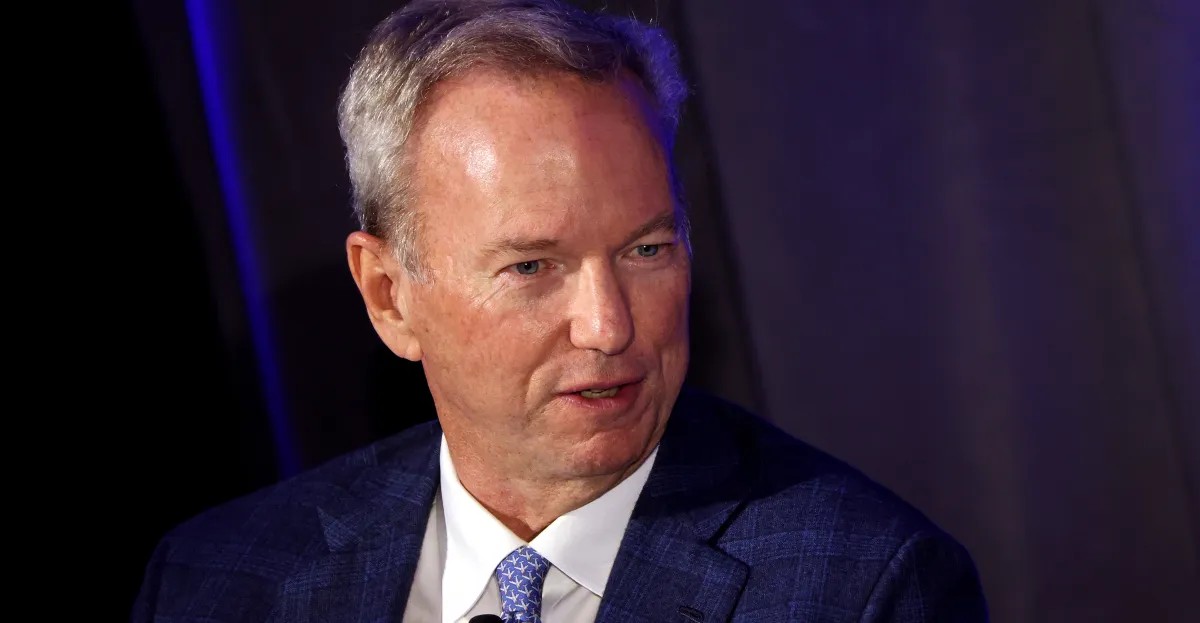
It got loud in Arizona on Friday. Eric Schmidt, former head of Google, stood at the podium for the University of Arizona commencement. He had a lot to say. Mostly about AI. And mostly, he wasn’t really listened to.
The room wasn’t ready for another pitch.
The booing starts early
Schmidt talked tech. Then he talked artificial intelligence. The audience didn’t like it. Not at all. Boots turned to boos, and then the boos got louder, drowning him out completely.
It’s not just noise. It’s context. Graduates are stepping into a job market that looks pretty broken right now. Telling them AI is their savior when their futures look uncertain? That lands wrong. Schmidt knew it, technically. He even called these fears rational, admitting that inheriting a mess of fractured politics and vanishing jobs feels real to them.
“The machines are coming… you are inheriting a mess you did not create.”
He called their anxiety rational. Good. But his body language said something else. He squirmed behind that lectern. He got frustrated. He wanted to make his point, and frankly, the room said not here, not now.
Not just about algorithms
It wasn’t solely about tech hype. Some of those boos came from a different place. A darker one. There were sexual assault allegations against him last year, and apparently, the graduating class didn’t forget. They made sure he heard about it too.
So there’s that layer. Then there’s the tech layer. Then there’s just the whole vibe.
Eventually, Schmidt went for his closing metaphor. He told the class that if someone offers them a seat on a rocket ship, they shouldn’t ask which seat. Just get on board.
Isn’t that exactly the kind of tone-deaf Silicon Valley cliché you expect?
The memo was never sent
Last year, he said AI was “underhyped.” This year, he’s telling fresh graduates to jump blind onto his vehicle of the future. It doesn’t read as leadership. It reads as blindness to the room.
This is a pattern. Gloria Caulfield missed the memo too, and half of Big Tech seems to be ignoring it as well. Public opinion on AI has soured, shifting from wonder to skepticism, maybe even fear. Yet the companies keep forcing it into every corner of daily life. They aren’t asking if people want it. They just install it.
Maybe Schmidt thought the diploma meant a free pass to preach. It didn’t.
He finished. They stayed. And the disconnect remained, wide and stubborn, between the stage and the floor. No one apologized. No one conceded.
The ceremony ended. The tension didn’t.