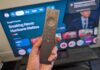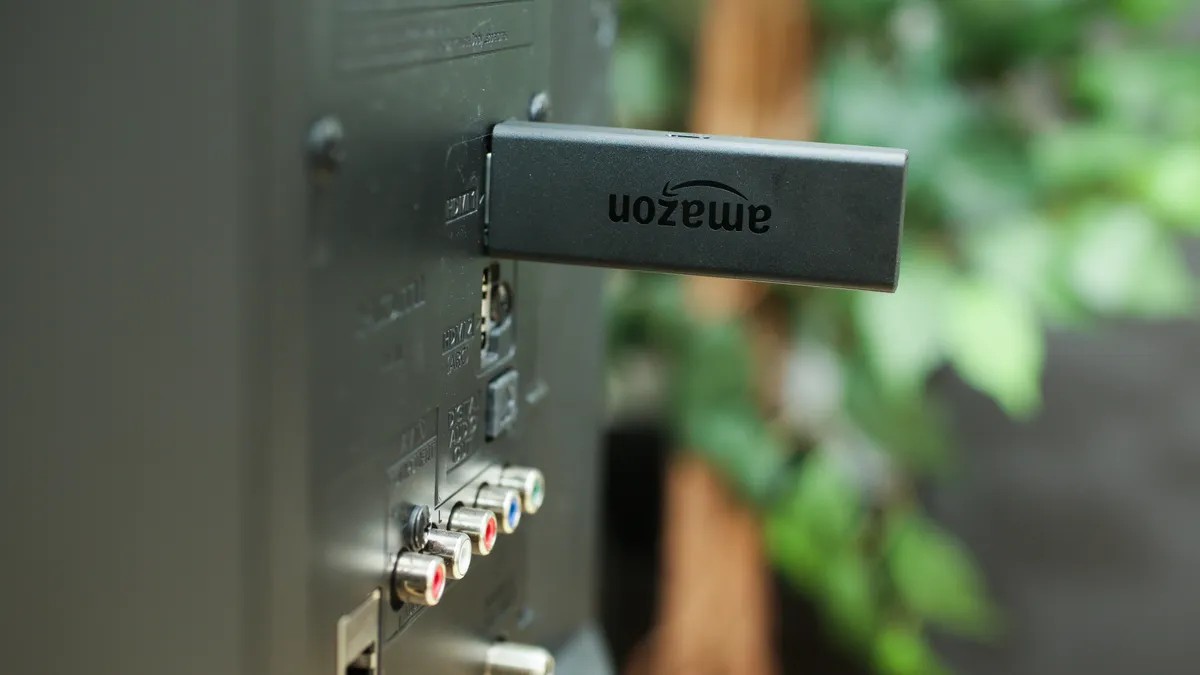
Amazon is facing a proposed class-action lawsuit in Los Angeles County, alleging that the tech giant intentionally rendered early generations of its Fire TV Stick devices obsolete to force customers into purchasing newer hardware.
The Core Allegations
The lawsuit, filed by plaintiff Bill Merewhuader, centers on the performance degradation of second-generation Fire TV Sticks purchased in 2018. According to the legal filing, the devices—which initially functioned well—eventually suffered from:
- Significant slowdowns in streaming speeds.
- Lagging navigation through user menus.
- Excessive load times that eventually made the devices unusable.
Merewhuader alleges that Amazon engaged in a practice of “bricking” devices—making them non-functional—before they had reached the end of their natural useful life. The plaintiff argues that these performance issues were not accidental but were a deliberate strategy to spur hardware upgrades.
The Legal Argument: Transparency and Marketing
A key component of the lawsuit rests on consumer transparency. The filing claims that Amazon failed to inform buyers that these devices would inevitably lose functionality or become inoperable over time. Furthermore, the plaintiff argues that the actual performance of these aging devices failed to live up to the standards promised in Amazon’s original marketing materials.
At this stage, Amazon has not responded to requests for comment, and the legal team for the plaintiff has declined to provide additional details beyond the official complaint.
The Context: The Lifecycle of Streaming Hardware
This legal battle highlights a broader tension in the consumer electronics industry: the gap between hardware longevity and software evolution.
The streaming market has matured significantly over the last two decades. To understand the scale of the issue, consider the timeline of industry leaders:
* Apple TV: Launched in 2007.
* Roku: Launched in 2008.
* Google Chromecast: Launched in 2013.
* Amazon Fire TV: Launched in 2014.
As streaming services become more resource-intensive, older hardware often struggles to keep up. This is a known trend; for example, the original Apple TV box is now largely inoperable because it cannot support modern app requirements.
The critical question in this lawsuit is whether the decline in performance is a natural byproduct of software evolution or a manufactured obsolescence designed to drive sales.
Who is Affected?
If the class action proceeds, it aims to represent a wide group of consumers. The proposed class includes:
1. Owners of first-generation Fire TV Sticks who held the device as of January 1, 2023.
2. Owners of second-generation Fire TV Sticks who held the device as of April 1, 2023.
This lawsuit represents a significant test of whether tech companies can be held liable for the “death” of hardware that is technically still functional but rendered useless by software or performance shifts.
Conclusion
The lawsuit seeks to determine if Amazon’s aging Fire TV sticks became obsolete through natural technological progression or through intentional, undisclosed tactics to drive new sales.