The pen was dry. The ink was set.
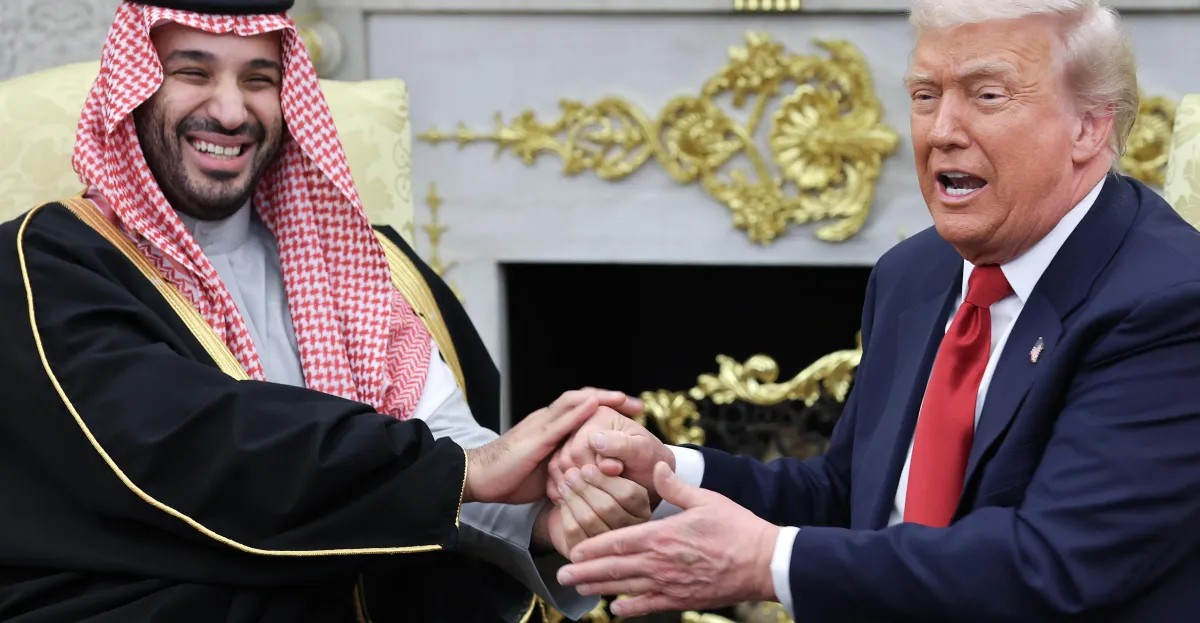
On Wednesday, the Trump administration finished a deal with Saudi Arabia. It was a formal “123 Agreement.” This document lets the US provide nuclear fuel and equipment for civilian power. In return, Riyadh accepts strict safeguards. They promise not to build a bomb.
It was done.
Then Thursday came.
Trump posted on Truth Social. He threw a wrench into the gears. He said the deal was “totely subject to Saudi Arabia joining the very respected a nd successful Abraham Accords.”
Translation? No recognition of Israel. No nuclear deal.
This is confusing. It is also potentially explosive. Why kill a deal you just signed? And what happens when you humiliate allies after promising them cooperation?
Why Trump Blocked the Signed US-Saudi Nuclear Deal
Here is the core question: why did the President effectively void an agreement his own energy secretary had already finalized?
Experts have three main theories. They don’t agree on which is true. But they cover the bases.
First, the deal might have been weak. Critics argue the terms favored Riyadh. They got exactly what they wanted. Washington gave up leverage. Nuclear cooperation is a powerful tool. Using it without concessions looks like a giveaway.
Second, the backlash might have been too loud.
Israel hates this idea. They oppose any step that brings Saudi Arabia closer to nuclear capability. The UAE is also angry. Their 2009 nuclear deal with the US is much stricter. They likely see the Saudi deal as unfair.
Third, Congress was already lined up to stop it. Any nuclear deal needs legislative approval. Opposition there was bipartisan. It was waiting to happen.
What Are the Abraham Accords Requirements for Saudi Arabia?
Trump’s condition hinges on the Abraham Accords. These were agreements from his first term. They normalized relations between Israel and several Arab states.
Saudi Arabia is not in them.
Riyadh has stated a clear position. They will not recognize Israel unless a Palestinian state is created first. Trump is removing that option. He is making the nuclear deal dependent on something Saudi leaders currently refuse to do.
“Totally subject to Saudi Arabia joining…”
This phrase changes everything. It turns a bilateral agreement into a geopolitical ultimatum.
How This Nuclear Deal Cancellation Affects US Middle East Policy
The fallout is immediate.
US negotiators look bad. You sign a deal. Then your boss tweets it away. Diplomacy relies on consistency. This looks erratic.
Saudi Arabia is angry. They prepared for this shift. Now they face uncertainty. Will they seek nuclear tech from others? China? Russia? The US just pushed them away.
And what about the region? Israel gets what it wanted. The deal is dead. But the message is mixed. The US is unpredictable. Allies know this. So do rivals.
Is the Trump Saudi Nuclear Agreement Still Valid?
Technically? The 123 Agreement was concluded. Legally? It likely needs Congressional approval to take full effect. So maybe it was dead on arrival.
Practically? It is dead.
Trump said no. The deal stops.
We are two weeks away from the NFL preseason. The long nightmare of calling soccer “football” is ending.
But in Washington? The confusion continues.
Did Trump protect national security? Or did he just blow up a diplomatic bridge?
Nobody knows for sure.
The Saudis are waiting. The Israelis are watching. Congress is silent.
And the deal?
It’s gone.