手机从来就不是玩具。 它们最初是带有天线的积木,其目的只有一个:打电话。 但一路走来,我们决定想要更多。 现在,您的设备是一个袖珍影院。 它有游戏。 定制壁纸。 可更换的靠背。 当然,还有铃声。
当然,独特的戒指可以帮助您在包里找到手机。 它消除了拥挤房间的噪音。 但说实话。 你改变铃声是因为你想要感受一些东西。 这是一种为冰冷的工业物体注入个性的小方法。
那么,如何获取不在默认列表中的歌曲呢? 这比你想象的要容易。 要理解这一点,您必须深入了解底层。
微处理器和内存
如果您想知道手机是如何思考的,那一切都与微处理器有关。 这是大脑。 就像台式电脑一样,这个微型芯片控制着每一个功能。 它从手机内存中读取指令。
铃声并不是您想象的那样复杂的音频文件。 这是一个程序。 具体来说,它是存储在存储芯片上的一组指令。 它唯一的工作很简单:告诉说话者当听筒拿起时要做什么。
Frequency and shape
Most cell phones with ringtone features come with a basic note library preloaded. These are not perfect songs. They are data points. Each point defines a specific frequency of vibration of the speaker.
The ringtone program does not generate sounds out of thin air. He is indeed playing the role of conductor. This tells the microprocessor, “Play note A at this speed, then play note B.” By combining these variables, the phone can create thousands of different sets. You didn’t listen to the recording. You will hear the equipment playing the notes in a specific order.
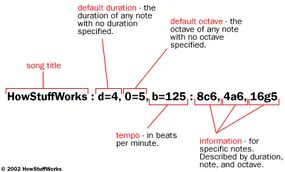
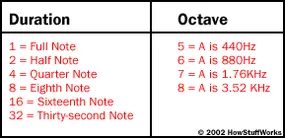
The simplest example of this logic is RTTTL (Ring Tone Text Transfer Language). Developed by Nokia, this format uses only text to define music. This works well. It is compact. It shows exactly how much you can do with very little data.
See the RTTTL code snippet. Each character has a purpose. One letter can change the mood of the whole song.
Finding a tune that matches your personality is only half the battle. The real hurdle is getting that audio file into your device’s memory. Once you have the right program loaded, your phone stops being a generic communication tool and starts being your phone.
Where to find tones
You start by hunting down a file that doesn’t crash your system. Thousands of websites specialize in this, offering everything from copyright-cleared classical pieces to the latest chart-toppers. Some sites charge a premium to cover licensing fees. Others give it away because the song has fallen into the public domain. It’s a mixed bag. You need to check compatibility first. A tone designed for a 2005 Nokia will likely do nothing on a modern smartphone without conversion.
Three ways to load a ringtone
Your phone model dictates the method. Check the manual. It’s boring, but it saves frustration. Generally, you have three paths:
- Data cable: Connect the phone to a computer. Use proprietary software to drag and drop the file.
- Over the air (OTA): Send the file via a specialized text message.
- Manual entry: Type the melody in using the keypad.
Most modern phones support at least one, often multiple, of these methods. The choice depends on what hardware you own and what software is installed.
The data link route
Using a data link or infrared interface is straightforward if you already have the setup. You need the right software on your computer and the correct cable for your phone. It’s reliable. The files transfer directly. But the initial setup requires work. You have to install drivers. You have to configure the connection. If you’re tech-savvy, it’s a one-time pain. If not, it’s a barrier to entry.
Sending ringtones over the airwaves
This method became popular thanks to Nokia, but it’s now standard across brands. The concept is simple: send a special text message that contains the ringtone program. Most phones use Short Message Service (SMS) or Enhanced Messaging Service (EMS) for this.
Originally, SMS was just for short text. Nokia and Intel then created smart messaging. This protocol allows the phone to recognize certain SMS messages as graphics, ringtones, or other data packets instead of plain text. You visit a website, pick a tone, enter your number, and the server sends the encoded message to your device. The phone receives it, installs it, and adds it to your library.
You can also use an SMS gateway site yourself. This requires more effort. You need to find the specific code for the tone you want. It has to be in the right format, like the Nokia binary format. You copy that code and paste it into the gateway as a smart message. It’s manual, but it gives you control.
Typing in melodies manually
Some phones include a melody composer. This feature lets you build tunes by pressing keys. It sounds tedious. It can be. But it’s also empowering. You don’t need an internet connection or a cable. You just need the right “keypress sequence.”
You can find these sequences online for most phone models. You look up a song, find the sequence, and enter it into composer mode. The phone translates the key presses into notes. The format matters. If the sequence is wrong, you get noise, not music.
The future is polyphonic
Phones are evolving. Ringtones are getting complex. We’ve moved beyond monophonic beeps. Many phones now support polyphonic ringtone capability. This means the device can play multiple notes simultaneously. The result is richer, harmonized tunes that sound closer to the original recording.
Some newer models even let you record your own voice messages or songs to use as alerts. You can assign different ringtones to different contacts. You know who is calling before you lift the device. It’s a small detail, but it changes how you interact with the device.
Ringtones started as a novelty. An extraneous thrill. Now they’re becoming essential. They define the user experience. They personalize the interface. As the technology improves, the barrier to entry lowers. The variety expands. The next time you pick a tone, you’re not just picking a sound. You’re configuring your device’s personality.