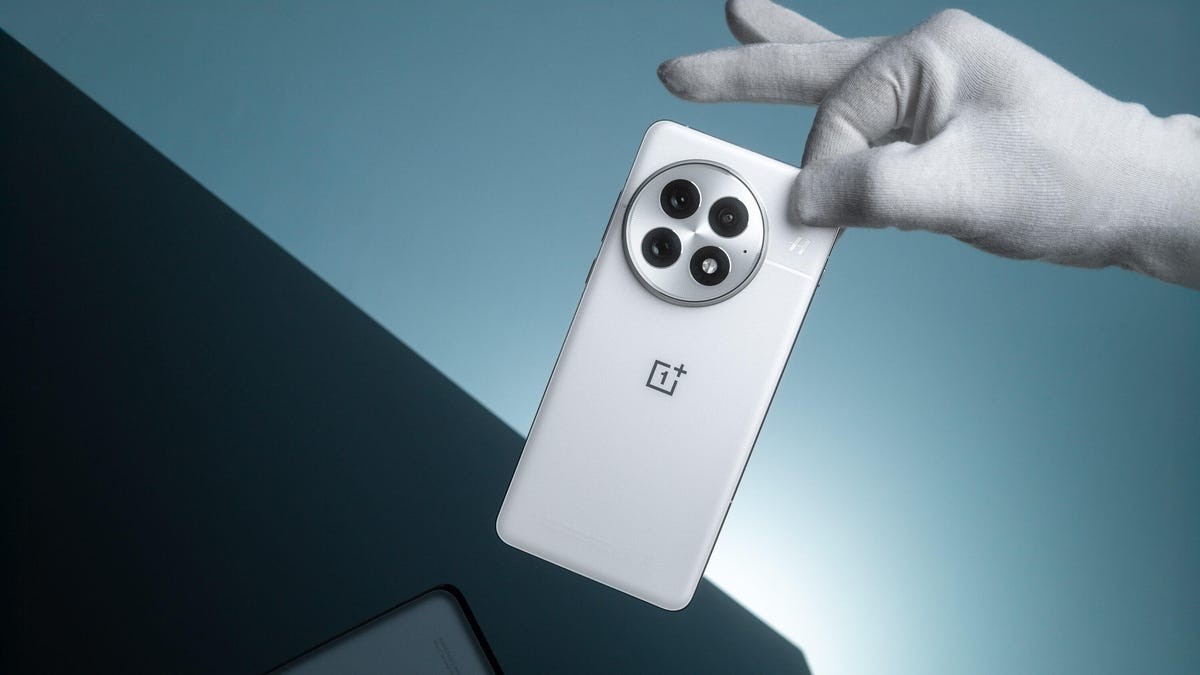
OnePlus is done with Europe and North America. It’s a hard stop. The brand will stick around in China and India, but for us here, the chapter is closed. I’ve reviewed smartphones for fifteen years. I held nearly every device OnePlus dropped in the UK. Now that the doors are shut, I looked back. What worked? What didn’t? What made us care in the first place?
Here are the devices that defined the journey. From the $299 rebel to the $900 farewell.
Why the OnePlus One Started It All in 2014
You have to start at the beginning. The OnePlus One launched in 2014 with a mission: kill the flagship price point.
It had a 5.5-inch screen. A Qualcomm Snapdragon 801 chip. A 13MP rear camera. Specs that matched Samsung’s Galaxy S5. Except the Galaxy S5 cost over $600. The OnePlus One was $299. Half the price. Double the excitement.
But you couldn’t just buy it. There were no shelves at Best Buy. Instead, there were invites. Weird digital tokens passed around forums. It felt like a club. Or a drug ring, but with better customer service.
This scarcity created a cult. People wanted in. They defended the brand online. It was grassroots marketing at its finest. Did it hold up today? Probably not. Was it the spark? Absolutely.
The Year the Invite System Died: OnePlus 3 in 2016
Two years later came the OnePlus 3. Something shifted.
First, the invite system vanished. You could just go to the website and buy it. A win for sanity.
Second, the materials changed. Gone was the plastic back. In came a full metal construction. It felt cold. Expensive, even at the $400 price tag. It housed a Snapdragon 820 and a 5.5-inch Full HD display. The camera was a decent 16MP shooter.
It was cheap. But it felt good.
Later that year, the OnePlus 3T arrived. The “T” variant became a recurring theme for OnePlus. Mid-year refresh. Slightly better chip. Slightly faster storage. The strategy was clear: give enthusiasts a reason to upgrade if they missed the launch window. It worked.
Color Matters: The OnePlus 5T in 2017
I prefer the OnePlus 5T over its predecessor, the OnePlus 5. Why?
Specs aren’t the main draw. The 6.01-inch screen is larger. The front fingerprint sensor is gone, moved to the back. It uses a dual-camera setup with a 20MP main lens and a 16MP telephoto lens. Standard fare by now.
It was the sandstone finish.
The matte white model wasn’t just painted. It had texture. It felt rough. Like actual stone. A refreshing break from the sea of black and silver glass rectangles clogging pockets. It wasn’t perfect, but it looked distinct. You noticed it when you pulled it out of your jacket.
OnePlus eventually dropped the textured finishes on subsequent phones. It came back briefly in yellow on the OnePlus 15, but never quite hit the same note.
Speed Meets Style: The McLaren Edition in 2019
By 2019, the lineup was messy. The OnePlus 7. The 7 Pro. The 7T. The 7T Pro. Regional variants confused even seasoned tech journalists.
But one phone stood out. The OnePlus 7T Pro McLaren Ed.
A collaboration with the Formula One team. It was loud. It had a wavy metal back resembling Damascus steel. Vibrant orange accents matched McLaren’s livery. It didn’t just look like a phone; it looked like a race car component.
Functionally, it mirrored the standard model. A 6.6-inch screen. But no notch. The selfie camera popped up from the top edge mechanically. Satisfying. Smooth.
The price tag climbed, but so did the prestige. For a brief moment, owning a OnePlus phone felt exclusive.
The Value Return: OnePlus Nord in 2020
Premium hardware gets expensive. The McLaren Edition hit $1,070 in some markets. That’s not a budget phone anymore.
Enter the OnePlus Nord.
Launched first in the UK, this device tried to recapture the early soul of the company. It had 5G. A triple camera system. A vivid blue colorway. And it cost £379.
It wasn’t a flagship killer by raw power, but it killed on value. It harked back to the days when OnePlus offered the essentials without the tax. It proved that a mid-range device could still feel exciting if the marketing hit right.
Audio Accessories That Didn’t Sound Average
It wasn’t just phones.
The OnePlus Buds Pro arrived in 2021 as the top-tier earbud option. They didn’t dethrone the AirPods Pro in rankings, but they didn’t have to.
They had bass. I liked the bass. If you listen to electronic music, the low end felt punchy without being muddy. They released a chrome variant, which looked sharp. The Pro 2 added a green color and better noise canceling. The Pro 3 improved battery life.
None of them broke records. But they offered a solid daily driver experience at a reasonable cost.
Fixing the Fitness Tracker: OnePlus Watch 3 in 2025
Smartwatches were a weak spot for a long time.
The first OnePlus Watch failed. Tracking was poor. Connectivity glitched. A $159 watch should have been better, but it scored a mediocre 6/10.
The Watch 2 fixed some things. But the real turnaround happened with the OnePlus Watch 3 in 2025.
Better design. Stable Bluetooth connection. And surprisingly good battery life. It finally felt like a companion for an active life. At $350, it wasn’t cheap, but the product matched the price.
OnePlus listened. Criticism stings, but it also informs. The watch series proved they could iterate until it worked.
Going Premium: The OnePlus 10 Pro in 2022
The OnePlus 10 Pro was the pivot. No more hiding behind the “flagship killer” label.
Glass back. Metal frame. Hasselblad branding on the cameras. This phone wanted to beat the iPhone and the Samsung Galaxy Note series. It priced accordingly.
In the US, it was frustrating. The fast charging tech was throttled due to FCC regulations. Water resistance ratings varied by carrier, with T-Mobile offering the waterproof version for some bureaucratic reason.
Despite the US quirks, the hardware was elite. Long battery life. Blazing speed. It marked the death of the “cheap but good” era. It was “good but expensive.” A subtle difference that changed the customer base forever.
The Foldable Experiment: OnePlus Open in 2023
OnePlus tried to compete with the foldables.
The OnePlus Open used the book-style form factor. My unit came in Crimson Shadow, a deep, dark red. It looked premium. The processor was fast.
Two problems. The cameras were average. And there was no wireless charging.
The phone achieved decent scores. But the sales were bad enough that OnePlus quietly killed the sequel. No Open 2. It remains their only foldable. A lonely badge on a failed product line.
The Expensive End: OnePlus 15 in 2025
The OnePlus 15 is the final flagship for Western audiences. Launched late in 2025, it packs serious power.
It has a 7,300 mAh battery. Enormous capacity. You could leave it uncharged for a few days and it might survive. The design is safe though. Boring. A slab of glass and metal.
But look at the price: $900.
That’s more than base models from Samsung or Google. The ethos that built the company is gone. The affordable alternative is now the premium option. Sales were reportedly low. Why buy a OnePlus flagship when you can get a Pixel with more software support or a Samsung with a track record of updates?
I liked the specs. I loved the battery. But I wasn’t sold.
Where Does This Leave Us?
It has been a long ride. Watching OnePlus shift from underdog to premium contender was fascinating. Carl Pei went on to start Nothing, another brand playing with identity and aesthetics.
But the market is cruel.
Volatility is the rule. No success is guaranteed. Yesterday’s rebel is today’s relic. We will miss the innovation, but we cannot deny the arithmetic. The business model stopped working here.
So what happens to your old OnePlus phones now? You still have the hardware. It works. The battery lasts. But there is no future support from the brand. No new accessories tailored for the region. It is a clean break.
I wonder if other brands watch this and shake their heads. Or if they just see the next opportunity to disrupt the status quo. Someone always will.