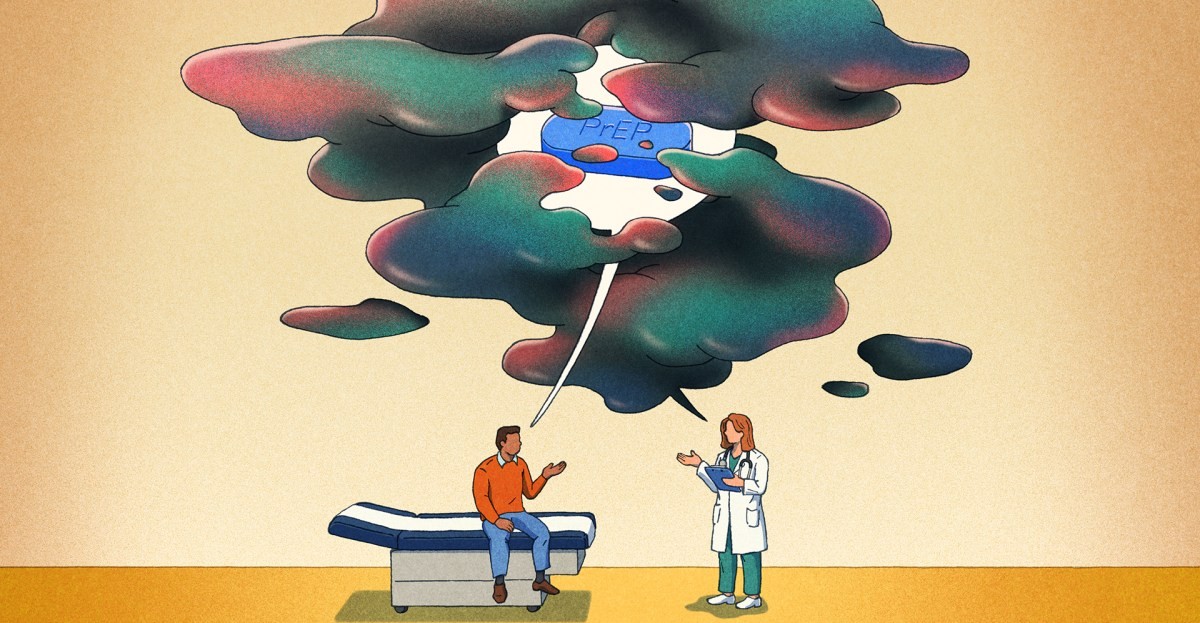
Despite having access to medical breakthroughs that can make HIV transmission nearly impossible, the United States is facing a frustrating plateau in its fight against the virus. While modern medicine has turned HIV from a death sentence into a manageable condition, a massive gap remains between the existence of prevention and the accessibility of care.
The primary tool in this fight is PrEP (pre-exposure prophylaxis) —a daily pill or bi-monthly injection that reduces the risk of contracting HIV by over 99%. Yet, even as the science advances, the epidemic persists, driven by systemic failures, medical misinformation, and deep-seated social inequities.
The Barrier of Medical Ignorance and Stigma
For many, the obstacle to prevention isn’t a lack of desire, but a lack of provider knowledge. Patients like Brenton Williams have reported instances where doctors—despite having the necessary lab work and insurance—were hesitant or uneducated regarding PrEP protocols.
This lack of clinical confidence is a widespread issue: less than half of U.S. physicians feel knowledgeable enough to prescribe PrEP. This creates a “knowledge gap” where even those at high risk are left unprotected because their healthcare providers are not equipped to navigate the prescription process.
Furthermore, social stigma continues to cast a shadow over preventative care. PrEP has historically been misunderstood or stigmatized as a “party drug,” a perception that disproportionately affects women and certain communities, making them less likely to seek out or discuss the medication with their doctors.
A Disproportionate Burden: The Inequality Gap
The most alarming trend in the current epidemic is that the progress made in reducing HIV infections is not being shared equally. While some states with high PrEP coverage (like New York and Vermont) have seen dramatic decreases in new diagnoses, states with low coverage (like West Virginia and Wyoming) have seen significant increases.
The data reveals a stark racial and gender-based divide:
– Race: Black Americans account for nearly 40% of all new HIV diagnoses but make up only 16% of PrEP users. Similarly, Latino communities have seen a nearly 20% rise in new infections between 2018 and 2022.
– Gender: While women account for one in five HIV infections, they represent only one in ten PrEP users. This is partly due to the false perception that women are at lower risk and the fact that only one FDA-approved PrEP pill (Truvada) is legally approved for those assigned female at birth.
– Geography: Vulnerable populations in the South consistently show much lower PrEP usage rates compared to the rest of the country.
“The scope and awareness of HIV really changed once more people were living with HIV than dying of HIV.”
— Danielle Houston, Executive Director of the Southern AIDS Coalition
This “invisibility” of the epidemic—caused by the success of antiretroviral therapies that allow people to live long, healthy lives—can lead to a dangerous lack of urgency in public health policy.
The Logistics of Prevention: “Too Much Work for a Disease You Don’t Have”
Even when patients successfully access PrEP, the “maintenance” required can be a deterrent. To stay protected, users must navigate:
1. Frequent Medical Check-ins: Regular doctor visits and lab work every three months.
2. Financial Hurdles: While most insurance covers the drug, the ancillary costs—testing, labs, and office visits—can be difficult to manage.
3. Complexity: Without a federally funded preventative equivalent to the Ryan White Program (which supports those already living with HIV), the uninsured face a daunting financial climb.
These logistical burdens contribute to a high attrition rate, with studies suggesting that between 37% and 62% of people stop taking PrEP within six months.
New Paths to Access: Telehealth and Community Support
There is, however, a glimmer of progress through technological innovation. Telemedicine is rapidly closing the gap. Platforms like MISTR have revolutionized access by providing a streamlined, digital way to obtain prescriptions. Notably, these platforms are reaching demographics that traditional clinics might miss; nearly half of MISTR’s users are people of color, and one-third are uninsured.
Beyond technology, community-based organizations remain the backbone of effective outreach. Clinics like the Women’s Collective in D.C. provide more than just medication; they offer a holistic support system—including food pantries and social groups—that addresses the psychological and social needs of those navigating HIV prevention and care.
Conclusion
The tools to end the HIV epidemic in America already exist, but they are currently hindered by medical education gaps, systemic inequality, and logistical hurdles. Ending the epidemic will require more than just scientific breakthroughs; it will require political will and a healthcare system that prioritizes equitable access for its most vulnerable populations.