The landscape of Windows laptops is undergoing a dramatic shift. At the recent Consumer Electronics Show (CES) 2026, manufacturers unveiled a wave of strikingly thin and lightweight devices – signaling a clear trend toward ultra-ultraportability. What was once a niche offering, exemplified by the 2.18-pound Asus Zenbook A14, is now becoming mainstream. This shift isn’t just about aesthetics; it reflects a growing demand for devices that seamlessly integrate into mobile lifestyles, pushing the boundaries of what’s possible in terms of battery life and performance.
The New Standard: 2.2 Pounds and Under
The trend is defined by premium magnesium alloy chassis, high-resolution OLED displays, and weights hovering around 2.2 pounds. This makes even the Apple MacBook Air, previously considered a benchmark for portability at 2.7 pounds, feel comparatively bulky. Multiple manufacturers, including Asus, Acer, HP, and Lenovo, are now competing in this space. The race to be the lightest isn’t just about bragging rights; it forces innovation in materials science, thermal management, and battery technology.
Powering the Shift: Chips and Battery Life
These ultra-svelte laptops are powered by either Intel’s new Ultra Core Series 3 chips (offering broader app compatibility) or Qualcomm’s Snapdragon X2 series. The key is battery efficiency: many models promise 27+ hours on a single charge, with the Asus Zenbook A14 claiming up to 35 hours with its latest Snapdragon X2 chip. This prolonged battery life is a direct response to user demand for all-day performance without being tethered to an outlet.
Key Models Leading the Charge
Several standout devices are driving this trend:
- Acer Swift Edge 14 AI : Combining a stainless steel-magnesium alloy chassis with up to an Intel Core Ultra 9 processor, this laptop weighs just 2.18 pounds and meets military-grade durability standards.
- Asus ExpertBook Ultra : Configurable with high-end Intel Core Ultra X9 chips, this business-focused laptop boasts a 3K OLED display and an innovative haptic touchpad, all within a 2.18-pound package.
- Asus Zenbook A14 (and A16) : The updated Zenbook A14 features a new Snapdragon X2 Elite chip with improved AI processing, up to 35 hours of battery life, and a refined design. The A16 expands the lineup with a larger 3K 120Hz OLED touchscreen, weighing in at just 2.65 pounds.
- HP EliteBook X G2i : A lightweight clamshell-style Intel model with an Atmospheric Blue magnesium chassis, weighing only 2.2 pounds.
- HP OmniBook Ultra 14 : The thinnest laptop showcased at CES 2026, measuring just 7.4 millimeters at its front edge. While slightly heavier at 2.81 pounds, its extreme slimness sets it apart.
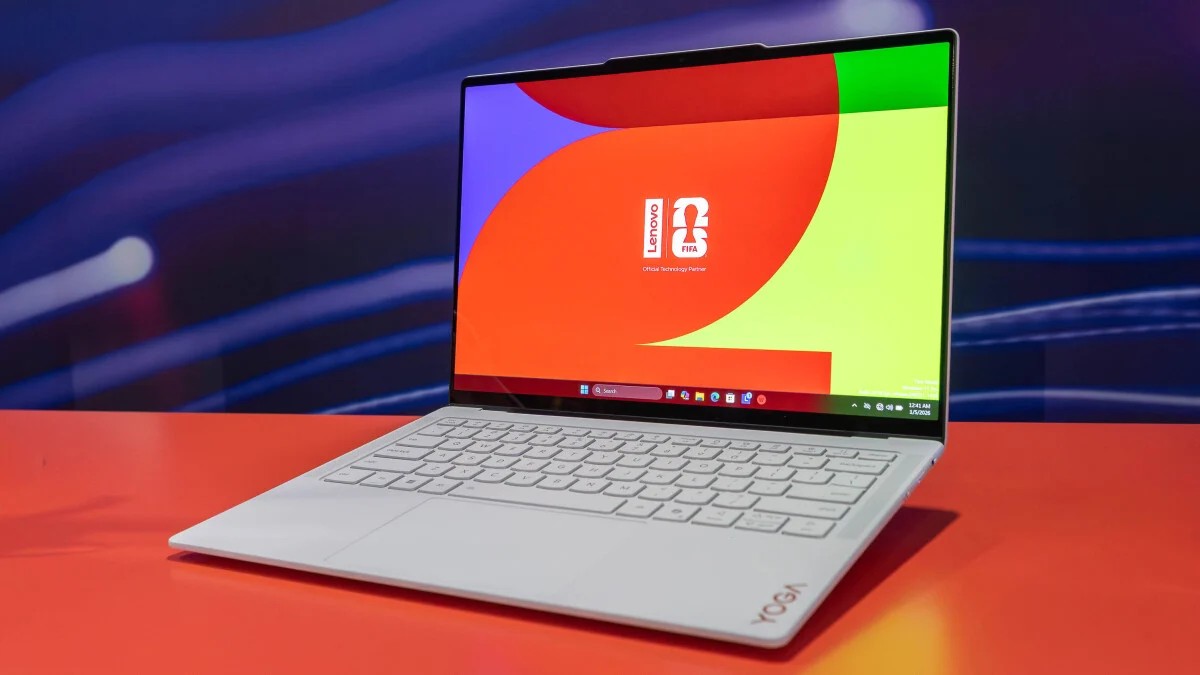
- Lenovo Yoga Slim 7i Ultra Aura Edition : Weighing a mere 2.15 pounds and boasting a 2.8K 120Hz POLED display, this laptop is the lightest encountered at CES, with an estimated starting price of $1,649.
The Challenge: Cost and Availability
Despite the advancements, potential buyers face challenges. The ongoing RAM shortage is expected to drive up costs, making these premium devices even less accessible. Pricing and release dates for many models remain uncertain, leaving consumers in a waiting game.
The trend towards ultra-ultraportable Windows laptops isn’t just about thinner devices; it’s about a fundamental shift in how we approach mobile computing. By prioritizing lightness, battery life, and performance, manufacturers are reshaping the laptop experience for a generation that values freedom and flexibility.