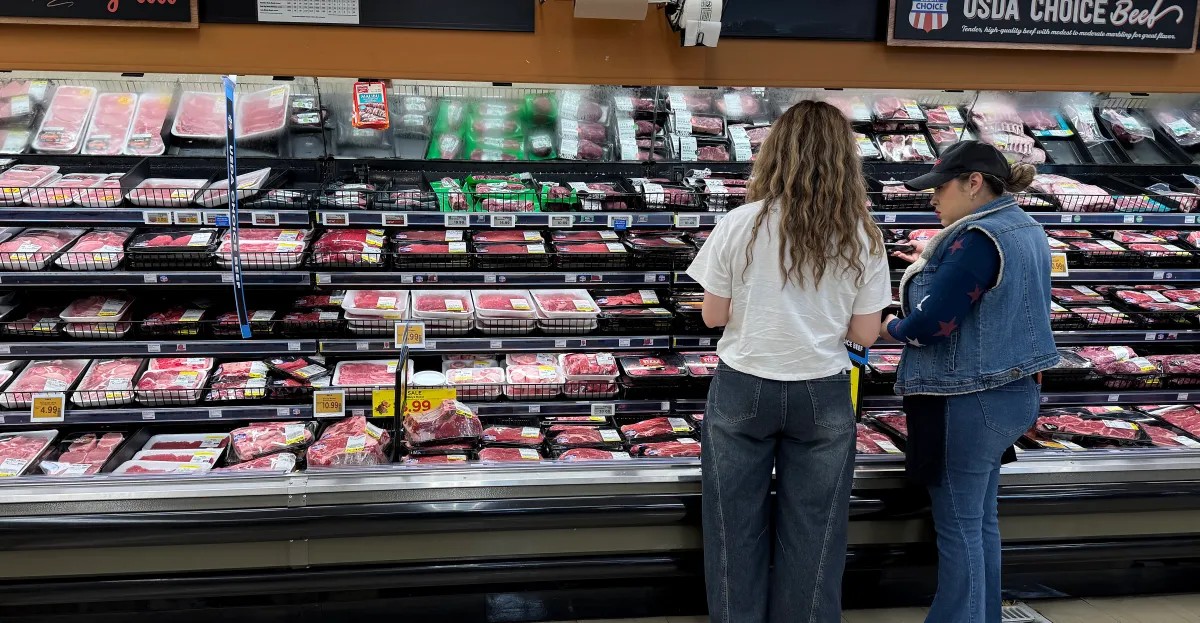
Recent economic data reveals a sharp spike in inflation, driven largely by geopolitical instability in the Middle East. As prices for essentials like fuel and food climb, consumer confidence has plummeted to historic lows, leaving the US economy in a state of uncertainty.
The Inflation Spike and Consumer Sentiment
In March, the US inflation rate climbed to 3.3%, marking a significant jump of nearly one percentage point from February. This represents the fastest rate of increase seen in almost four years.
The impact on the public is immediate and measurable. Preliminary data from the University of Michigan shows that consumer sentiment for April has dropped below 50—the lowest level ever recorded. This decline suggests that the rising cost of living is deeply affecting how Americans feel about their financial future, creating a cycle of economic anxiety.
The Geopolitical Catalyst: The Strait of Hormuz
The primary driver behind these rising costs is the ongoing conflict involving Iran. Since the outbreak of war in late February, Iran has maintained a closure of the Strait of Hormuz, a vital maritime chokepoint for global oil and natural gas supplies.
This disruption has had a direct domino effect on the US economy:
– Energy Costs: US gas prices have surged past $4 per gallon.
– Supply Chain Inflation: The increased cost of transporting energy makes the production and shipping of almost all goods—including food—significantly more expensive.
Why a Ceasefire May Not Provide Immediate Relief
While a fragile ceasefire is currently in place, it has not yet translated into economic stability. Despite pressure from the Trump administration, the Strait of Hormuz remains largely impassable.
The scale of the disruption is evident in shipping data:
– Current Traffic: Since the ceasefire began, only 19 ships have passed through the Strait, including just four tankers.
– Normal Operations: Under standard conditions, the Strait typically sees well over 100 ships transiting daily.
Even if the Strait were to reopen immediately, experts warn that the “rebound effect” will not be instant. According to market analysts, it could take weeks or even months for the global oil supply to stabilize and for prices to reflect a return to normalcy.
The Path Forward: Diplomatic Negotiations
The next critical turning point will occur this weekend in Pakistan, where American and Iranian negotiating teams are scheduled to meet. The goal is to establish a more permanent peace deal that could potentially reopen vital shipping lanes.
However, the diplomatic atmosphere remains volatile. President Trump has maintained a hardline stance, recently stating on Truth Social that the current ceasefire is a window for negotiation rather than a permanent resolution. The outcome of these talks will be the deciding factor in whether the US economy receives a reprieve or faces further inflationary pressure.
The economic stability of the US is currently tethered to the reopening of the Strait of Hormuz; until shipping volume returns to normal, inflation is likely to remain elevated.
Conclusion
The convergence of geopolitical conflict and energy supply disruptions has triggered a sharp rise in inflation and a collapse in consumer confidence. While upcoming diplomatic talks in Pakistan offer a glimmer of hope, the economic recovery depends entirely on the long-term stabilization of the Strait of Hormuz.