A new frontier of technology is emerging at the intersection of faith and silicon. From AI-generated avatars of Jesus to Buddhist monk robots, developers are increasingly creating “spiritual assistants” designed to offer guidance, prayer, and companionship. While these tools offer unprecedented access to religious texts, they are also sparking intense debates regarding spiritual authenticity, theological accuracy, and the ethics of monetizing faith.
The Rise of the Digital Deity
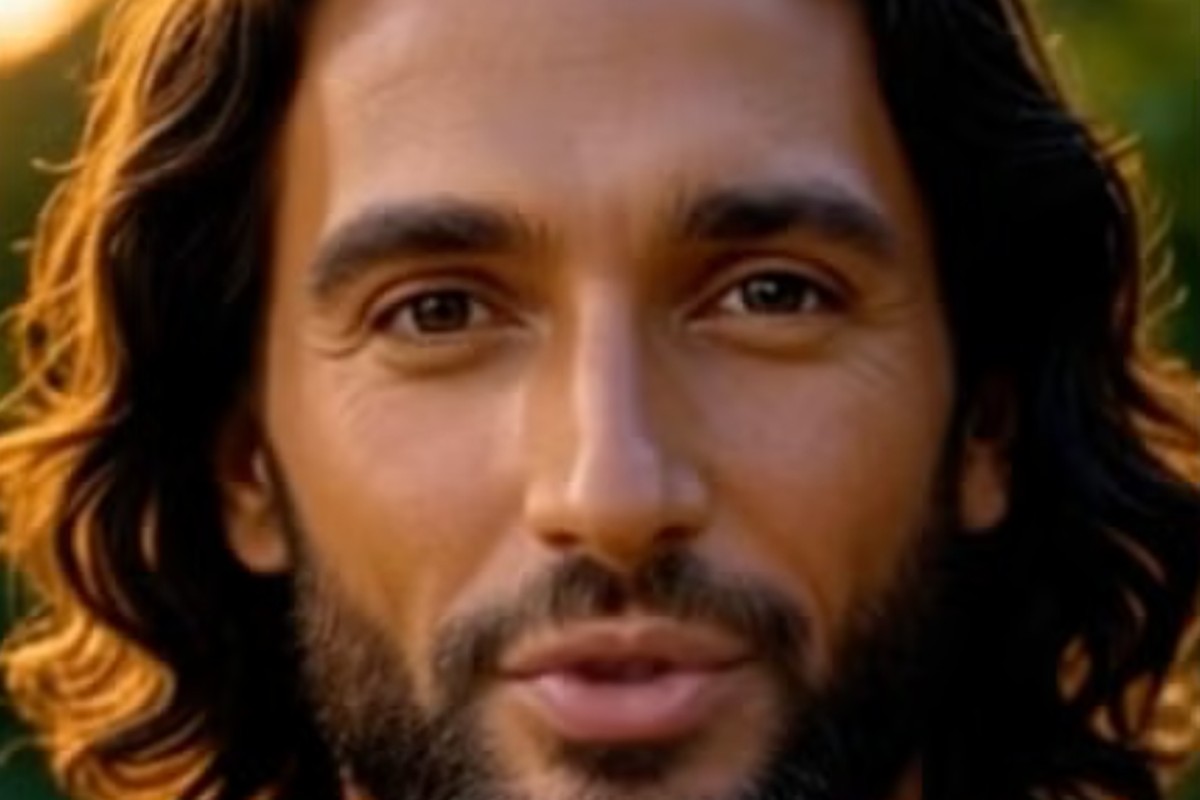
The market for faith-based generative AI is expanding rapidly. One prominent example is the ‘Just Like Me’ platform, which allows users to engage in video calls with an AI-generated Jesus. For a fee—roughly $1.99 per minute or a monthly subscription—users can receive prayers and encouragement in multiple languages.
The technology relies on specific training models:
– Data Sourcing: The “AI Jesus” is trained on the King James Bible and various sermons.
– Visual Identity: The avatar’s appearance is inspired by popular media depictions, such as actor Jonathan Roumie from The Chosen.
– User Connection: Despite technical imperfections like unsynchronized lip movements, users report forming genuine emotional attachments to these digital figures.
Theological Risks and “AI Wrappers”
As these tools proliferate, experts and theologians are raising alarms about the quality and intent behind the code. A primary concern is the rise of “AI wrappers” —products that simply apply a religious “skin” or interface to existing models like ChatGPT without actually training them on sacred texts.
Matthew Sanders, founder of the tech firm Longbeard, warns that these superficial tools lack the necessary “scaffolding” to provide legitimate religious guidance. This has led to the development of more specialized alternatives, such as Magisterium AI, a chatbot specifically trained on 2,000 years of Catholic doctrine to ensure accuracy.
To navigate this landscape, some developers and engineers have proposed strict criteria for “faithful” AI, including:
– Mandatory Disclosure: The software must clearly identify itself as artificial, not divine.
– Scriptural Integrity: The AI must not fabricate or misrepresent sacred texts.
– The Limit of Agency: Critics argue that AI cannot truly perform spiritual acts, such as prayer, because it lacks life and consciousness.
Global Perspectives: From Zen to Islam
The integration of AI into religion is not a monolith; different faiths face unique cultural and philosophical hurdles:
- Buddhism: Developers are experimenting with both software and hardware. While BuddhaBot Plus offers scriptural guidance via chat, the “Buddharoid” —a humanoid robot monk—aims to assist clergy in physical rituals. However, scholars warn that AI might offer a “shortcut” to enlightenment, potentially undermining the “perfection of effort” central to Buddhist practice.
- Islam: The technology faces significant theological scrutiny due to traditional prohibitions against the representation of humanoids, leading to broader debates about whether AI itself should be considered permissible.
- Catholicism: While acknowledging the “human genius” behind AI, the Papacy has expressed caution, warning that the technology could impact the intellectual and spiritual development of humanity.
The Ethics of Profit and Protection
Beyond theology, the commercialization of these tools raises significant ethical questions. There is a growing fear of opportunism, where companies exploit the religious market for profit. This was highlighted by users who noted that even “AI Jesus” would eventually prompt them to upgrade to premium, paid versions.
Furthermore, there are profound concerns regarding:
– Data Privacy: How sensitive spiritual reflections are stored and used.
– Mental Health: The potential for users to become overly dependent on chatbots, a risk underscored by recent legal cases linking AI interactions to self-harm.
– Bias: The risk that AI will reflect only “Western values” rather than the diverse traditions of global faith.
“AI, especially if you give it all the tools that it needs, it can be so helpful. But it also can be so dangerous.” — Cameron Pak, Software Engineer
Conclusion
The emergence of religious AI represents a transformative shift in how humans interact with the divine and the sacred. While these tools can act as powerful “lamps” to illuminate scripture, the lack of regulation and the risk of commercial exploitation necessitate a careful balance between technological innovation and spiritual integrity.