


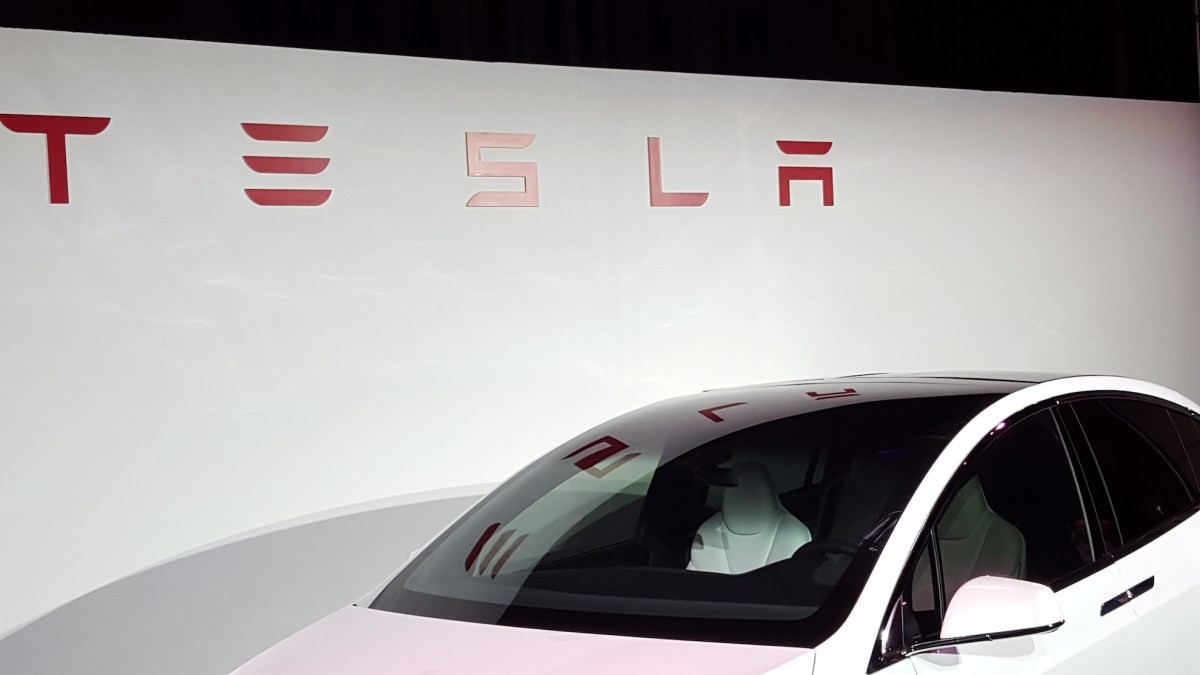
Tesla is phasing out its Model S sedan and Model X SUV, marking the end of an era for two vehicles that once defined the electric car market. CEO Elon Musk confirmed that custom orders are closed, with only remaining inventory available for sale. This move signals a decisive shift in Tesla’s strategy, prioritizing artificial intelligence and autonomous vehicles over traditional car manufacturing.
The Decline of Flagship EVs
Sales of the Model S and Model X have steadily declined since peaking in 2017, overshadowed by the more affordable and high-volume Model 3 and Model Y. Combined sales, including the Cybertruck, fell to 50,850 vehicles in 2025—a fraction of Tesla’s total deliveries of 1.63 million. This decline was inevitable, as Tesla’s focus shifted towards mass-market EVs.
From Luxury to AI: Tesla’s New Direction
Musk abandoned plans for a lower-cost EV ($25,000) in favor of aggressive investment in robotics and autonomous vehicles. Production of the Optimus robot will begin at the Fremont factory after Model S/X production ends. The Cybercab, an all-electric two-seater autonomous vehicle, is slated for production this month in Austin, Texas. This transition reflects Musk’s vision of Tesla as an AI company rather than a traditional automaker.
A Legacy of Disruption
The Model S, launched in 2012, was Tesla’s first high-volume EV and forced legacy automakers to take electric vehicles seriously. The Model X, known for its complex design, later expanded Tesla’s reach to new demographics. These vehicles were critical in establishing Tesla’s brand and paving the way for the Model 3 and Model Y, which propelled the company into the mainstream.
However, Tesla’s growth has stalled, with sales decreasing for the second year in a row. Despite a modest 6% increase in Q1 2026, deliveries remain below analyst expectations. Musk remains confident in the long-term shift towards autonomous technology.
The Cybercab Gamble
The Cybercab is designed as a fully autonomous vehicle without traditional controls like a steering wheel or pedals. This presents significant regulatory hurdles, as current U.S. safety standards require these features. Tesla has not yet sought exemptions from the National Highway Traffic Safety Administration (NHTSA).
Furthermore, the Cybercab’s success hinges on the reliability of Tesla’s Full Self-Driving (FSD) software, which has faced ongoing scrutiny regarding its capabilities. While Zoox, owned by Amazon, has secured exemptions for its driverless robotaxis, Tesla’s path to commercial deployment remains uncertain.
“The vast majority of miles traveled will be autonomous in the future,” Musk stated during an earnings call, anticipating a shift where less than 5% of car miles will be driven manually.
Tesla is betting heavily on this future, but the transition is fraught with technological, regulatory, and logistical challenges. The company’s success will depend on overcoming these obstacles and proving that its AI-driven vision can deliver safe, reliable, and commercially viable transportation.


