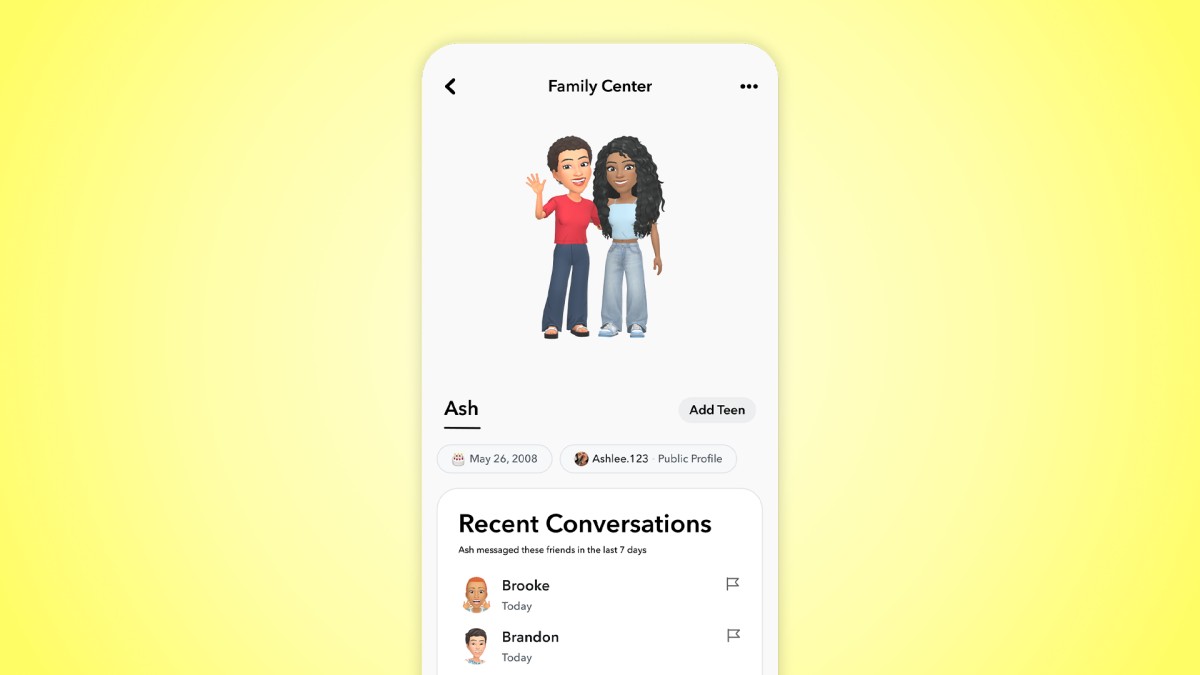
Snapchat is rolling out expanded parental monitoring features following a recent settlement in a lawsuit alleging the platform contributes to addictive behavior and mental health issues among young users. The new tools, available through Snapchat’s Family Center, will provide parents with detailed weekly reports on their teens’ app usage, including time spent, activity types (chatting, photo-taking, Snap Map browsing), and new contact details.
Enhanced Monitoring Capabilities
Parents linked to teen accounts will now see breakdowns of average weekly screen time alongside insights into a teen’s activities. They will also have access to information about new contacts, including mutual friends and the Snap communities a teen joins. These updates build on the Family Center launched in 2022, which already offered features like content restrictions, friend list visibility, and location alerts.
Lawsuit Settlement & Internal Warnings
The rollout comes after Snapchat reached a settlement in a lawsuit filed by a 19-year-old user who argued the app’s algorithm is deliberately designed to be addictive. Court documents revealed that Snapchat employees had previously raised concerns internally about the potential mental health risks to young users. This case echoes similar legal challenges faced by Meta, YouTube, and TikTok, all accused of insufficient safeguards for minors.
“Family Center is designed to reflect the dynamics of real-world relationships by providing visibility into what teens are doing and allowing parents to adjust key settings, without showing the content of their private conversations.” – Snap in a press release.
Broader Industry Response
Snapchat’s response aligns with a broader industry trend. The platform has supported the 2025 Take It Down Act, aiming to provide legal pathways for victims of non-consensual intimate imagery and deepfakes. Additionally, Snapchat has partnered with organizations like the National Center on Sexual Exploitation (NCOSE) and the National Center for Missing and Exploited Children (NCMEC).
The increased parental controls reflect a growing pressure on social media companies to address concerns about teen mental health and online safety. The settlement underscores the legal and ethical risks of platforms designed to maximize engagement at the expense of user well-being.