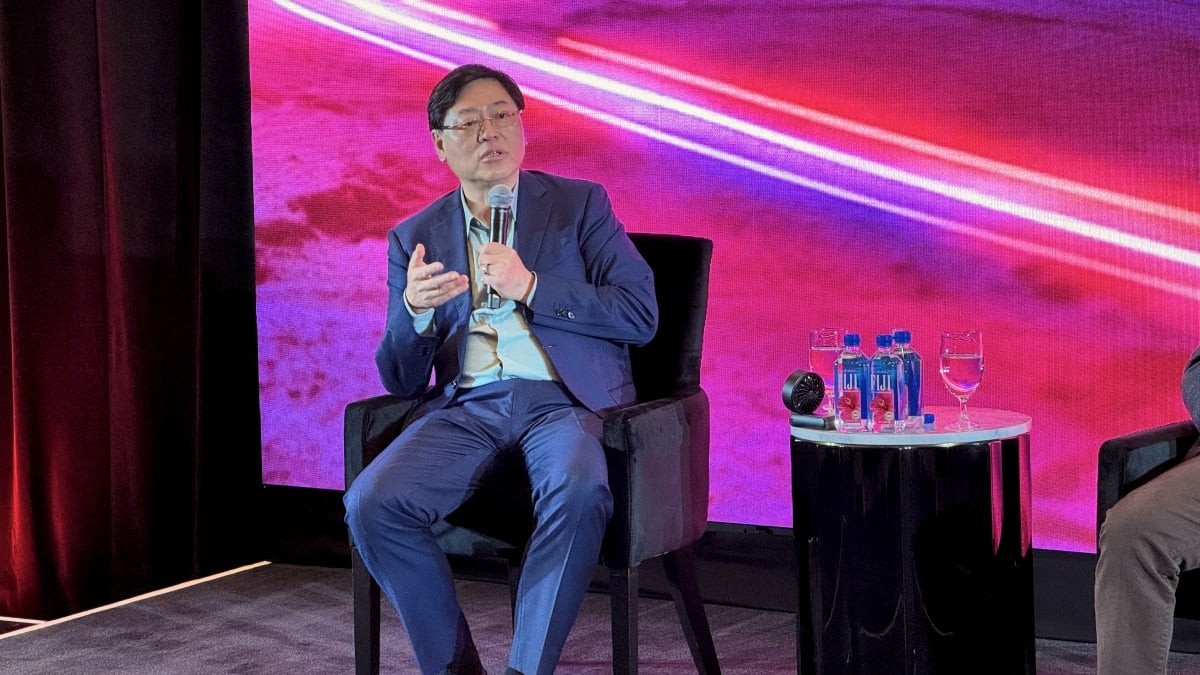
At this year’s Consumer Electronics Show (CES) in Las Vegas, Lenovo CEO Yang Yuanqing delivered a blunt message to those wary of artificial intelligence: “Nobody can avoid it.” The assertion came during a keynote event showcasing Lenovo’s aggressive push into AI-integrated devices, including the Qira personal AI assistant, AI-powered laptops, and even experimental AI wearables like the “Project Maxwell” concept.
The dominance of AI at CES 2026 signals a broader trend. Companies are rapidly embedding AI into everyday objects—from smartphones and TVs to washing machines—creating a vision of an increasingly automated future. This isn’t just about convenience; it’s about reshaping how technology interacts with human life.
The Question of Choice
Despite assurances from Lenovo’s leadership that participation in the AI ecosystem is voluntary, the reality is more complex. Lenovo CTO Tolga Kurtoglu insists that users can “opt in” to benefit from AI, but the company projects that AI PCs will comprise 70% of the global market by 2028. This suggests that declining AI integration may soon become impractical.
The disconnect between industry optimism and consumer sentiment is notable. Recent CNET surveys show that only 11% of smartphone users upgrade primarily for AI features. The gap between hype and demand raises questions about whether the current AI surge is driven more by corporate strategy than consumer desire.
Dismissing Bubble Concerns
Yang Yuanqing dismisses the idea of an AI bubble, arguing that demand is “just beginning” and will only accelerate as enterprises leverage data for intelligence generation. This confidence suggests that Lenovo views AI not as a passing trend but as a foundational shift in technology, comparable to the rise of the internet or mobile computing.
Responsible AI: A Balancing Act
While pushing AI aggressively, Lenovo emphasizes its commitment to “responsible AI development,” citing strict internal processes and adherence to global privacy and security regulations. However, the increasing ubiquity of AI raises ongoing concerns about data collection, algorithmic bias, and the erosion of individual control over personal information.
In conclusion, Lenovo’s leadership views AI as an inescapable force in modern technology. Whether this vision reflects consumer reality remains to be seen, but the company’s aggressive push underscores the growing pressure to adapt to an AI-driven future.