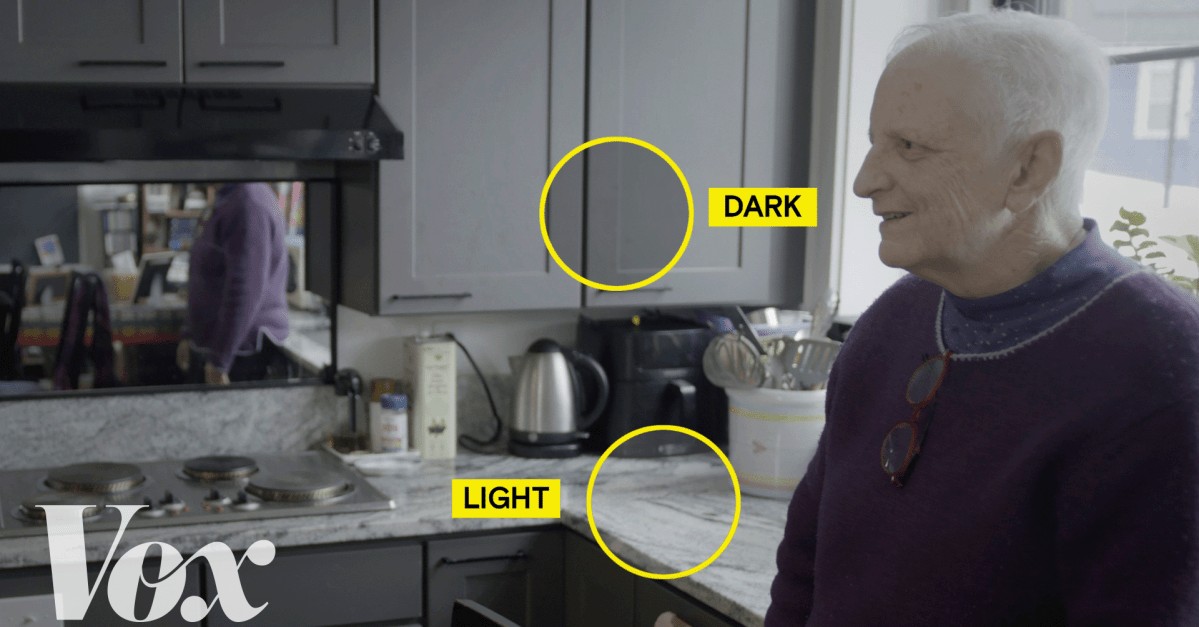
Senior living facilities stand to gain significantly from thoughtful design choices. This isn’t just about aesthetics; it’s about creating spaces that support the physical, cognitive, and emotional wellbeing of older adults.
The Importance of Adaptability
Many senior living environments were built decades ago, before our understanding of age-related needs was as advanced. Older structures often lack features like wide doorways for mobility aids, adequate lighting to prevent falls, or easily navigable layouts for residents with cognitive decline.
Effective design goes beyond simple accessibility. It considers the psychological impact of space: reducing institutional feelings, promoting social interaction, and encouraging independence. For instance, common areas that feel more like home than hospital waiting rooms can improve morale and reduce isolation.
Emerging Trends in Senior Living Design
Several key trends are shaping the future of senior care facilities:
- Biophilic Design: Integrating natural elements like plants, sunlight, and views of nature can reduce stress and improve mood. Studies show that even looking at natural scenes can lower blood pressure.
- Memory Care Focus: Dedicated memory care units are increasingly designed with calming colors, minimal clutter, and wayfinding cues to reduce confusion and agitation in residents with dementia.
- Technology Integration: Smart home features, like voice-activated lighting and automated medication dispensers, can enhance safety and independence.
- Community-Centric Layouts: Moving away from long corridors and sterile rooms toward smaller, more intimate clusters of living spaces encourages social connection.
The Human Cost of Poor Design
Poorly designed senior living spaces can have severe consequences. Falls are a leading cause of injury and death among older adults, and inadequate lighting or slippery floors contribute significantly. Isolation, caused by uninviting common areas or poorly planned layouts, can lead to depression and cognitive decline.
The financial burden of neglecting design is also substantial. Hospitals and emergency rooms treat countless injuries from preventable accidents in senior living facilities. Investing in thoughtful design now reduces long-term healthcare costs and improves quality of life.
Looking Ahead
The demand for senior living will only increase as populations age globally. Design innovation must keep pace with these demographics. This means prioritizing resident wellbeing, embracing new technologies, and learning from successful models worldwide.
By focusing on smart design, we can transform senior living facilities into places where older adults thrive, not simply survive.