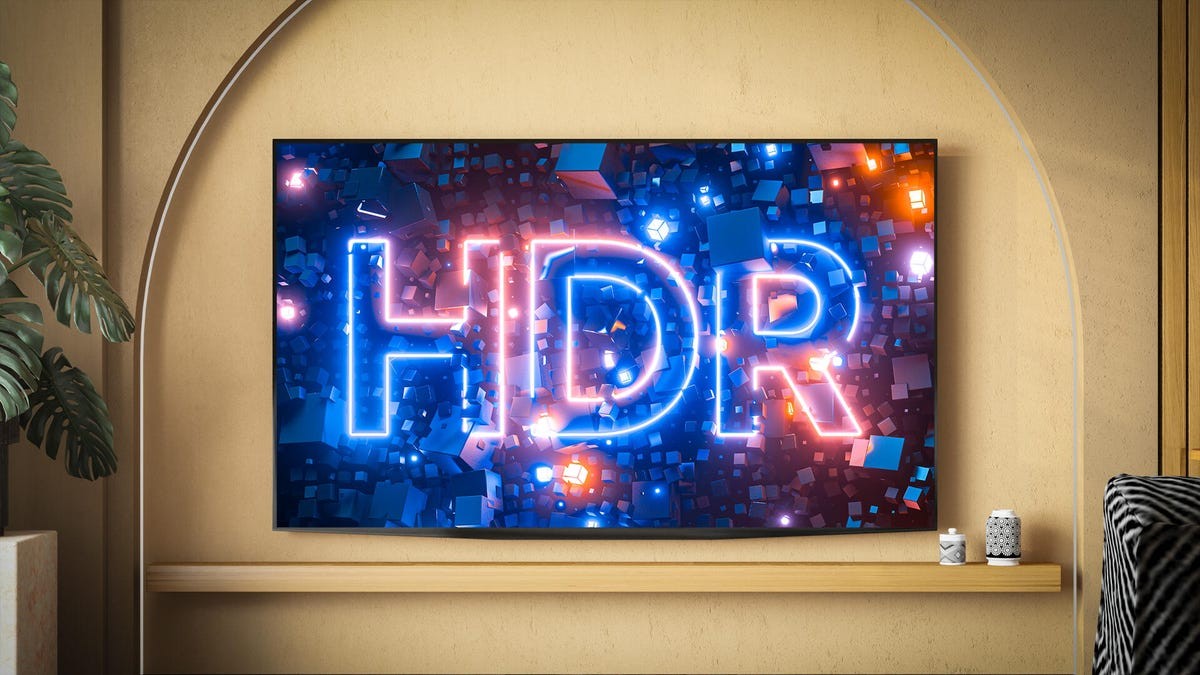
Most modern televisions now support High Dynamic Range (HDR) video, and for good reason: HDR content almost always looks better than standard video. However, understanding the different HDR formats can be confusing. While a display’s ability to handle the extra data varies, the core benefit is a wider range of detail in both bright and dark areas, creating a more vibrant and immersive picture. Let’s break down the main formats you’ll encounter: Dolby Vision, Dolby Vision 2, HDR10, HDR10 Plus, and HLG.
The Core Principle: Why HDR Matters
Before diving into the formats, it’s crucial to understand why HDR makes a difference. Traditional video, now referred to as Standard Dynamic Range (SDR), limits the range of colors and brightness a TV can display. HDR expands this range, allowing for more realistic highlights, deeper blacks, and richer colors. This is why HDR content looks more “punchy” and vibrant than SDR.
The key takeaway : The quality of the TV itself and how well the content is mastered for HDR often matter more than the specific format used. Just because one TV supports a “better” format doesn’t guarantee a better viewing experience.
HDR10: The Universal Baseline
HDR10 is the most widely supported HDR format, found on nearly every HDR-capable TV and streaming device. It’s free for manufacturers to implement, making it a default standard. While HDR10 offers a significant improvement over SDR, its main limitation is static metadata. This means the same HDR settings are applied to the entire movie or show, regardless of scene brightness.
Think of it like this: a single lighting setting for an entire play, even though some scenes call for bright spotlights and others for dim shadows. It works, but it’s not optimal.
HDR10 Plus: Adding Dynamic Control
HDR10 Plus builds on HDR10 by introducing dynamic metadata. This allows the content to adjust the HDR settings on a scene-by-scene (or even frame-by-frame) basis, maximizing the picture quality for every moment. While it requires licensing fees for manufacturers, it’s cheaper than Dolby Vision. Samsung heavily champions this format, meaning you’re unlikely to see it on LG TVs. However, several other brands, including TCL and Hisense, support it.
Dolby Vision: The Premium Option
Dolby Vision is often considered the most advanced HDR format. Like HDR10 Plus, it uses dynamic metadata for scene-by-scene optimization. Dolby also helps manufacturers tune their TVs for better performance with Dolby Vision content. However, Dolby charges licensing fees, making some manufacturers, like Samsung, prefer alternative formats.
A newer version, Dolby Vision 2, adds optional features like motion smoothing and “content intelligence” that adjusts the TV based on ambient light. While controversial (some purists dislike motion smoothing), it’s backward-compatible with existing Dolby Vision TVs.
HLG: Broadcast-Friendly HDR
Hybrid Log Gamma (HLG) was developed by the BBC and NHK for broadcast television. Its key advantage is backward compatibility with SDR TVs, allowing broadcasters to deliver HDR content without excluding viewers with older sets. Picture quality isn’t always the best, but its broadcast-friendly nature makes it valuable.
Advanced HDR by Technicolor: A Niche Player
Technicolor’s Advanced HDR (including SL-HDR1, 2, and 3) offers various approaches, including backward compatibility and dynamic metadata. However, it hasn’t achieved widespread adoption and remains largely limited to NextGenTV broadcasts.
The Bottom Line: What You Need to Know
The most important thing is that any HDR looks better than SDR. If you’re buying a new TV, prioritize models that support Dolby Vision or HDR10 Plus for optimal dynamic metadata. The good news is that most new shows, movies, and games now include HDR in some form.
Ultimately, the best HDR experience depends on a combination of a capable TV and well-mastered content. Don’t get too hung up on the specific format; focus on overall picture quality and ensuring your TV supports at least one of the dynamic metadata options.