Artificial intelligence continues to drive rapid advances in robotics, with machines now demonstrating capabilities previously confined to science fiction. This year marked a pivotal moment as robots moved beyond factory floors and into arenas, homes, and even potential emotional companionship. The trend is clear: automation is not just about efficiency; it’s about replication of human abilities.
Robotic Sports: A New Era of Competition
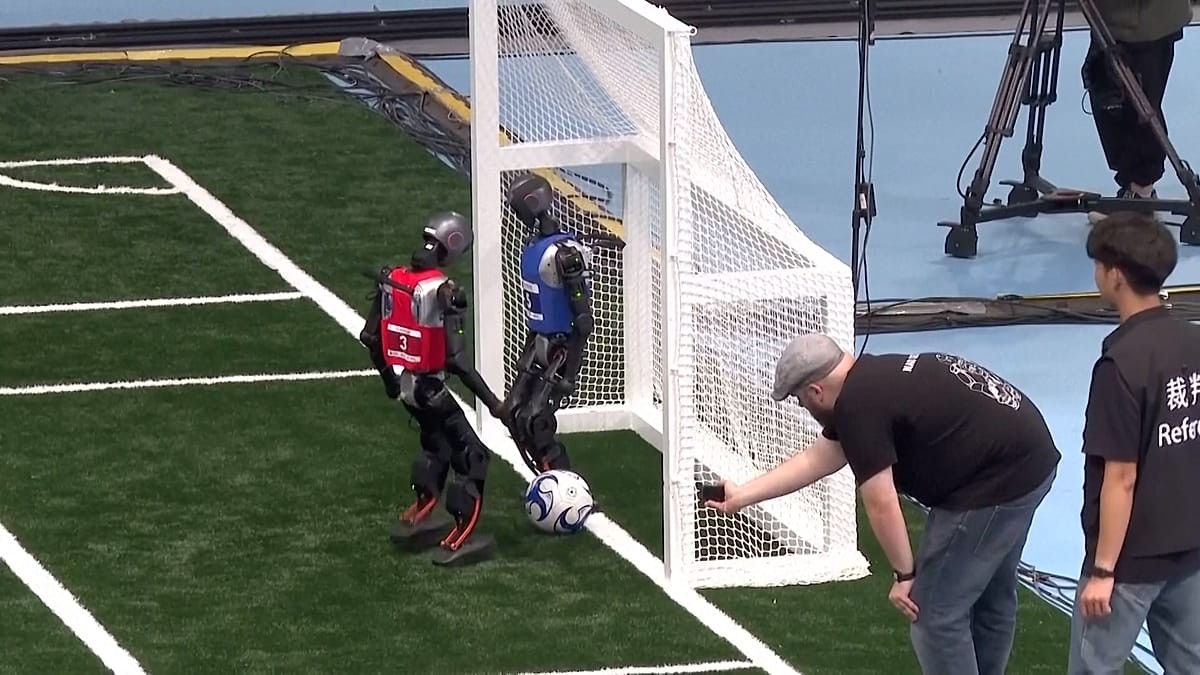
The most visible sign of this progress came with the inaugural World Humanoid Robot Games in Beijing. Sixteen nations, including Germany and Italy, fielded teams in events like football, running, and boxing. The Chinese manufacturer Unitree Robotics emerged victorious in the 4×100-meter relay, finishing in one minute and 48 seconds.
“Our biggest win is showing everyone the charisma of our mass-produced robots,” said Gao Yuan, Marketing Manager of Unitree Robotics. This highlights a shift: robotics is no longer just about function, but about public perception and industry growth.
The International Humanoid Olympiad in Greece further showcased robotic agility with displays of dancing, archery, and even parkour-like stunts. These events aren’t just demonstrations; they’re milestones indicating that robots are closing the gap in physical dexterity.
Next-Generation Robots: Enhanced Autonomy and Interaction
Chinese tech firm XPeng launched its second-generation humanoid robot, IRON, featuring a human-like spine, bionic muscles, and full soft-skin coverage. Powered by three self-developed Turing AI chips with 3,000 TOPS of computing power, IRON can make autonomous decisions. XPeng plans to deploy these robots in service roles as early as next year.
Meanwhile, Las Vegas-based Realbotix is developing robots like Aria, which use generative AI to create human-like interactions.
“Some, like ours, are going to be more geared towards actually interacting with people, creating something resembling a relationship,” stated Matt McMullen, Realbotix founder. This raises questions about the future of companionship and whether robots will fill emotional voids for humans.
The company’s focus on relationship-building suggests a future where AI-powered robots become increasingly integrated into personal lives.
Practical Applications: From Coffee to Elderly Care
Beyond entertainment and companionship, robots are also excelling at practical tasks. Panbotica can brew barista-quality coffee using machine vision, while 4NE1, developed by Neura Robotics, can sort laundry.
Neura Robotics positions its robots as companions for the elderly.
“We want to let people stay longer at home without being pushed into care,” said David Reger, CEO of Neura Robotics. This speaks to a growing need for automated assistance in an aging population.
Another robot, Romi, offers emotional support through AI-powered conversations, targeting loneliness. These developments suggest a future where robots address not just physical needs, but also emotional ones.
In 2025, robots have transcended the laboratory and entered mainstream society. The convergence of AI, robotics, and emotional engineering suggests that the line between human and machine will continue to blur, raising ethical and societal questions that demand attention. The current trajectory points toward a future where robots are not just tools, but integrated members of our lives.