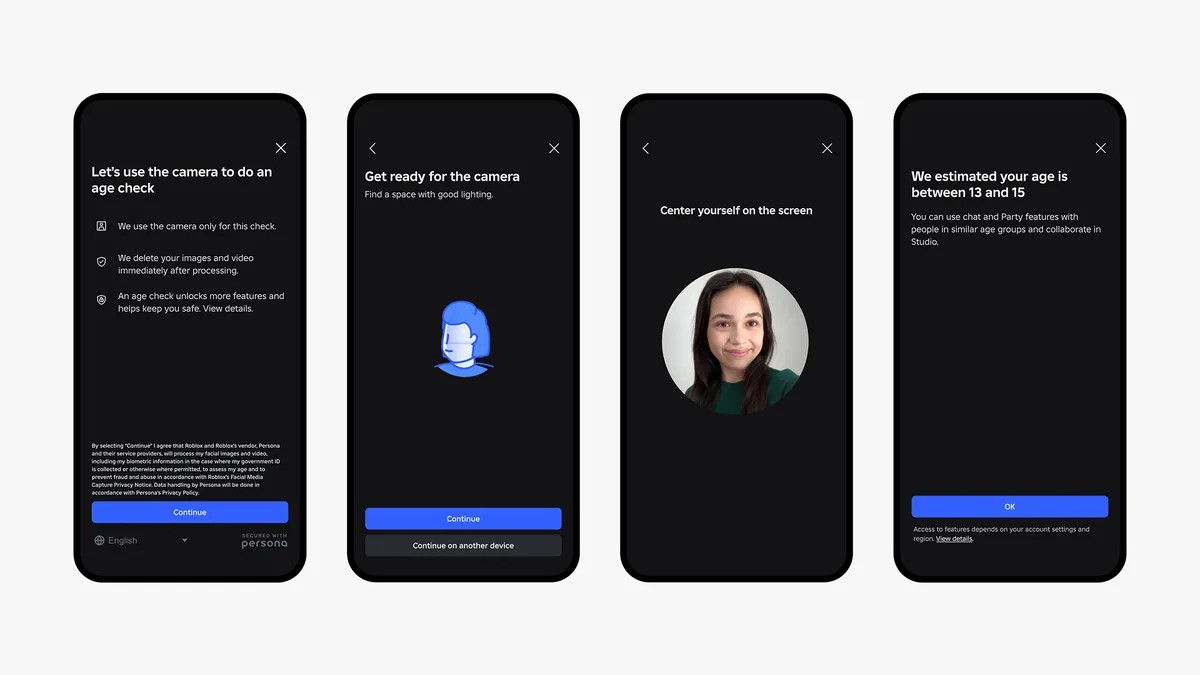
Roblox, the popular online gaming platform, has begun enforcing mandatory age verification for all users engaging in chat features. This move follows sustained criticism regarding child safety on the platform, which currently boasts approximately 380 million monthly active users. The new requirements apply globally, including the United States, and are being rolled out over the next week.
Why Age Verification Now?
The shift comes as Roblox faces mounting pressure from regulators and lawsuits alleging sexual abuse and exploitation of minors on the platform. Several states, including Florida, Texas, and Kentucky, are actively investigating or pursuing legal action against the company. The pressure is significant: a California judge recently rejected Roblox’s attempt to move one of these suits into private arbitration.
The core issue is that Roblox has historically struggled to prevent interactions between adults and children, which advocates say is a systemic problem. This isn’t a new challenge; the platform’s popularity creates more opportunities for predators, making robust safety measures essential.
How the New System Works
Roblox uses third-party software, Persona, to perform age estimation. Players are prompted to upload a short 3D scan of their face via webcam or mobile camera. The system then estimates their age, grouping users into categories: under 9, 9–12, 13–15, 16–17, 18–20, or 21+. Roblox claims it deletes captured images immediately after verification.
Those under 9 will not be allowed to chat without parental consent. While age groups are used for segmentation, Roblox states that players “can chat only with peers in their group or similar groups, as appropriate.” The company insists this isn’t facial recognition, only an age estimation tool.
Industry Response and Debate
Roblox positions itself as a leader in platform safety, claiming to be the first gaming platform to require facial age checks for chat access. Twitch is also introducing age-verification features in England, but Roblox has moved faster and more broadly.
Experts are divided on whether these changes go far enough. Some see the new tools as a step forward, while others argue they don’t address the underlying systemic issues.
“Roblox’s new age-verification tools are encouraging, but from a parenting standpoint, they’re just one part of the safety puzzle,” says Scott Kollins, a clinical psychologist.
Parental involvement remains crucial; no technology alone can guarantee complete safety.
The Broader Context
This move is partly damage control. Roblox hopes to rebuild trust and mitigate legal risks. The company’s legal battles are ongoing, and settling lawsuits may be unavoidable.
Anna Lucas, an online safety supervisor at Ofcom, the British regulator, said, “We’re pleased that children will be better protected from harmful material and predators on Twitch and Roblox. Under the UK’s online safety laws, platforms must now take steps to keep kids safe, and we’re ensuring they meet their responsibilities.”
What Remains to Be Seen
The long-term impact of these changes is uncertain. Some experts advocate for independent audits, stricter default parental controls, and a fundamental “safety by design” overhaul. For Roblox, the challenge isn’t just implementing features but proving they work, rebuilding trust, and navigating ongoing legal scrutiny.
The platform’s future hinges on sustained commitment to child safety, not just temporary fixes.