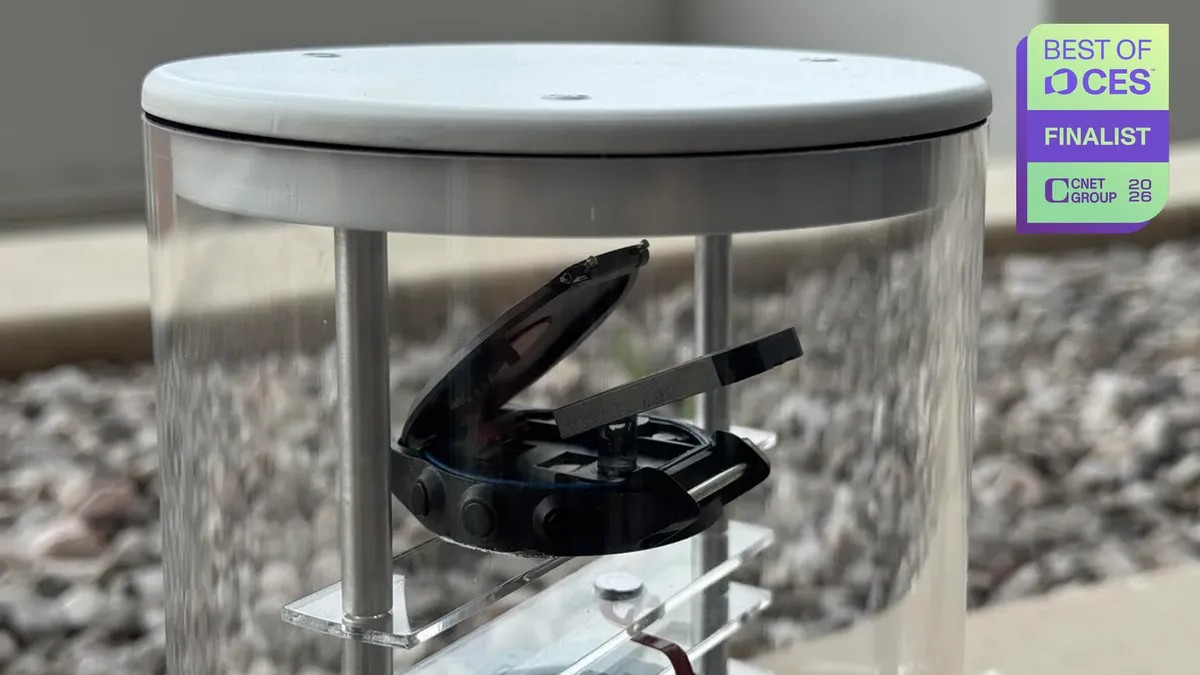
The trend toward right-to-repair legislation is pushing tech manufacturers to rethink how they design products. While larger devices like laptops are becoming more repair-friendly, many companies claim that smaller wearables, such as smartwatches, are too complex for at-home fixes. A new concept unveiled at CES 2026 proves this assumption wrong.
Cambridge Consultants’ “Ouroboros” Concept
Cambridge Consultants, a British research firm, showcased a smartwatch design called “Ouroboros” that prioritizes user repairability without sacrificing aesthetics or usability. The goal is to demonstrate to major tech companies that sustainability and product longevity can be business advantages, not drawbacks.
As Matt White, head of sustainable design at Cambridge Consultants, noted, “Consumers are demanding more from brands when it comes to sustainability.” This pressure, combined with growing environmental concerns, makes repairability a key factor in the future of tech.
Why Repairability Matters
The longer consumers can use existing tech – through repairs or refurbishment – the less electronic waste accumulates and the lower the demand for new mineral extraction. The current “throwaway” model of consumer electronics is unsustainable, and designing for repair is a crucial step toward a circular economy.
How the Ouroboros Design Works
The Ouroboros concept uses the Garmin Fenix 7 as a baseline, ensuring the design remains practical rather than purely theoretical. The key improvements include:
- Easy Battery Access: The battery is directly accessible under the rear cover.
- Waterproof Hinge Mechanism: A hinge allows for simple opening without compromising the watch’s waterproofing.
- Diagnostic Test Pins: Integrated pins under the battery allow for quick troubleshooting, even during professional repairs.
These features demonstrate that even in a compact device, repairability can be built in from the start.
The Ouroboros concept is a direct challenge to established tech companies. It shows that sustainability and longevity aren’t just buzzwords – they’re achievable design goals with real-world benefits.
The industry now faces a choice: adapt to consumer demand for repairable products or continue contributing to the growing global e-waste crisis.