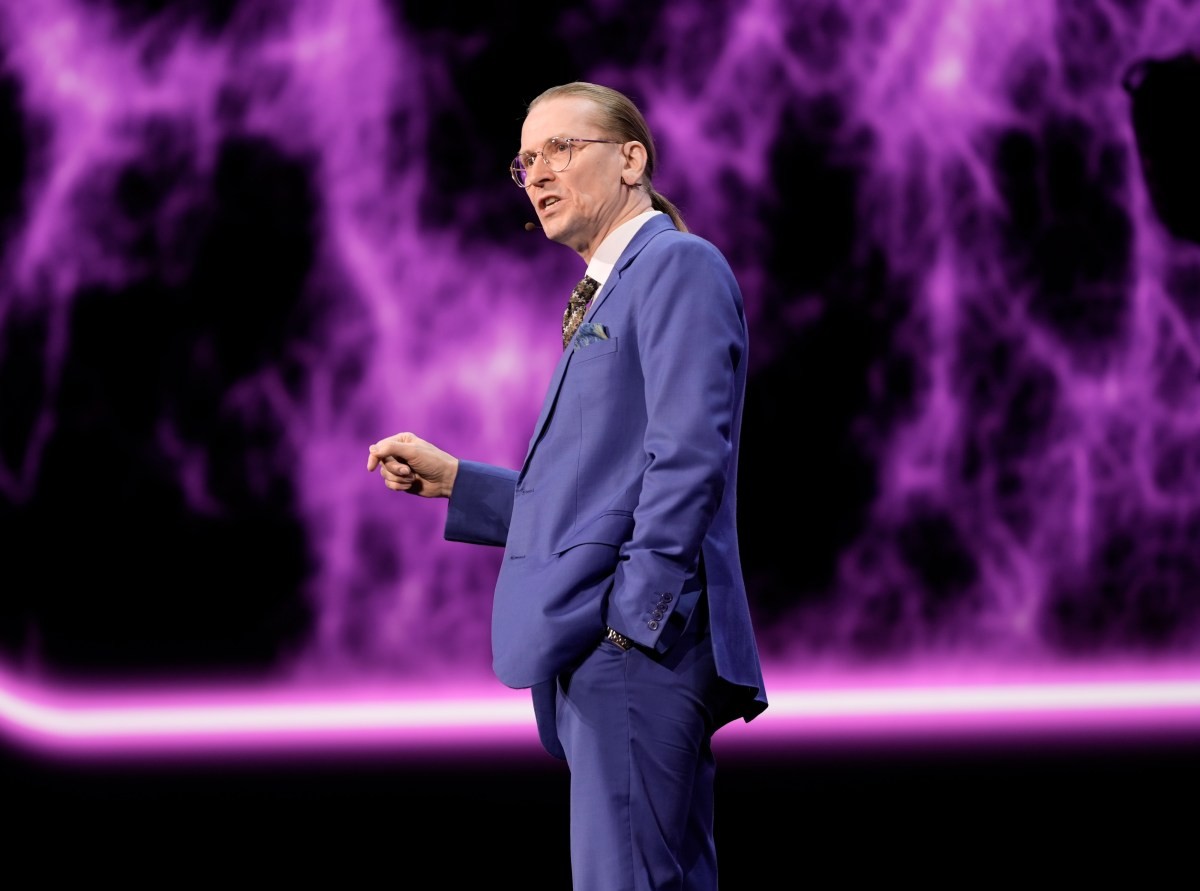
For over three decades, Mikko Hyppönen has been at the forefront of battling digital threats. Now, this long-standing cybersecurity expert is redirecting his expertise toward a rapidly evolving battlefield: drone warfare. The shift comes as unmanned aerial systems become increasingly prominent in modern conflicts, particularly highlighted by the ongoing war in Ukraine.
From Viruses to Drones: An Evolving Threat Landscape
Hyppönen’s career began in the late 1980s when “malware” was still a nascent term. He cut his teeth reverse-engineering software, learning to bypass anti-piracy measures on early home computers. Over the years, he’s analyzed countless malware strains, witnessing the evolution from simple viruses spread via floppy disks to sophisticated ransomware and state-sponsored cyberattacks.
The fundamental challenge remains the same: asymmetry. Defenders win when nothing happens, but victories are invisible. Failures, however, are loud and damaging. This dynamic has driven Hyppönen’s career, but he recognizes that certain areas of cybersecurity have matured. Modern smartphones, for example, are remarkably secure, making exploits prohibitively expensive for all but the most well-resourced actors.
Geopolitical Context Drives New Priorities
The catalyst for Hyppönen’s move into counter-drone technology is the escalating geopolitical tension between Russia and Finland. Living just two hours from the Russian border, he witnessed firsthand the devastating impact of drones in Ukraine, where they have become a primary weapon. Given Finland’s history with Russia, Hyppönen views drone defense as a critical national security priority.
“The situation is very, very important to me,” he states. “It’s more meaningful to work fighting against drones, not just the drones that we see today, but also the drones of tomorrow.”
The Parallels Between Cybersecurity and Drone Warfare
The transition isn’t as radical as it seems. Both fields rely on identifying patterns and exploiting vulnerabilities. In cybersecurity, this means detecting malware signatures and blocking malicious code. In drone warfare, it means identifying radio frequencies and jamming control signals. Hyppönen’s company, Sensofusion, is developing systems to locate and neutralize drones by analyzing their communication protocols – essentially applying cybersecurity principles to a physical threat.
The core tactic is signature-based detection: recording drone frequencies (IQ samples) to identify and block unauthorized devices. Exploiting vulnerabilities can also cause drones to malfunction and crash. Hyppönen notes that the drone world is often easier to penetrate because a single vulnerability can be immediately exploited.
The Enduring Cat-and-Mouse Game
The adversarial relationship is constant: defenders learn, attackers adapt, and the cycle repeats. Hyppönen’s career has been defined by this dynamic. The enemy has also remained consistent. Having spent years battling Russian malware, he now finds himself countering Russian drone attacks.
“I spent a big part of my career fighting against Russian malware attacks,” he said. “Now I’m fighting Russian drone attacks.”
The core principle remains unchanged: adapt or be overrun. Hyppönen’s shift to counter-drone warfare is not a departure from his life’s work but an extension of it, applied to the next frontier of conflict.