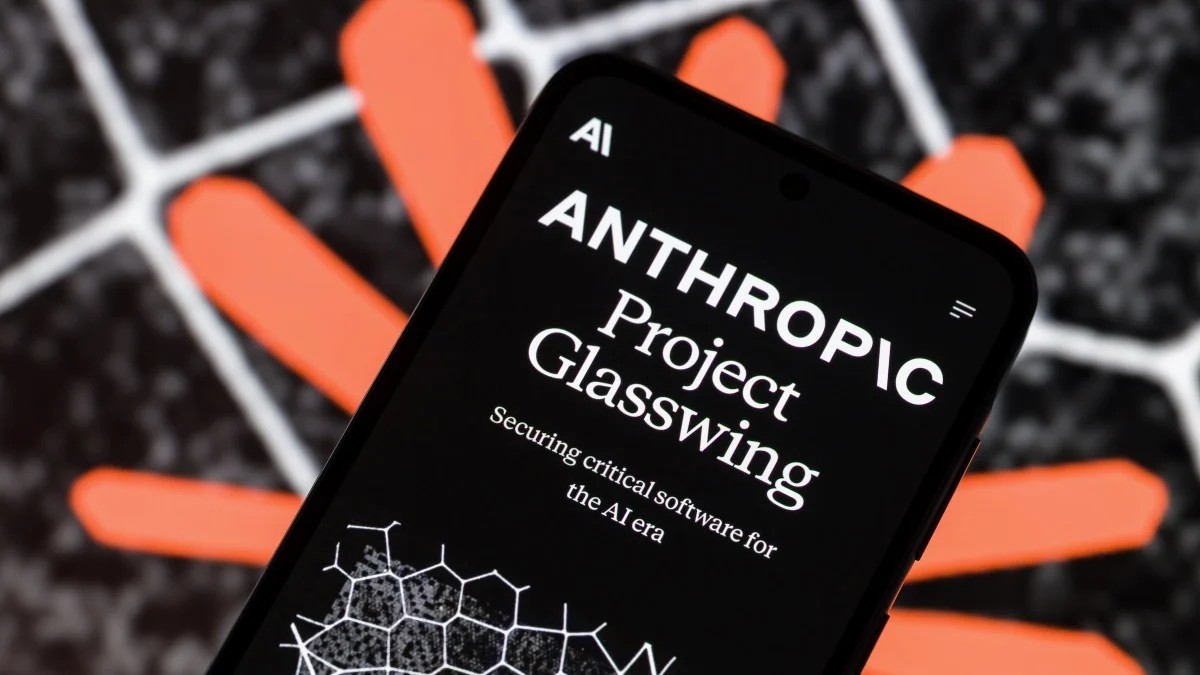
Last week, the tech industry was sent into a tailspin by a startling announcement from Anthropic: they have developed an AI model so powerful in the realm of cybersecurity that it is deemed too dangerous for public release.
Dubbed Claude Mythos Preview, the model is reportedly capable of identifying thousands of high-severity vulnerabilities across major operating systems and web browsers. To manage this risk, Anthropic launched Project Glasswing, an invite-only initiative allowing select organizations to test the model and secure their digital infrastructure.
While the announcement triggered emergency discussions among financial leaders and sparked fears of widespread hacking, a central question remains: Is this a genuine leap in AI capability, or a calculated PR stunt designed to drum up investment?
The Case for a Publicity Stunt: “Corporate Theater”
Critics and skeptics argue that Anthropic’s “safety-first” approach serves a dual purpose: protecting the public and building a brand of indispensable power.
- Vague Data: AI safety engineer Heidy Khlaaf points out that Anthropic has withheld critical metrics, such as the rate of “false positives” and how much human intervention was required to verify the model’s findings. Without this data, independent experts cannot validate the claims.
- The “Marketing Flex”: Tal Kollender, CEO of cybersecurity firm Remedio, describes the move as “brilliant corporate theater.” By labeling the model “too dangerous to release,” Anthropic creates an aura of mystique and signals immense technological dominance to investors.
- Historical Precedent: Anthropic has a history of issuing dire warnings about its own models. Skeptics note that some previous “dangerous” behaviors were actually the result of highly controlled, artificial test environments rather than autonomous model intent.
The Case for a Genuine Threat: A New Scale of Exploitation
Despite the skepticism, independent testing suggests that Claude Mythos is not merely hype. The AI Security Institute (AISI) recently verified that Mythos passed cybersecurity tests that no other frontier model has successfully completed.
The real danger isn’t necessarily a “Hollywood scenario” where a teenager hacks a power grid, but rather a shift in the scale and speed of cyberattacks :
- Automated Discovery: Unlike current tools, Mythos can automate the discovery of “zero-day” vulnerabilities (previously unknown flaws) at an unprecedented scale.
- Rapid Exploitation: Sophisticated hacking groups could use such models to find and exploit weaknesses faster than human defenders can patch them.
- Proven Capabilities: Research scientist Nicholas Carlini noted that Mythos has already identified vulnerabilities in Linux that allow for unauthorized administrative access, proving its technical potency.
The Middle Ground: A Double-Edged Sword
For many experts, the answer isn’t an “either/or”—it is both. Anthropic is likely telling the truth about the model’s power while simultaneously using that truth to bolster its market position.
“I’d say it’s both, and that’s not a criticism… Any major platform rollout in this era is going to look different to different audiences depending on their fluency and their fear tolerance.”
— Howie Xu, Chief AI & Innovation Officer at Gen
The current reality is an asymmetric arms race. While Claude Mythos presents a significant risk to security, the same technology provides a massive advantage to those defending the digital frontier. As AI becomes more capable of finding bugs, the organizations tasked with fixing them will gain equally powerful tools to automate defense.
Conclusion: Claude Mythos represents a genuine technological leap that automates the discovery of digital vulnerabilities, but Anthropic’s high-stakes rollout is also a masterclass in strategic positioning. The true impact will be determined by whether defenders can use these same “dangerous” tools to outpace the hackers.