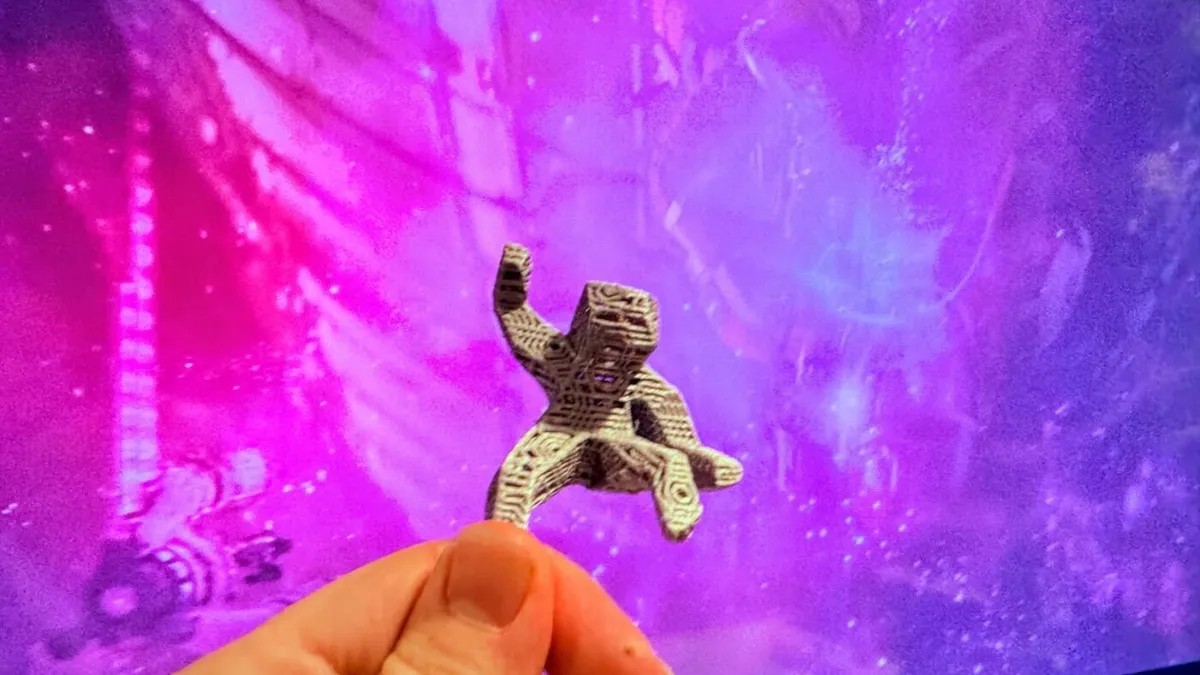
Project Hail Mary isn’t just a critically acclaimed sci-fi film; it’s a case study in how movie studios can engage fans in a uniquely exciting way. The filmmakers have released a 3D-printable model of a stylized spaceman from the movie, a move that resonates strongly with the maker community and signals a promising trend for film promotion.
Why This Matters
The act of releasing digital files for physical creation is more than just a gimmick. It taps into a growing segment of fans who enjoy building, customizing, and sharing their own creations. This isn’t new; Paramount previously released a 3D model for Transformers: Rise of the Beasts, and Markiplier even designed a 3D-printable haunted popcorn bucket for theaters. But Project Hail Mary stands out because the model is directly tied to a meaningful in-universe object.
The spaceman isn’t just a random collectible; it’s a prop with narrative significance, given to the protagonist to aid in visualization. This makes it more appealing to fans who want a deeper connection to the movie’s world.
The Maker Community Response
The response has been overwhelmingly positive. Makers are already printing the model using various filaments, including silver silk PLA, and experimenting with finishes like rusted iron to enhance the alien aesthetic. The process is straightforward, taking around four hours on machines like the Bambu Lab H2D with minimal support structures.
This demonstrates how easy it is for studios to deliver engaging content to a dedicated audience. VFX designers frequently create detailed 3D models during production, and many of these could be repurposed for fans with minimal effort.
The Business Case
Sharing these files isn’t just about fan service; it’s smart marketing. The maker community is highly active online, sharing projects, reviews, and recommendations. Providing printable models generates organic buzz and extends the movie’s reach beyond traditional channels.
Fans who build and display these props become walking advertisements, spreading awareness through social media and real-world interactions. The cost to the studio is minimal – essentially just the bandwidth to host the files – while the potential reward is significant.
Project Hail Mary proves that digital-physical integration can be a win-win. If more studios follow suit, we could see a surge in unique promotional items that deepen fan engagement and transform movie marketing from passive consumption to active participation.