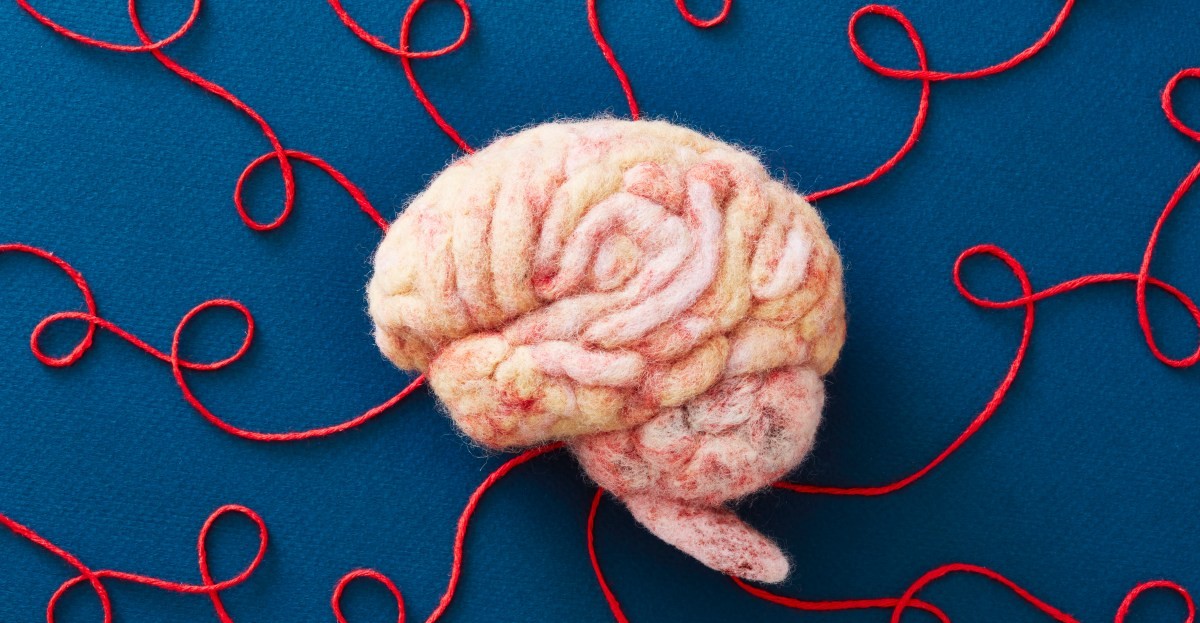
For years, the promise of “brain training” has filled self-help shelves and social media feeds. From apps to games to endless productivity hacks, people are desperate to preserve their cognitive function as they age. The underlying fear is real: conditions like Alzheimer’s and dementia are terrifying, robbing individuals of identity and memory. But despite the hype, the science of improving long-term brain health is far more nuanced – and less about “training” than most realize.
Experts are skeptical. Studies consistently show that targeted cognitive exercises rarely translate into broader intelligence gains. As Rutgers neuroscientist Michael Cole puts it, “No one has discovered a way to do cognitive training that transfers to anything general or interesting.” So, if rote exercises aren’t the answer, what is?
The truth is, maintaining a healthy brain isn’t about pushing it harder, but nourishing it holistically. Here’s what the latest research suggests:
The Foundation: Lifestyle Matters Most
The most effective strategies are surprisingly familiar: eat well, exercise regularly, manage stress, and prioritize sleep. High blood pressure and chronic inflammation are linked to cognitive decline, while physical activity demonstrably improves cognition. Major meta-analyses confirm that even light exercise benefits memory and executive function. In fact, staying active mid-life and later can reduce the risk of dementia by over 40%.
This isn’t about willpower; it’s about basic biological reality. Your brain’s hardware depends on overall health.
Learning Smarter, Not Harder
If you still want to challenge your brain, forget generic “training” and embrace desirable difficulty. Psychologist Nate Kornell argues that learning is most effective when it’s slightly challenging. Space out your study sessions and mix up new material with old. This forces your brain to work harder, leading to better retention.
This isn’t about making your brain stronger, but about creating optimal learning conditions.
The Power of Curiosity and Lifelong Learning
Beyond rote exercises, cultivate curiosity. Research shows that as we age, our innate interest in new things may decline, but our responsiveness to novel information increases. UCLA professor Alan Castel found that older adults who engage in hobbies, lifelong learning, and intellectual stimulation are less likely to develop dementia.
The key is relevance. Gardening enthusiasts will get more cognitive benefit from reading about new techniques or joining a club than from a random puzzle game. Small changes – taking a different route on a walk, shopping at a new market – can also stimulate the brain.
Flourishing: Purpose, Connection, and Well-Being
The most promising research points to something bigger: flourishing. Scientists at the University of Wisconsin’s Center for Healthy Minds define this as cultivating awareness, connection, insight, and purpose.
Purpose is particularly crucial. Having a strong sense of meaning supports brain health, reduces cognitive decline, and even increases longevity.
This isn’t about “training” your brain; it’s about building a life that engages it fully. Combine learning with social connection, pursue hobbies you enjoy, and find something that gives you a reason to get up in the morning.
The synthesis is clear: experts from different fields emphasize the same thing. Pursuing meaningful goals, cultivating curiosity, and connecting with others aren’t just good for well-being – they’re essential for long-term cognitive health.
Don’t think of this as brain exercise; think of it as nurturing a garden. You’re not trying to make your brain “smarter,” but more present, connected, and purposeful. The most effective approach is less about drills and more about building a life worth thinking about.