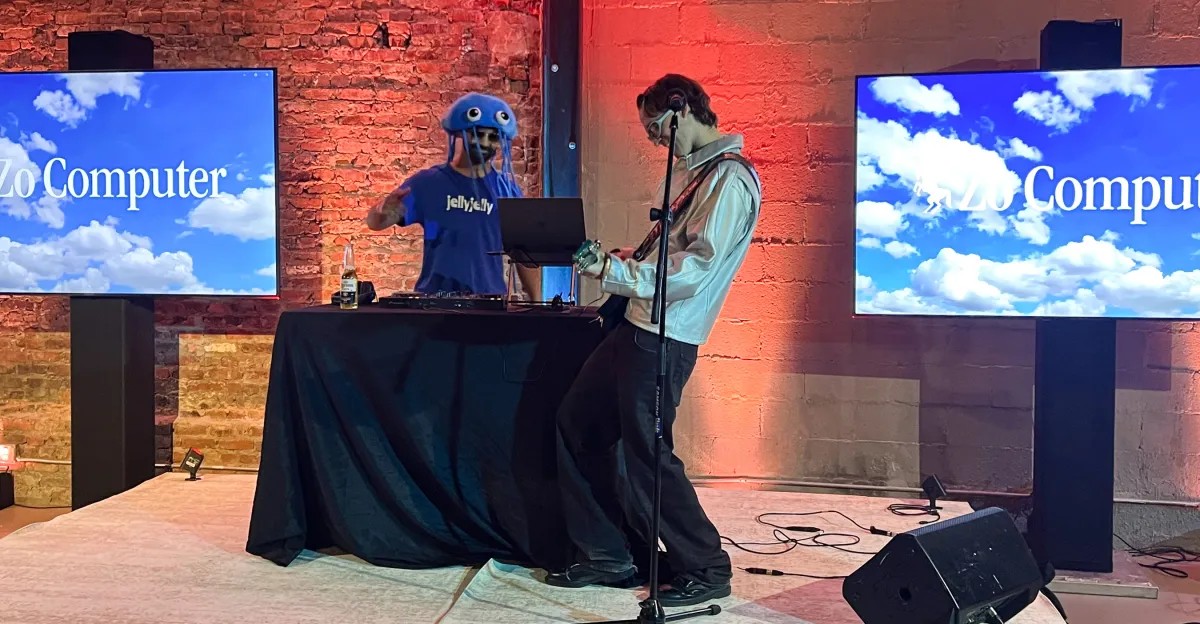
An unconventional scene unfolded in Manhattan this week: hundreds gathered for a “social-first” meetup celebrating OpenClaw, an open-source AI assistant platform. The event, hosted by a community eager to break free from the dominance of tech giants like Google and OpenAI, was marked by a surreal blend of tech enthusiasm and playful absurdity—lobster headbands and plush animal hats were common attire.
The Rise of Open-Source AI: OpenClaw emerged in late 2025 as a direct challenge to closed-source AI models. While still prone to security risks and unpredictable behavior, its open nature appeals to those seeking greater control over their personal AI tools. The community views it as a grassroots movement, a way to circumvent the walled gardens of major AI companies. “AI was controlled by the big labs,” explained event host Michael Galpert. “This is kind of a watershed moment where Peter [Steinberger, OpenClaw’s creator] busted down the doors.”
The meetup was deliberately informal, more akin to a party than a traditional tech conference. Attendees mingled amidst a lavish buffet, including an abundance of lobster-themed snacks, while sponsors showcased “wrappers” designed to simplify access to the platform. The atmosphere was described as liberating, where attendees didn’t ask “what do you do?” but rather “what does your OpenClaw agent do?”
Security Concerns and Community Fixes: Despite its growing popularity, OpenClaw is not without its flaws. The platform has been plagued by malware, with some reports indicating that up to 15% of available skills contain malicious code. However, the community’s open-source ethos allows for rapid iteration and fixes. As one attendee put it, “The fact that it’s open-source allows you to fix it.” The decentralized approach contrasts sharply with the opaque bug-fixing processes of larger AI labs.
Beyond the Hype: The event also highlighted the practical, sometimes chaotic, reality of early-stage AI adoption. Attendees shared stories of agents deleting emails, underperforming, or requiring constant verification. One attendee wryly suggested treating AI agents more like pets than tools, building trust through consistent interaction. The atmosphere was a reminder that while open-source AI promises control, it also demands vigilance.
The OpenClaw meetup was more than just a gathering of tech enthusiasts; it was a glimpse into a rapidly evolving landscape where the lines between innovation, security, and community-driven development are increasingly blurred. The event underscored the growing appetite for accessible, customizable AI—even if it means embracing a little chaos along the way.