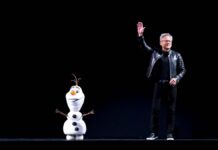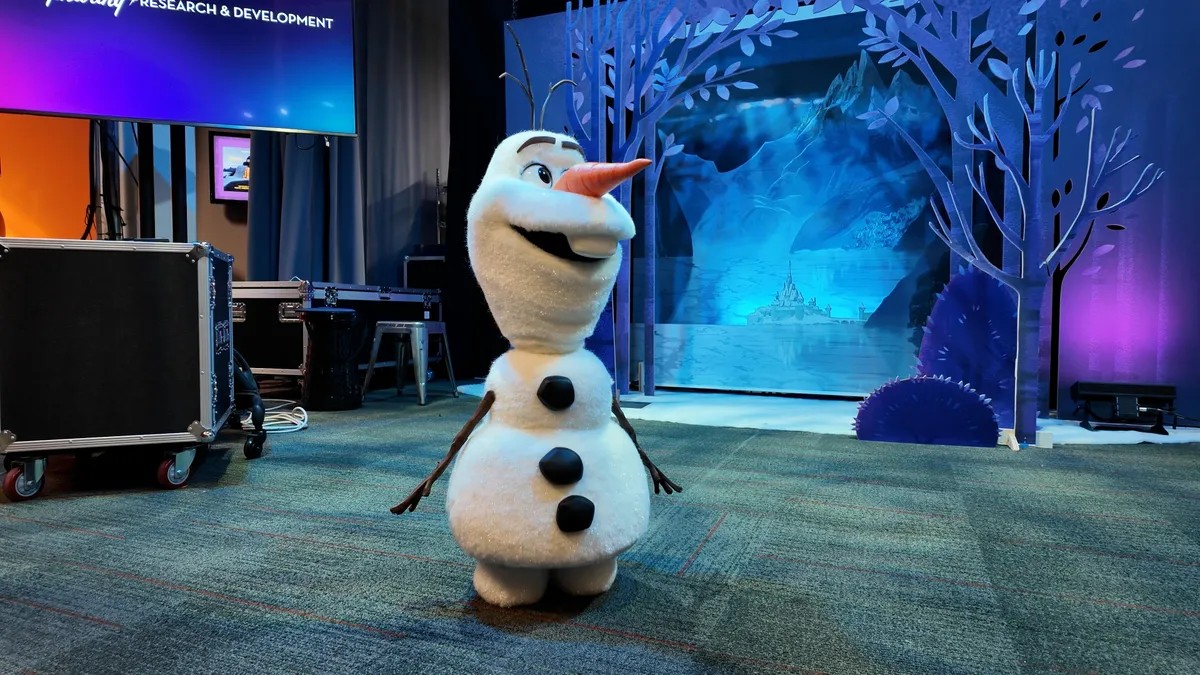
Disney and Nvidia have collaborated to create a fully functional, AI-powered Olaf robot, bringing the beloved Frozen character into the physical world. The robotic Olaf, powered by Nvidia chips and running simulations on Nvidia GPUs, was unveiled at Walt Disney Imagineering R&D and is now being showcased at Nvidia’s GTC 2026 AI conference.
The Tech Behind the Magic
The project leverages the Newton Physics Engine, an open-source system co-developed by Disney Research, Nvidia, and Google DeepMind. This engine enables high-performance robot simulations to run efficiently on GPUs. Disney animators contributed training data to teach Olaf to walk, specifically replicating his iconic “snowman shuffle.”
Currently, the robot is operator-controlled, with voice responses selected by a human. However, Disney plans to expand Olaf’s AI capabilities over time, allowing for more dynamic interactions. The robot is designed to greet guests and interact in theme parks, much like the free-roaming droids found in Star Wars: Galaxy’s Edge.
Design and Functionality
Olaf’s design includes iridescent fibers for a snowy sparkle, fully articulated eyes and mouth, and magnetically attached body parts for comedic effect. Disney’s R&D Imagineer, Josh Gorin, notes the team had long pursued a real-life Olaf, stating, “Technology finally caught up.” While warm hugs aren’t yet possible, Disney acknowledges the robot’s huggable design and hopes to enable that feature in the future.
Global Debut and Future Plans
Olaf will first appear at the opening of World of Frozen land at Disneyland Paris on March 29, followed by Hong Kong Disneyland. Currently, there is no confirmed timeline for appearances at Disneyland or Walt Disney World in the United States.
The development of Olaf represents a significant step in combining AI, robotics, and entertainment, showcasing how advanced technology can blur the lines between animated characters and real-world experiences.