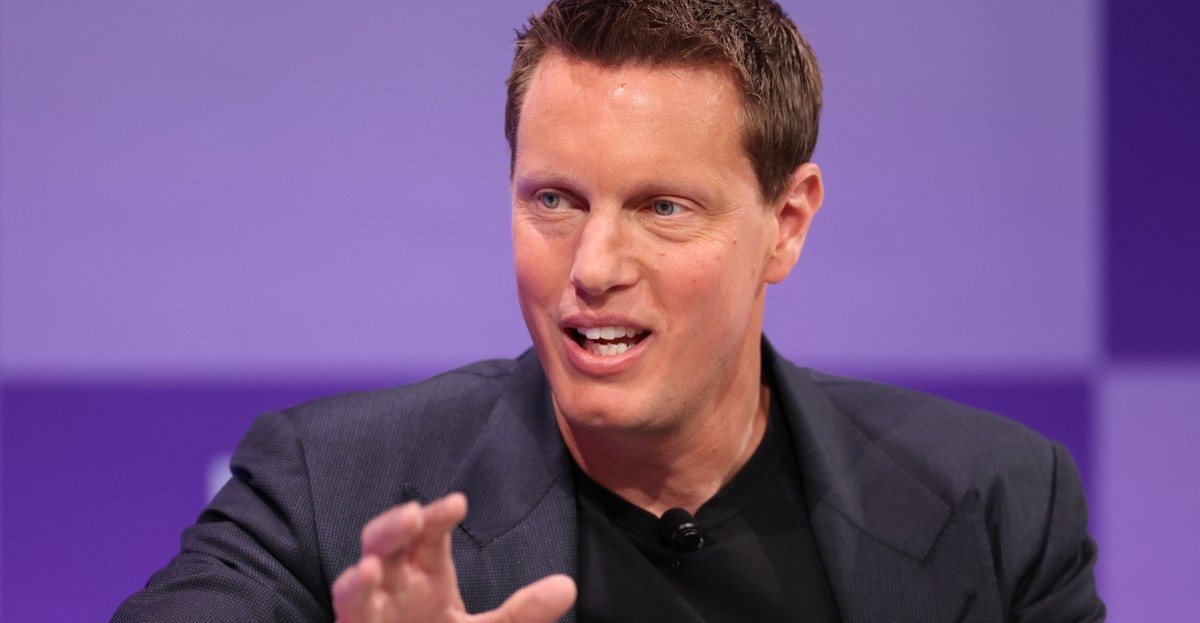
Hollywood is undergoing a radical shift. Years of industry disruption—including production losses, labor strikes, wildfires, and the rise of AI—have culminated in an unprecedented wave of consolidation. At the center of this transformation is David Ellison, the scion of tech billionaire Larry Ellison, who has rapidly acquired control over two of the industry’s biggest studios: Paramount and Warner Bros.
Ellison’s ascent has raised questions among executives about his leadership, given his mixed track record in film production. The merger is likely to trigger further layoffs, budget cuts, and a potential reduction in the number of released films, despite Ellison’s public promises of maintaining a high output. This consolidation also shrinks opportunities for writers and weakens worker bargaining power, allowing studios to suppress salaries more aggressively.
The deal is not yet final, with unions and labor groups lobbying against it until worker protections are secured. The acquisition also raises political concerns, particularly regarding Warner Bros.-owned CNN’s potential shift to the right under Ellison’s influence, mirroring the conservative lean of his other media holdings.
From Film School Dropout to Studio Mogul
Ellison’s path to power is rooted in his father’s wealth, which he leveraged into Hollywood. After a failed acting debut in the poorly received Flyboys, Ellison transitioned into production, founding Skydance Media. Initially, Skydance partnered with Paramount, a struggling studio at the time, securing funding and access to major franchises. While some of Ellison’s early projects flopped, his persistence paid off with the massive success of Top Gun: Maverick. The film’s critical and commercial triumph transformed Ellison’s image, positioning him as a viable leader during a period of industry turmoil.
The Trump Factor
Ellison’s political maneuvering became critical to finalizing the Paramount-Warner Bros. deal. He cultivated ties with the Trump administration, catering to their demands to secure regulatory approval, a move that alienated some within the industry. This shift from a relatively apolitical figure to a key player in conservative media circles underscores the increasing entanglement of entertainment and politics.
Hollywood executives are not optimistic about this shift. Many view consolidation as inevitable but express deep concerns about Ellison’s leadership, his political alignment, and the long-term implications for the industry. As one insider put it, Ellison has gone from an inexperienced outsider to the captain of a sinking ship, now in control of some of Hollywood’s most iconic franchises.
Ultimately, the industry will be shaped by Ellison’s vision and financial power. Whether this leads to innovation or further decline remains to be seen, but one thing is clear: Hollywood’s future is now firmly in the hands of its newest power broker.