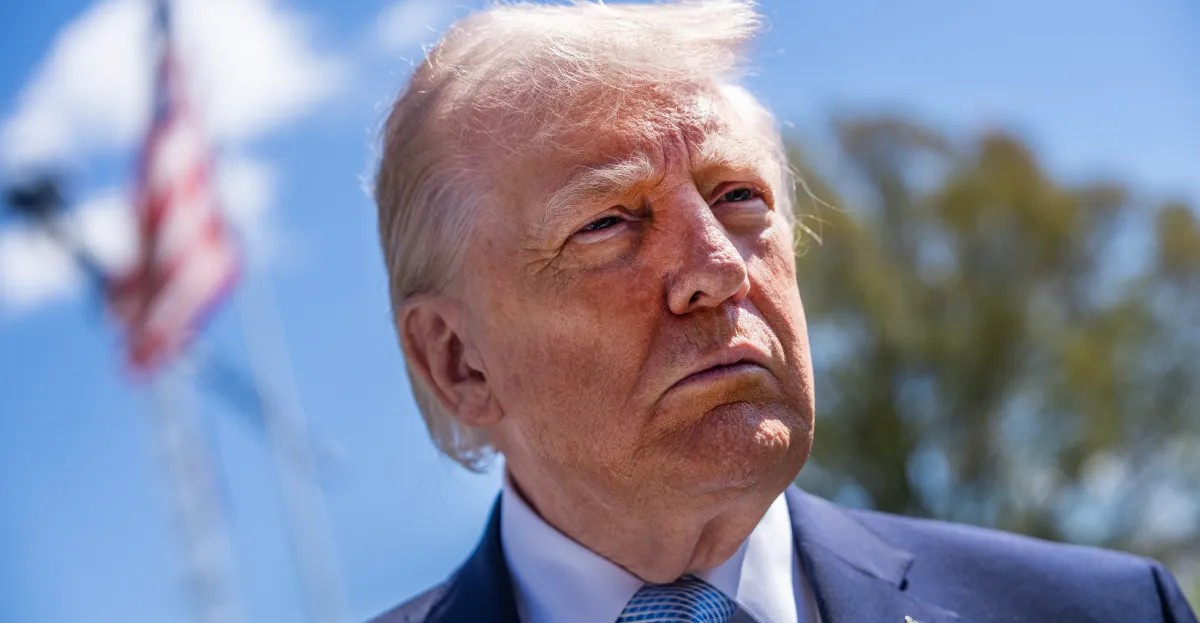
A tentative ceasefire between the United States and Iran has been established, momentarily averting the immediate threat of large-scale conflict. However, despite President Donald Trump’s optimistic rhetoric regarding a “definitive agreement” for long-term peace, the actual implementation of the deal remains highly volatile and contested.
A Disputed Agreement
While the ceasefire is officially in place, its stability is being undermined by fundamental disagreements over its scope and adherence.
- Allegations of Violations: Iran has already accused the United States of breaching several key terms of the agreement.
- Ambiguity in Scope: There appears to be a lack of consensus between the two nations regarding what exactly has been agreed upon.
- The Lebanon Conflict: A major point of contention is the ongoing Israeli offensive in Lebanon. While mediators from Iran and Pakistan maintain that the ceasefire should encompass Lebanese territory, Israeli strikes continue, resulting in over 250 casualties on Wednesday alone.
Diplomatic Efforts and Economic Realities
Despite the immediate friction, high-level diplomacy is moving forward. A US delegation, including Vice President JD Vance, Steve Witkoff, and Jared Kushner, is scheduled to meet with Iranian officials in Pakistan this Saturday. This meeting will be critical in determining whether the current pause is a precursor to a lasting treaty or merely a temporary lull in hostilities.
The economic implications of the deal are also proving more complex than initially signaled. President Trump suggested that the ceasefire would lead to “positive action” and economic benefits, specifically regarding maritime traffic in the Strait of Hormuz. However, real-world data suggests a much slower recovery:
– Hundreds of ships typically navigate the strait.
– On Wednesday, reports indicated as few as three ships had passed through.
The slow resumption of maritime traffic suggests that despite the political agreement, the logistical and security risks in the region remain high, preventing the immediate economic “buildup” promised by the administration.
Why This Matters
This situation highlights a recurring tension in Middle Eastern diplomacy: the gap between political declarations and operational reality. A ceasefire is only as effective as its enforcement and the shared understanding of its boundaries. The continued violence in Lebanon and the stagnant traffic in the Strait of Hormuz indicate that while a “pause” has been achieved, true stability—and the economic benefits that follow—remains elusive.
The success of this ceasefire depends less on the President’s announcements and more on whether the upcoming negotiations in Pakistan can reconcile the conflicting definitions of “peace” held by Washington, Tehran, and regional actors.
Conclusion
The US-Iran ceasefire is currently a fragile truce marked by conflicting interpretations and ongoing regional violence. The upcoming high-level talks in Pakistan will be the true litmus test for whether this is a genuine step toward peace or a temporary pause in a larger conflict.