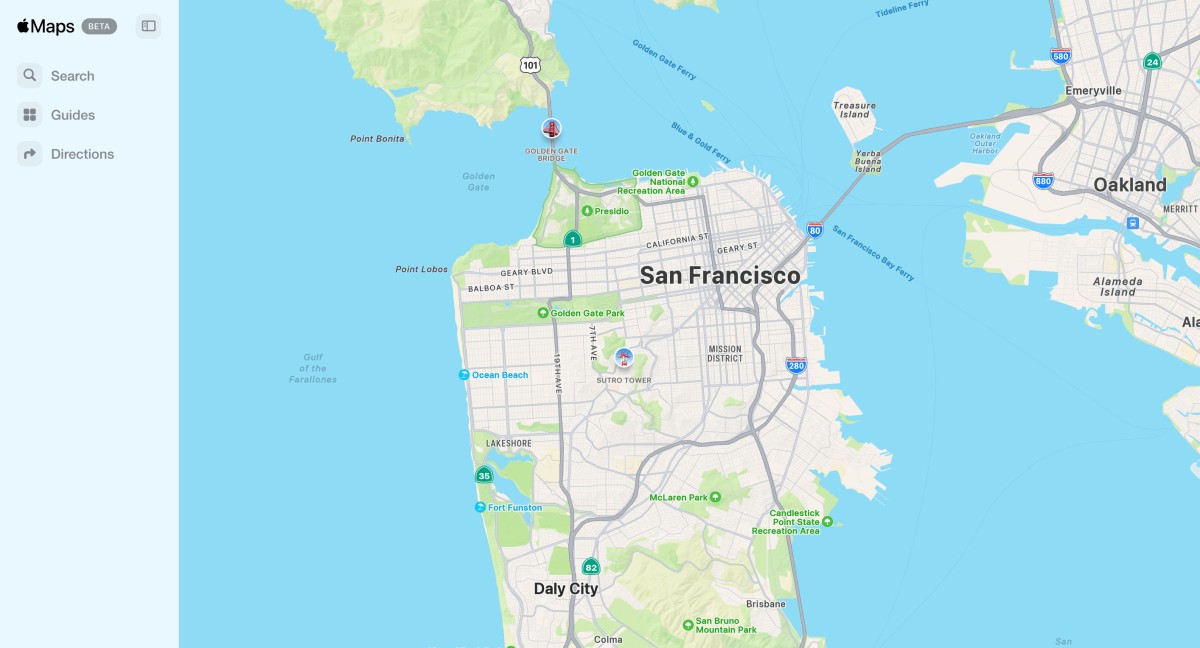
Apple is preparing to integrate advertisements into its Maps application, potentially as early as this summer. According to a new report from Bloomberg, businesses will soon be able to bid for prominent placement within search results. This means when users search for local establishments like restaurants or stores, sponsored listings will appear at the top of the results page.
Why This Matters
This move aligns Apple with industry standards set by competitors like Google and Bing Maps, both of which already feature advertising in their navigation apps. While Apple has historically prioritized user experience over aggressive monetization, the introduction of ads suggests a shift toward maximizing revenue streams from its services.
The potential for a significant revenue boost is clear. Google generates billions annually through advertising within its Maps app, and Apple is likely eyeing a similar financial benefit. This change could also mean increased competition among local businesses to secure top ad spots, driving up bidding costs over time.
User Experience Implications
Apple Maps has long trailed behind Google Maps in user preference, and this change won’t help close that gap. Adding ads directly into search results could further degrade the app’s usability, as organic results may be pushed down in favor of paid placements. Whether users will accept this trade-off for a potentially more profitable Apple remains to be seen.
The Bigger Picture
This decision reflects a growing trend among tech giants: to aggressively monetize user data and platform access. Apple, once known for its privacy-focused stance, is increasingly adopting strategies that prioritize financial gain over strict user experience purity. The integration of ads into Maps is just one example of this broader shift.
The introduction of ads into Apple Maps signifies a clear move toward increased revenue generation at the potential expense of user experience. This strategy aligns with industry norms but may further widen the gap between Apple Maps and its dominant competitor, Google Maps.