The aggressive expansion of US Immigration and Customs Enforcement (ICE) under the Trump administration has fundamentally altered the fabric of American life, extending far beyond immigration policy into local economies, community trust, and even the nature of civic activism. What began as campaign rhetoric promising mass deportations evolved into a broad-scale operation that reshaped enforcement priorities, tested legal boundaries, and left lasting scars on communities from coast to coast.
The Reality of Expanded Enforcement
Initial expectations of a focused approach—targeting violent criminals or recent arrivals—were quickly eclipsed by reality. ICE operations expanded to include widespread arrests at courthouses, schools, and even places of worship. Federal law enforcement agencies occupied American cities, sometimes deploying the National Guard to suppress protests, while masked agents conducted aggressive arrests in public spaces. The situation escalated to the point where American citizens were shot and killed during encounters with ICE, raising questions about accountability and the limits of federal authority.
This level of enforcement caused widespread fear and paranoia, especially in immigrant communities, but also among broader populations. The fear wasn’t irrational; federal agencies operated with unprecedented overreach, and the administration openly considered invoking the Insurrection Act to quell dissent.
Local Economies Under Siege
The impact wasn’t limited to individual lives. Cities with large immigrant populations—such as Little Village in Chicago—experienced severe economic disruption. Businesses reported steep declines in revenue, some even closing temporarily, as fear kept customers away. The ripple effect extended beyond immigrant-owned businesses, affecting the broader economy. A Brookings Institution report estimated that the net outflow of immigrants could lead to a $60-110 billion drop in consumer spending by 2026, further exacerbating economic pressures.
The economic strain was made worse by the lack of federal relief comparable to pandemic-era programs like the Paycheck Protection Program. Unlike in 2020, businesses received little support, leaving them vulnerable to collapse.
The Rise of Grassroots Resistance
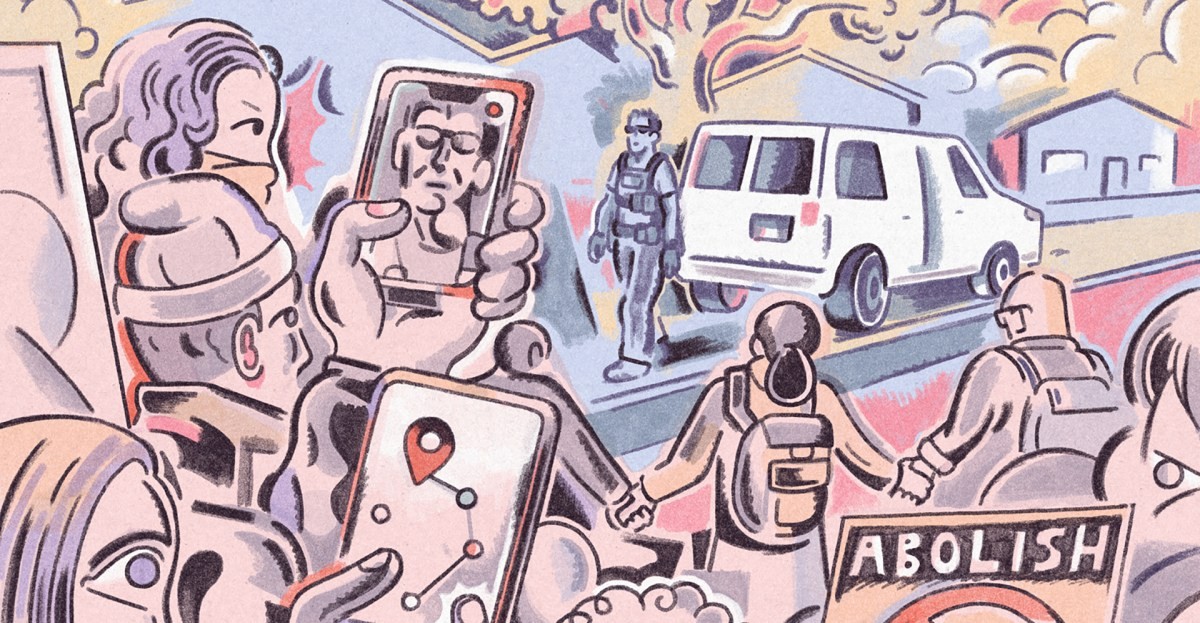
The aggressive enforcement spurred an unexpected consequence: the emergence of a new form of local activism. Communities began organizing rapidly, sharing de-escalation tactics, documenting ICE interactions, and providing legal support to neighbors. Churches and mutual aid groups became central hubs for resistance, training volunteers to monitor ICE operations and protect vulnerable populations.
This shift represents a change in protest culture. Rather than mass marches, the focus shifted toward individual actions—recording federal agents, sounding alarms to alert neighborhoods, and documenting abuses. The Minneapolis uprising, which forced ICE to withdraw from the city and led to the firing of a DHS secretary, exemplified this new approach.
The New Normal
The Trump administration’s policies have left an enduring legacy. Communities that experienced ICE surges report lasting fear, suspicion, and a heightened sense of civic awareness. Some communities have adapted, developing robust networks for mutual aid and resistance.
The long-term consequences remain uncertain, but the experience has fundamentally changed how people view federal authority and the role of local activism. Even as the administration adjusts its tactics, the distrust and vigilance instilled by years of aggressive enforcement will likely persist for years to come.
The reshaping of American life by ICE is not just a matter of policy; it’s a story of fear, resilience, and the rise of a new kind of citizen-activist.