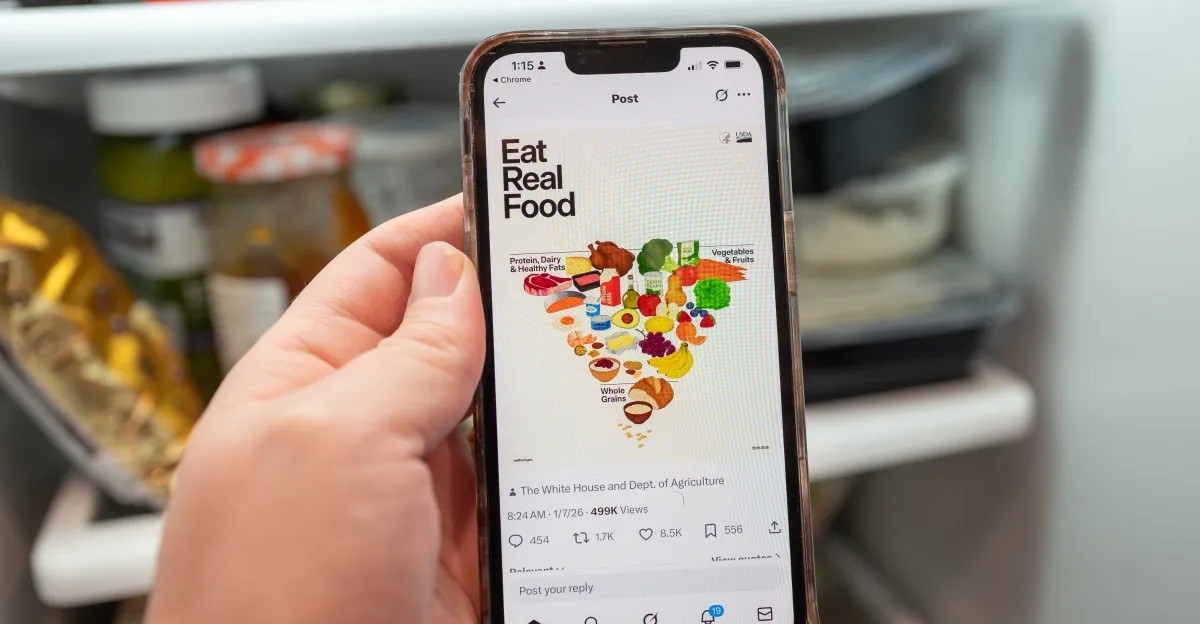
The American diet is undergoing a significant shift, driven by new federal guidelines, rising health trends, and evolving consumer behaviors. Liz Dunn, author of the Consumed newsletter, recently outlined seven key predictions for how Americans will eat in 2026, ranging from a surge in protein consumption to the challenges facing Big Food. These changes aren’t just about individual choices; they’re reshaping the entire food industry.
Prediction 1: The Protein Obsession Continues
Protein is already everywhere—in yogurts, meat sticks, and even waffles—and its dominance will only grow. Demand is fueled by the association of protein with fitness, strength, and now, increased federal recommendations. Supermarkets have adapted to this trend, and consumers will continue to prioritize protein-rich foods as a cornerstone of their diets.
Prediction 2: Sugar-Loaded Drinks Will Thrive Despite Health Concerns
While sugar-shaming is common, the reality is that many Americans still crave sweet beverages. Chains like Dutch Brothers Coffee are booming by selling large, sugary drinks, and fast-food companies are innovating to offer more of these high-profit items. Consumers seeking indulgence without breaking the bank will drive this trend, while businesses will capitalize on the low production costs and high margins.
Prediction 3: The Supplement Market Will Explode
The $70 billion supplement industry is poised for even greater growth, spurred by the “Make America Healthy Again” movement, which embraces supplements as a viable alternative to traditional medicine. Influencers and social media will further accelerate this trend, as consumers trust recommendations from their favorite online personalities. This marks a shift toward self-guided wellness solutions.
Prediction 4: The Grocery Landscape Will Split into Extremes
Grocery shopping is becoming increasingly polarized. Mid-range stores are losing ground to discounters like Walmart and Aldi, where consumers prioritize deep discounts over brand loyalty. Simultaneously, high-end grocers like Erewhon are expanding, catering to those willing to splurge on premium products. This “V-shaped reinvention” reflects a widening gap in consumer spending habits.
Prediction 5: Restaurants Will Prioritize “Instagrammability”
Restaurants will increasingly design menus and decor around social media appeal. A recent OpenTable report found that 77% of Gen Z and 79% of millennials consider a restaurant’s Instagram or TikTok worthiness when choosing where to dine. This means viral-friendly dishes and photogenic interiors will become essential for success.
Prediction 6: GLP-1 Drugs Will Force Restaurants to Adapt
The rising popularity of GLP-1 drugs, which suppress appetite, will challenge restaurants to rethink portion sizes. With an estimated one in eight Americans already using these medications, businesses will need to adjust their menus to maintain revenue despite smaller orders. This is a direct consequence of evolving medical interventions on consumer behavior.
Prediction 7: Big Food Faces a Reckoning
Packaged food companies are struggling to adapt to growing skepticism toward highly processed foods. The rise of GLP-1s further complicates the issue, as consumers may eat less overall. Big Food will need to fundamentally rethink its business model to remain profitable in a market that increasingly values natural, unprocessed options.
In conclusion, the American diet is entering a period of rapid change. These trends reflect deeper shifts in consumer values, medical advancements, and economic realities, forcing the food industry to adapt or risk being left behind. The future of eating is about extremes, social media influence, and a growing skepticism toward traditional processed foods.