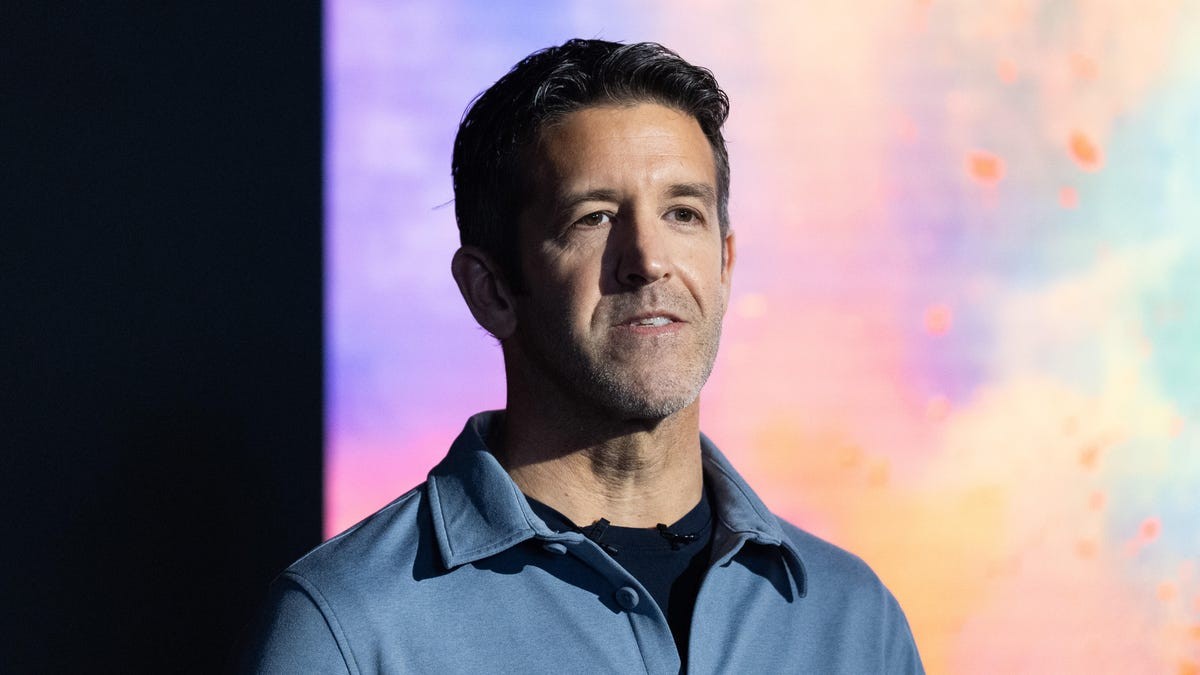
Apple is preparing for a historic leadership transition. Later this year, John Ternus will succeed Tim Cook as CEO, marking the end of an era defined by unprecedented financial growth and the beginning of a new chapter centered on hardware innovation and the integration of artificial intelligence.
While Tim Cook will transition to the role of Executive Chairman, the mantle of leadership passes to a man whose DNA is deeply rooted in the physical products that define the brand.
From Hardware Specialist to CEO
Unlike Tim Cook, whose legendary tenure was built on mastering global logistics and supply chain efficiency, John Ternus is, at his core, an engineer.
Having joined Apple in 2001, Ternus has spent over two decades climbing the ranks from the product design team to Senior Vice President of Hardware Engineering. His fingerprints are on much of the hardware that consumers love today, including:
– The evolution of the iPhone and iPad.
– The development of AirPods and the Apple Watch.
– The critical transition from Intel processors to Apple Silicon.
– Innovations in materials, such as 3D-printed titanium and recycled aluminum.
This background suggests a shift in leadership style: while Cook optimized how Apple sells and moves products, Ternus is expected to focus on how Apple builds and innovates them.
The Three Pillars of Challenge
Ternus inherits a company at a crossroads. To maintain Apple’s dominance, he must navigate three distinct, high-stakes arenas:
1. The AI Arms Race 🤖
The most pressing question is whether a hardware-centric leader can pivot Apple toward an AI-driven future. While “Apple Intelligence” has been introduced to enhance photo editing and Siri, it currently trails behind the sophisticated generative capabilities of competitors like Google, Microsoft, and OpenAI.
“Apple’s next decade will be defined less by hardware perfection… and more by whether the company can build a strong AI platform and ecosystem strategy,” notes Francisco Jeronimo, VP of Client Devices at IDC.
2. Regulatory and Geopolitical Headwinds ⚖️
Apple’s “walled garden”—the seamless integration of hardware and software that keeps users loyal—is under intense scrutiny.
– Antitrust Pressure: Both the U.S. Department of Justice and the European Union are challenging Apple’s business model, seeking to open up its ecosystem.
– Supply Chain Shifts: Amid rising tariffs and geopolitical tensions, Apple is aggressively diversifying its manufacturing base, moving significant production from China to India and Vietnam.
3. Product Stagnation vs. Radical Innovation ✨
As Apple approaches its 50th anniversary, critics have noted a sense of “incrementalism”—releasing small updates rather than revolutionary leaps. The Vision Pro was intended to be a massive leap forward, but its high price point has limited its mainstream impact.
To reignite excitement, Ternus may need to deliver “category-defining” hardware. Rumors of a foldable iPhone or a new ultra-slim “iPhone Air” represent the kind of design-led breakthroughs that could define his early tenure and prove that Apple can still lead the industry rather than just follow it.
Looking Ahead
John Ternus has a few months to prepare under the mentorship of Tim Cook, but the transition becomes official on September 1. Whether he can translate his engineering expertise into a cohesive AI and software strategy will determine if Apple remains the world’s premier tech leader or enters a period of defensive management.
Conclusion: Apple is moving from an era of operational mastery to one of technical reinvention. The success of the Ternus era will depend on his ability to bridge the gap between world-class hardware and the rapidly evolving world of artificial intelligence.