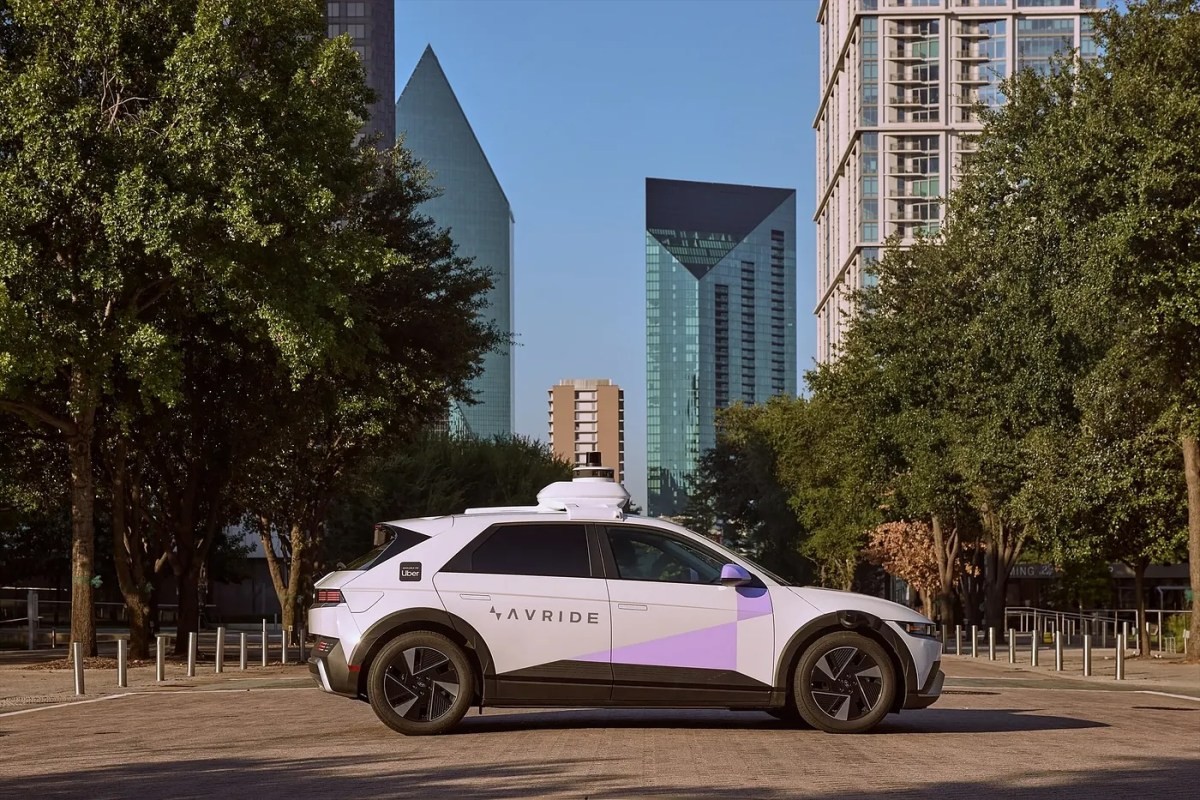
A recent incident involving an autonomous vehicle (AV) in the Mueller Lake enclave of Austin, Texas, has ignited local debate regarding the integration of self-driving technology into residential neighborhoods. The controversy began when an Avride autonomous vehicle ran over and killed a local mother duck, an event that has since transitioned from a neighborhood grievance to a broader discussion on the predictability and “empathy” of AI-driven transit.
The Incident and Community Reaction
The incident gained traction after a resident shared details in a local Facebook group, sparking significant outrage among neighbors. According to the report, the vehicle—which was being monitored by a human safety operator—did not slow down or hesitate after striking the duck, but instead continued its route.
The emotional weight of the event is heightened by the fact that the duck was a known member of the community, frequently seen nesting near a local Italian restaurant. The incident has even prompted local residents to take direct action to preserve the species; several neighbors are reportedly using an incubator to protect the duck’s remaining eggs.
Avride’s Response and Technical Investigation
In response to the backlash, Avride has provided several clarifications regarding the vehicle’s operation and the company’s next steps:
- Operational Status: The vehicle was confirmed to be in autonomous mode at the time of the incident.
- Localized Adjustments: While Avride has not suspended all public road testing, the company has proactively restricted its operations, excluding certain streets surrounding the lake where the incident occurred.
- Addressing Allegations: A resident claimed the vehicle failed to obey a stop sign. However, Avride stated that their data review showed the vehicle made complete and appropriate stops at all relevant signs.
- Simulation and Improvement: Avride is currently using simulation technology to replay the scene. The goal is to develop software improvements that allow the vehicle to better detect and react to such obstacles without compromising overall safety performance in other driving scenarios.
The Broader Context: The Race for Autonomous Dominance
This incident highlights a growing friction point in the rollout of autonomous technology: the gap between technical compliance and community acceptance. While a vehicle may follow all traffic laws perfectly, its perceived “indifference” to local wildlife or neighborhood nuances can damage public trust.
Austin has become a significant testing ground for this technology. Avride is not alone in the city; several other major players are actively operating or testing in the area, including:
– Waymo (in partnership with Uber)
– Tesla
– Zoox
As these companies compete to refine their robotaxi services, they face the dual challenge of perfecting complex algorithms and navigating the social expectations of the communities they serve.
The death of a single animal has become a proxy for a larger question: Can autonomous systems ever truly integrate into the unpredictable, organic environments of human neighborhoods?
Conclusion
The incident in Mueller Lake serves as a reminder that for autonomous vehicles to succeed, they must move beyond mere technical accuracy and address the social and environmental sensitivities of the areas in which they operate.