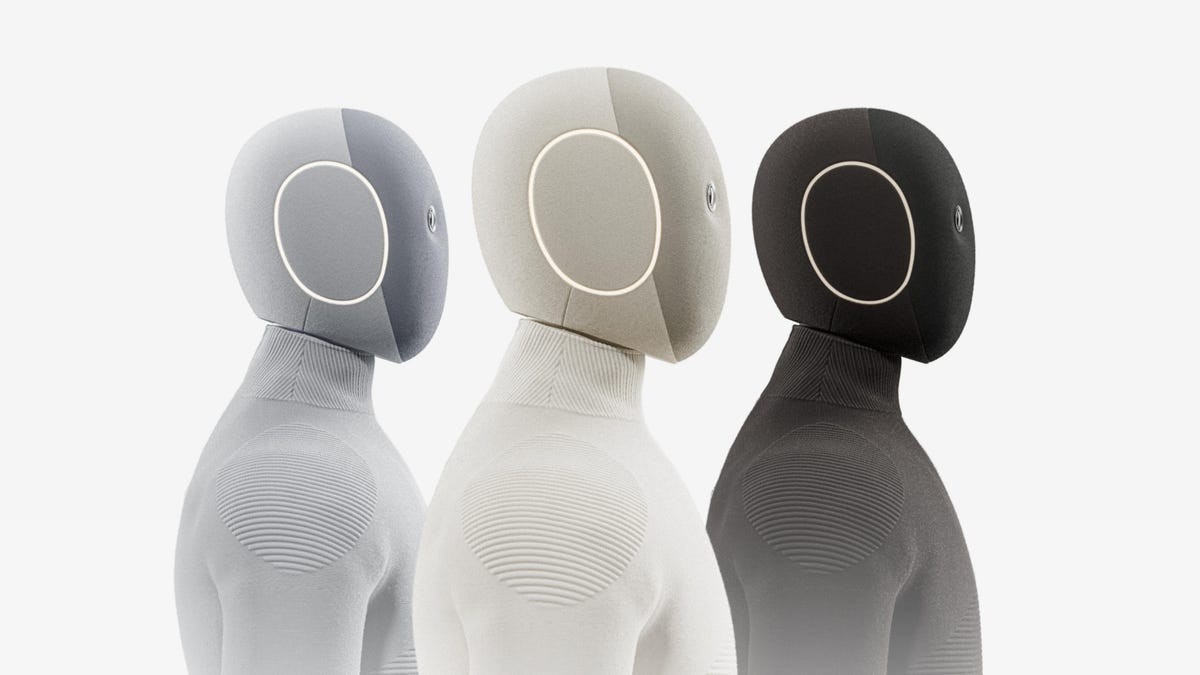
A major partnership between robot maker 1X and private equity firm EQT will put up to 10,000 of 1X’s Neo humanoid robots into workplaces across the US, Europe, and Asia over the next five years. This deployment marks a significant step toward the broader integration of human-like robots into industries facing labor shortages and seeking productivity gains.
The $20,000 Robot Enters the Workforce
1X first gained attention in October with preorders for its Neo robot, priced at $20,000. Now, EQT will facilitate the rollout of these robots to its portfolio companies in sectors including manufacturing, facility operations, and healthcare. The robots will be the same models offered to the public, running on the same AI systems.
Pilots in the US are scheduled to begin in 2026, aligning with 1X’s timeframe for initial customer deliveries. Potential buyers can either purchase Neo with a $200 down payment or lease it for $499 per month. The robot stands at 5’6″ and can lift up to 154 pounds, demonstrating capabilities in household tasks like folding laundry and carrying groceries.
Early Limitations and Future Promises
Despite the capabilities, current demonstrations show the Neo requires a remote human operator using a VR headset and controllers – meaning it isn’t fully autonomous yet. 1X claims the robots will ship with basic autonomy and improve through continued use. This highlights a crucial point about early-stage robotics: many advanced models still rely on human oversight.
Why This Matters: Labor and Automation
The EQT deal is framed as a solution to labor shortages, a growing concern in many industries. EQT Ventures lead partner Ted Persson stated the goal isn’t to replace workers, but to “give them superpowers” through robotic assistance. This rhetoric is common as automation becomes more sophisticated. While proponents emphasize productivity boosts, the long-term impact on employment remains a key question.
The Competitive Landscape
1X is not alone in the humanoid robot race. Companies like Amazon (already using robots in warehouses), Unitree, Apptronik, Boston Dynamics, and Tesla are also developing similar systems. The rapid progress in AI is accelerating this trend, suggesting widespread robotic adoption is increasingly likely.
The financial details of the EQT deal remain undisclosed, but the move underscores a growing confidence in the commercial viability of humanoid robots. As the technology matures and costs potentially decline, these machines could become a staple in workplaces and even homes worldwide.