It is getting hard to know what is real. Or at least what you are allowed to see. The National Transportation Safety Board had to pull the plug. Just for a moment. They cut access to their online docket system. Why? Because people were listening to dead pilots. Again.
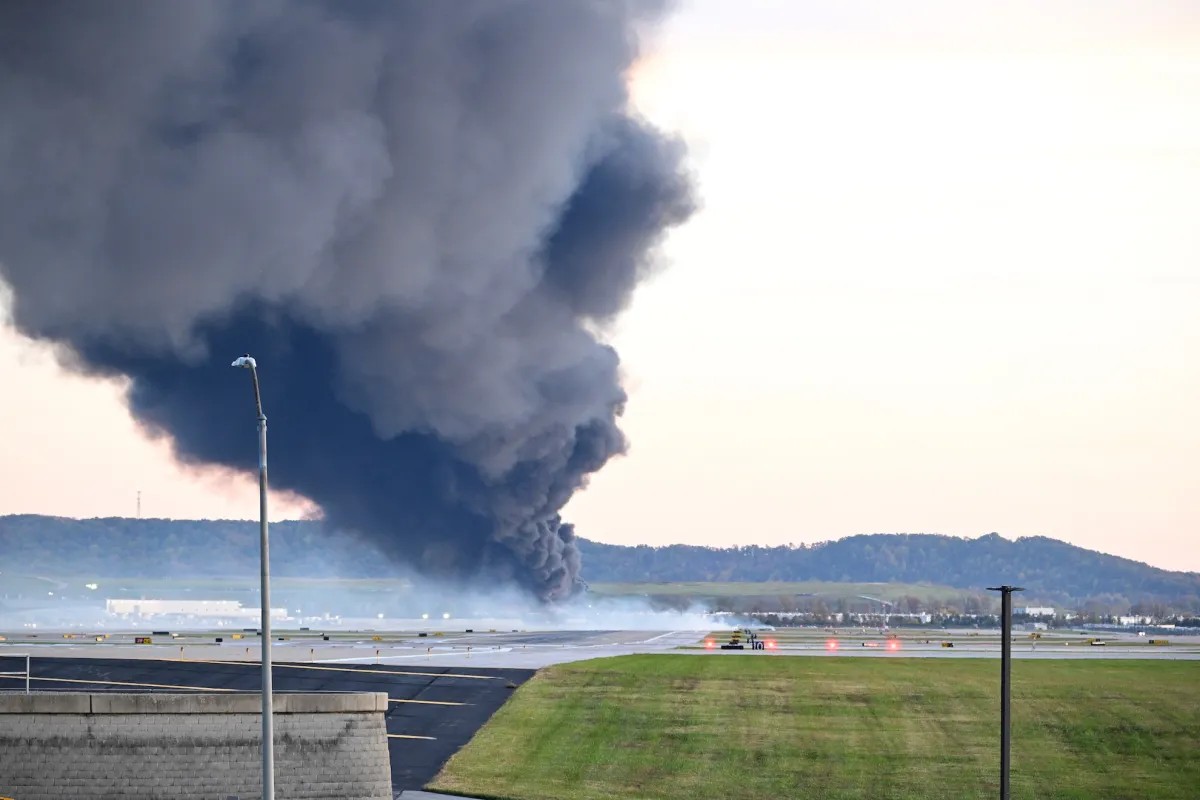
This wasn’t some ghost story. It was UPS Flight 2976. The crash happened last year. Pilots died. The audio of their final moments should never have left the building. Federal law is strict on this point. The NTSB cannot publish cockpit recordings. The law is there for privacy. For dignity. Mostly to keep the grim details out of public eyes.
The NTSB docket is usually a trove of public data, open to anyone curious enough to look. But that rule has blind spots.
Blind spots get exploited. In this specific case, the file left behind was not the audio. It was a spectrogram. Just an image. A mathematical map of sound waves turned into visual data. Low frequencies, high frequencies. A static picture of noise. Or so you would think.
Scott Manley pointed out the flaw on X. The tech YouTuber knows physics. He noted that the image held megabytes of encoded info. You could rebuild the sound. Not just guess at it. Actually reconstruct it. From pixels.
Someone did it.
They took the image. They took the public transcript of the flight. They fed it to AI tools like Codex. Social media posts confirm it. The result? An approximation of the pilots’ voices. Circling the internet. Haunting the feed.
The NTSB tried to contain the leak. Temporarily removed the link. It probably won’t stick. You can’t un-ring a bell, especially when the bell is synthetic. The technology exists now. It works. It doesn’t care about your privacy laws or the solemnity of the event. It just sees data. And it turns that data back into speech.
Is there a future where nothing is ever truly dead?