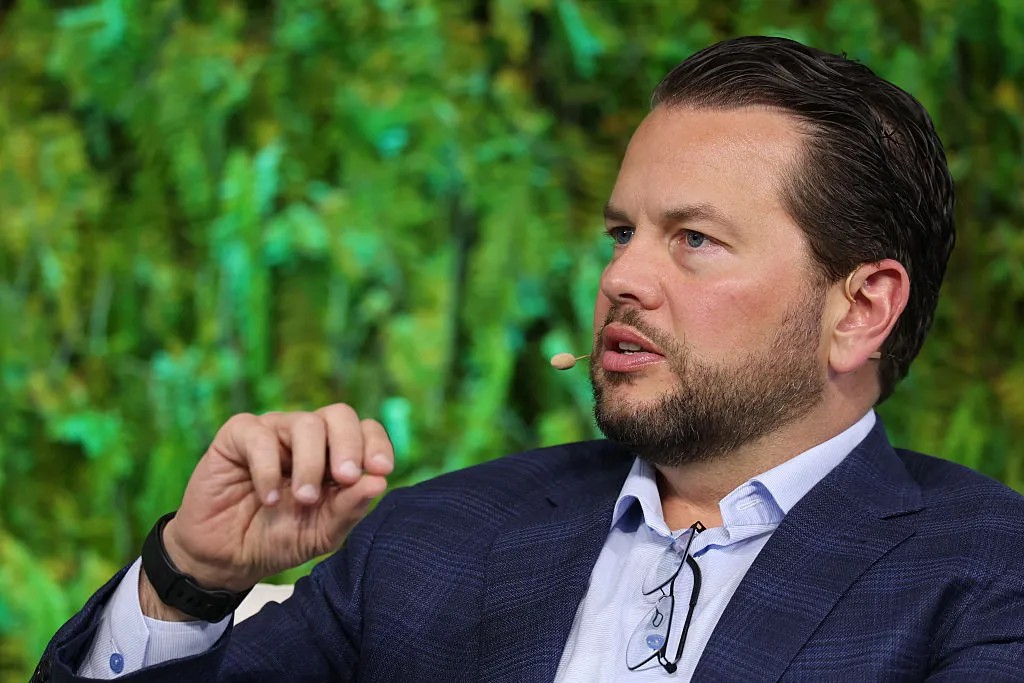
Pinterest CEO Bill Ready has publicly urged governments worldwide to ban social media access for individuals under the age of 16, citing growing concerns about the impact of these platforms on youth mental health and development. In a recent opinion piece for Time, Ready argued that children are currently subjects in a large-scale, uncontrolled experiment due to unrestricted access to social media.
The Rising Concerns About Youth and Social Media
Ready’s call comes as numerous studies highlight the correlation between excessive social media use and increased rates of depression, anxiety, and declining attention spans among young people. He contends that tech companies initially underestimated the potential harm of their platforms on children, failing to adequately consider the long-term consequences. The CEO points to Australia’s recent implementation of social media restrictions for minors as a model that other nations should emulate if tech firms don’t voluntarily prioritize youth safety.
Regulation Parallels with Other Harmful Industries
The Pinterest CEO drew a clear comparison between the current debate over social media regulation and the historical fight against tobacco and alcohol industries. He argued that just as strict guidelines were eventually imposed on tobacco and alcohol to protect public health, similar policies are necessary for social media. Ready noted that Pinterest itself has seen positive results with Gen Z after it removed social features for under-16 users, suggesting that targeted restrictions can work.
“When we make excuses for not acting in the public’s best interest, tech CEOs sound like 20th-century tobacco executives who had to be shamed and sued into submission,” Ready wrote in the op-ed.
This statement underscores the growing pressure on tech leaders to address the documented risks of social media use among children, rather than waiting for legal intervention.
The CEO’s advocacy represents a rare instance of a tech executive openly calling for such widespread restrictions, signaling a potential shift in industry awareness around the well-being of its youngest users. This debate will likely intensify as governments grapple with how best to verify ages and enforce these types of measures, while protecting children from the documented harms of unrestricted social media access.