


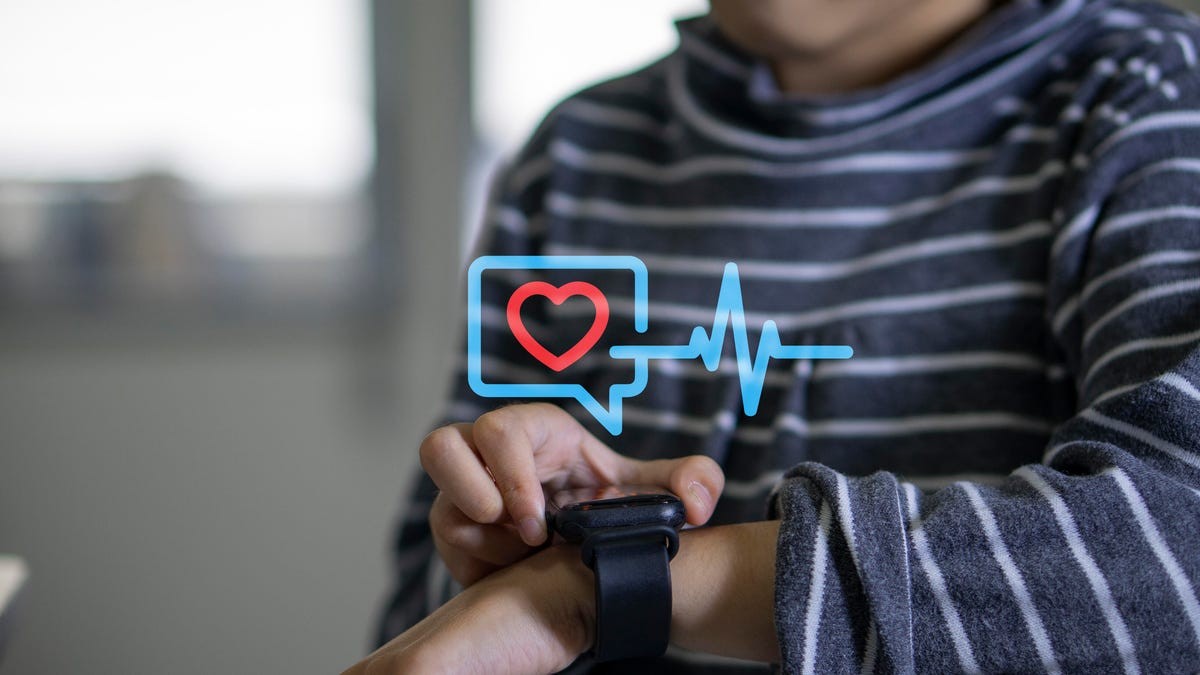
New research suggests that Apple Watches and similar wearable devices could significantly improve the early detection of atrial fibrillation (A-fib) – a major risk factor for stroke. Two recent studies, conducted by Amsterdam University Medical Center and St. Bartholomew’s Hospital in London, demonstrate that these devices can identify irregular heartbeats far more effectively than standard care alone. This is especially important because many people with A-fib remain undiagnosed, meaning they miss crucial opportunities for prevention.
Enhanced Detection Through Wearable Technology
The Amsterdam study tracked 437 patients aged 65+ with elevated stroke risk. Half wore an Apple Watch for 12 hours daily over six months, while the other half received standard medical care. The results were striking: the Apple Watch group saw four times more arrhythmia detections. The device uses photoplethysmography (an LED light sensor) and a built-in ECG to monitor heart rate, providing accurate data that can be analyzed for abnormalities.
Crucially, 57% of the arrhythmias detected in the Apple Watch group were in patients who had no symptoms. This highlights a key benefit: wearables can identify A-fib before it becomes clinically apparent, allowing for earlier intervention. The standard care group only diagnosed patients after they experienced symptoms.
Real-World Benefits and Patient Monitoring
St. Bartholomew’s Hospital in London also found that Apple Watches facilitate faster detection of A-fib symptoms, particularly for patients undergoing treatment (like catheter ablation) or those who need ongoing monitoring. Patients could use the watch to record clinical-grade ECGs at home when they felt palpitations, providing immediate feedback to doctors.
This early detection not only improves care but also reduces patient anxiety and unnecessary hospital visits. The ability to monitor at home empowers patients and provides clinicians with more continuous data.
Expert Weigh-In: Utility with Caution
Cardiologists confirm these findings. Dr. Eugene Yang of the University of Washington notes that Apple Watches are most useful for patients already experiencing heart palpitations or irregular beats, as they can capture abnormalities that might otherwise be missed. However, he cautions that these studies focused on a high-risk population and don’t necessarily apply to healthy individuals.
“Clinician-guided evaluation remains crucial, especially since these findings don’t apply to most people,” Dr. Yang explains.
While wearables show promise for heart health monitoring, further research is needed before they can reliably track other measures like blood pressure.
Ultimately, these studies reinforce the idea that wearable technology can play a vital role in proactive heart health screening and improve patient outcomes. If you have concerns about your heart, consult with a medical professional. Using smartwatches with ECG functions can help doctors diagnose arrhythmia in previously unaware individuals, expediting diagnosis and treatment.


