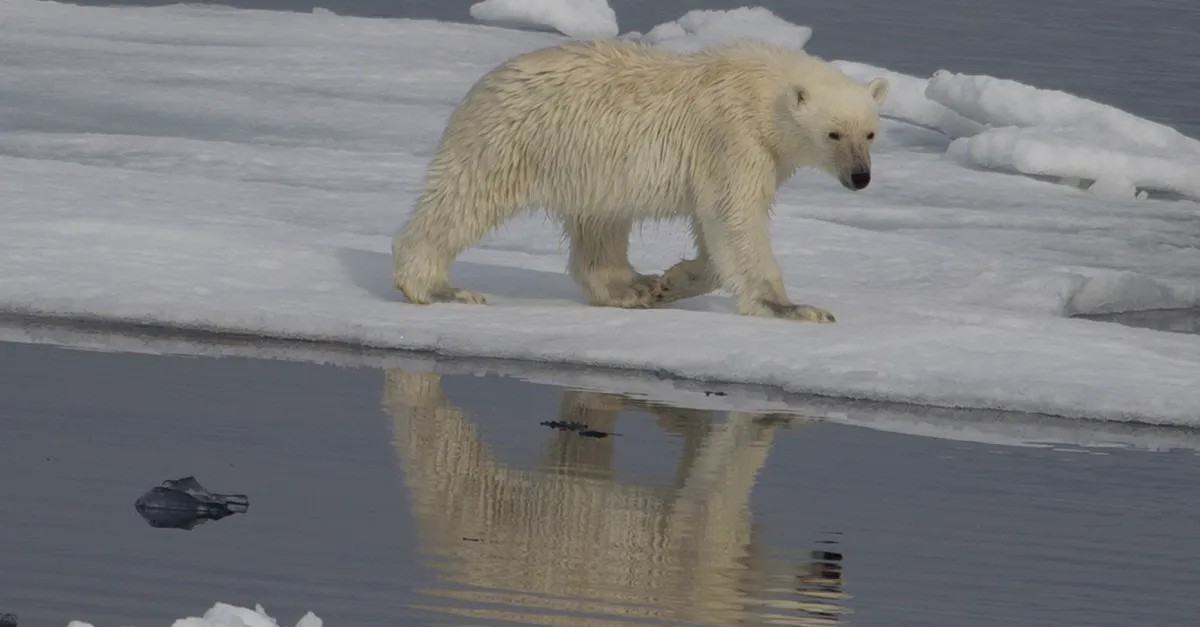
Rising temperatures are driving measurable genetic shifts in polar bear populations, suggesting a desperate but potentially effective survival mechanism. A groundbreaking study from the University of East Anglia has found that polar bears in southeast Greenland are exhibiting significant changes in their DNA, specifically through the increased activity of “jumping genes” – mobile genetic elements that can alter how other genes function. This marks the first statistically significant link between climate change and genetic adaptation in a wild mammal species.
The Crisis Facing Polar Bears
The urgency of this research cannot be overstated. Two-thirds of the polar bear population is projected to vanish by 2050 as Arctic sea ice, their primary hunting ground, melts at an accelerating rate. This habitat loss is forcing them into warmer environments with fluctuating prey availability, putting extreme pressure on their biology. The observed genetic changes are likely a response to this growing crisis.
How DNA is Changing in Real Time
Researchers analyzed blood samples from polar bears in different regions of Greenland, comparing genetic activity to local temperature data. They discovered that bears in the warmer southeast region exhibit a dramatic increase in the activity of jumping genes. These changes are not random; they’re concentrated in genes related to heat stress, aging, and metabolism – suggesting the bears are actively rewriting their genomes to cope with warmer conditions.
The speed of this adaptation is remarkable. Normally, evolutionary change happens over generations. But climate change is forcing rapid shifts in just a few years, potentially allowing the bears to survive in a warming world.
Diet and Genetics: A Direct Link
The study revealed an intriguing connection between diet and genetics. Southeastern bears, living in warmer regions with less ice, are increasingly relying on plant-based foods due to the scarcity of seals. The DNA of these bears shows signs of adapting to this altered diet, with changes in genes related to fat processing. This suggests they’re evolving to metabolize a wider range of food sources.
“We identified several genetic hotspots where these jumping genes were highly active…suggesting that the bears are undergoing rapid, fundamental genetic changes as they adapt to their disappearing sea ice habitat,” said lead researcher Alice Godden.
The Bigger Picture: Adaptation vs. Extinction
The findings don’t offer a guaranteed solution. While the study demonstrates that polar bears can adapt, these genetic shifts are likely a last-ditch effort to survive in rapidly changing conditions. The researchers plan to expand the study to other polar bear populations to see if similar changes are occurring globally.
The key takeaway is that while adaptation is happening, it doesn’t negate the need for drastic action. The scientists emphasize that reducing carbon emissions and slowing temperature increases remains critical for the species’ long-term survival. Hope exists in these genetic shifts, but the underlying problem—climate change—must be addressed to avoid extinction.