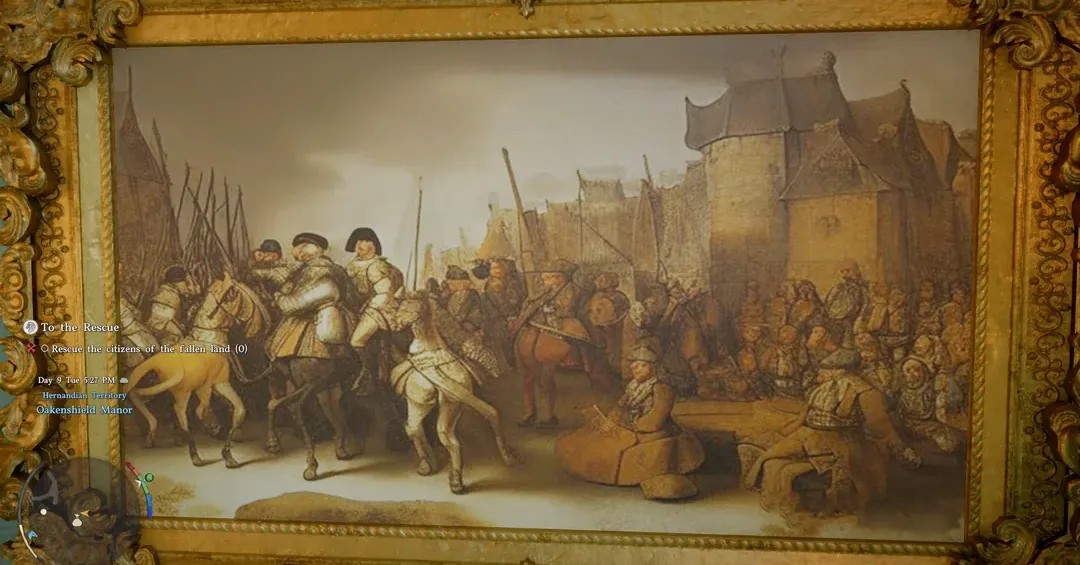
The developer of the recently released action RPG Crimson Desert has issued an apology after players discovered AI-generated assets within the game. The admission comes amid a growing debate over the ethics and transparency of AI use in game development.
The Controversy Unfolds
Following a mixed reception to Crimson Desert, the focus shifted dramatically when players identified elements that appeared to be created by artificial intelligence. The developer confirmed this, explaining that the AI art was intended as placeholder content to be replaced before launch. However, due to an oversight, some AI-generated assets made it into the final product.
“We should have clearly disclosed our use of AI,” the company stated on X (formerly Twitter), adding that they are now conducting a full audit to identify and remove all AI-created materials.
A Wider Industry Trend
The Crimson Desert case highlights a wider issue: the increasing, yet often undisclosed, integration of generative AI in video game production. While some major studios are openly adopting AI tools for tasks like concept art and texture creation, others—especially smaller teams—have pushed back, proudly advertising their games as “AI-free.” This reflects a growing tension between efficiency gains and concerns over artistic integrity and labor practices.
The use of AI in gaming is contentious because it raises questions about the value of human creativity and the potential for AI to devalue or replace artists. The Crimson Desert situation serves as a cautionary tale: transparency about AI usage is crucial for maintaining trust with both players and the creative community.
The developer’s swift response and commitment to removing the AI-generated content may mitigate some backlash, but the incident will likely fuel further discussion about ethical standards in the gaming industry.