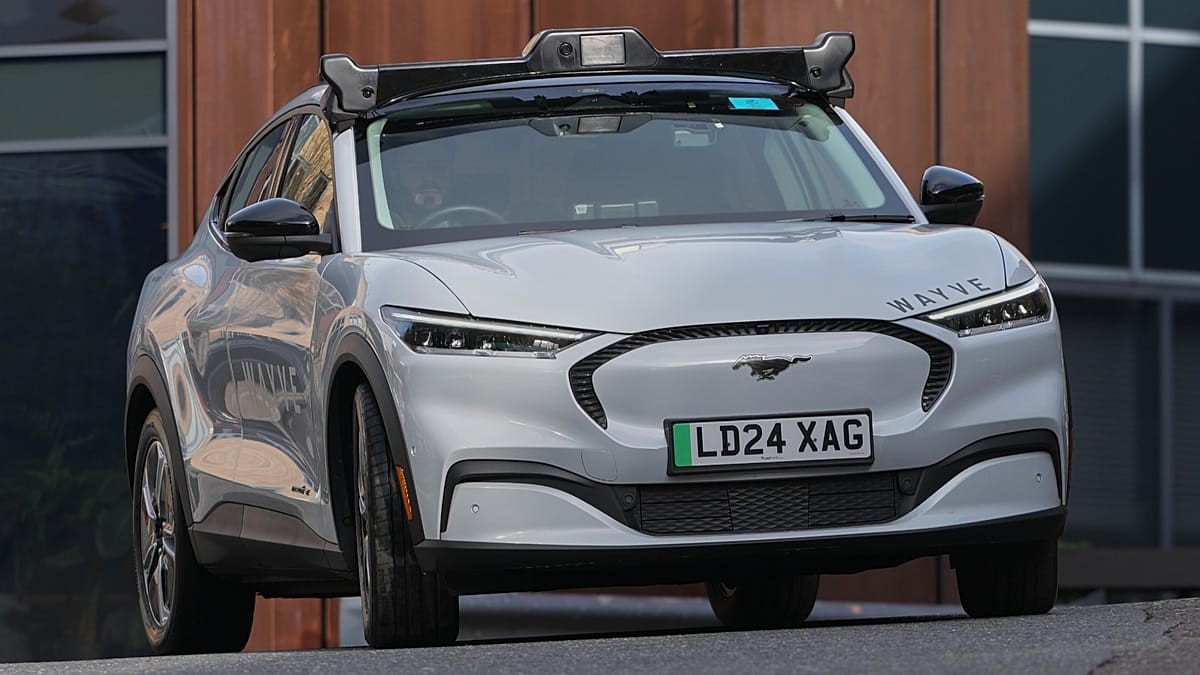
Autonomous vehicles are poised to launch in London as early as 2024, with UK-based company Wayve leading the charge. These aren’t your typical self-driving cars – they’re designed to navigate the city’s complex roads without relying on pre-mapped routes or expensive hardware. Instead, Wayve utilizes artificial intelligence trained on massive datasets of real-world driving scenarios.
How It Works: AI, Not Maps
Wayve’s approach differs significantly from earlier autonomous vehicle projects. Traditional systems needed high-definition maps and heavy computing power, making them costly and inflexible. The new AI-driven model learns like a human driver, interpreting surroundings in real-time instead of rigidly following a programmed path.
“Autonomous driving is one of the most complex engineering problems we have today,” says Wayve CEO Alex Kendall. “AI provides a way to develop a level of intelligence that means that we can drive anywhere with mass market hardware.”
The vehicles are currently tested with a human safety operator who can intervene if needed – a requirement under UK regulations. However, these operators are increasingly finding their role shifting from active driver to supervisor, as the AI handles more and more of the driving task.
The Human Factor: London’s Black Cab Drivers
London’s famous black cab drivers, who famously memorize 320 routes as part of The Knowledge (a test dating back to 1865), remain skeptical. While acknowledging technological progress, they question whether the city is ready for fully autonomous taxis.
“Will it be a fad? Technology’s evolving… Are we there yet? No way,” says driver Frank O’Beirne.
The debate underscores the broader tension between innovation and tradition. London’s cab drivers represent a unique skill set – memorizing the city’s streets is a feat of human cognition. If robotaxis prove reliable, it could render this skill obsolete, while raising questions about the future of the profession.
Why This Matters: Safety, Efficiency, and the Future of Urban Transport
The potential benefits of autonomous taxis are significant. Human error is the leading cause of traffic collisions, so AI-driven vehicles could improve road safety. They also promise increased efficiency, reducing congestion and optimizing routes.
However, public acceptance and regulatory frameworks will be crucial. If trials prove successful and the public embraces the technology, robotaxis could become a permanent fixture on London’s streets by 2026. The coming years will determine whether AI-driven vehicles will truly take over the wheel or remain a futuristic experiment.