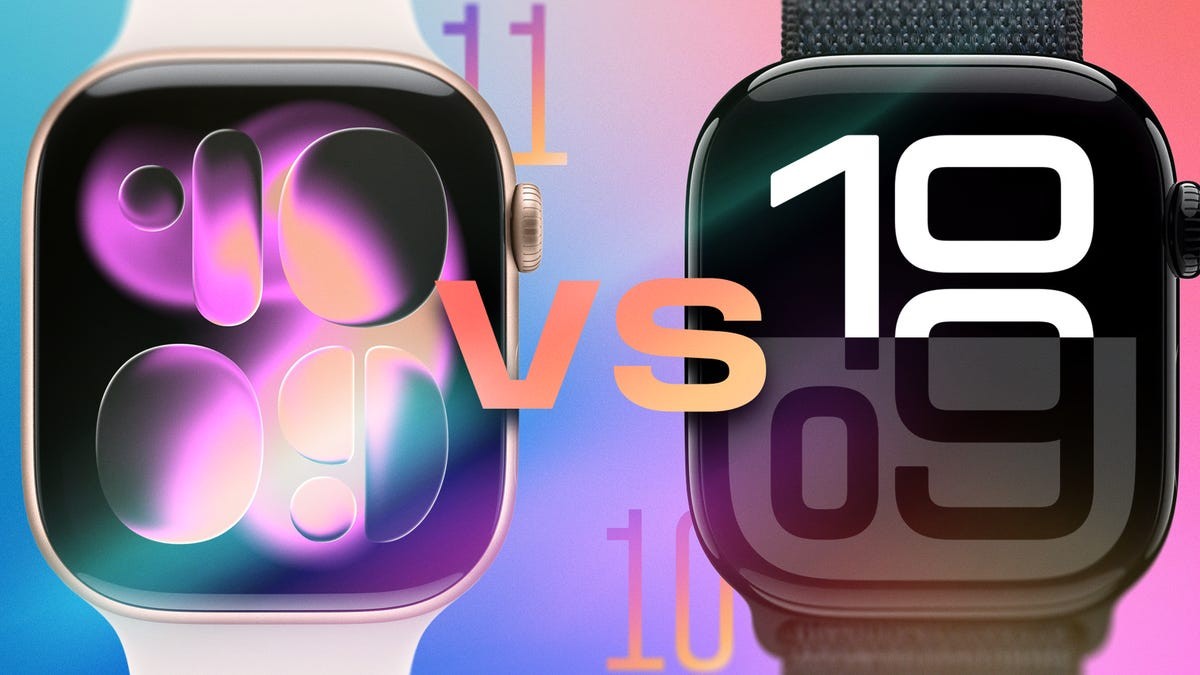
The latest Apple Watch, the Series 11, has arrived – and it’s remarkably similar to its predecessor, the Series 10. For consumers, this raises a simple question: is the upgrade worth it? The answer, for most, will likely be no. While Apple has made incremental changes, the core experience remains almost identical. Here’s a detailed comparison to help you decide.
Pricing and Availability
The Series 11 maintains the same starting price as the Series 10: $399 for aluminum, $699 for titanium. Adding cellular connectivity costs an extra $100, and band choices further inflate the price. Apple has discontinued the Series 10, but refurbished models and remaining stock from other retailers offer a cheaper alternative.
Why this matters: Apple’s pricing strategy keeps the barrier to entry consistent, but the lack of a significant price drop on the new model suggests minimal internal cost reductions.
Design and Build Quality
Visually, the Series 11 and Series 10 are indistinguishable. Both offer 42mm and 46mm case sizes, with a slightly slimmer profile at 9.7mm thick. The Series 11 is marginally heavier (37.8g vs. 36.4g for the aluminum 46mm models), but the difference is negligible. Color options include space gray aluminum (new to Series 11) alongside rose gold, silver, and jet black. Titanium models remain in slate, gold, and natural finishes.
The Series 11 boasts increased recycled materials – 100% recycled titanium (up from 95%) and 40% recycled glass for the display.
Why this matters: Apple’s move toward recycled materials is a positive trend, aligning with sustainability goals. However, the design stagnation reinforces that hardware innovation has plateaued.
Display Differences
Both models feature LTPO 3 OLED displays with wide viewing angles and up to 2,000 nits brightness. The key difference lies in glass protection: aluminum Series 11 models get twice-as-scratch-resistant Ion-X glass, while titanium models retain sapphire crystal.
Why this matters: Scratch resistance is a practical improvement, but only impacts aluminum models. Sapphire remains the premium option, further justifying the titanium price.
Performance: Same Chipset
Surprisingly, Apple reused the S10 processor from the Series 10 in the Series 11. This means no performance gains in raw processing power. The W3 wireless chip, Ultra Wideband, and 64GB of storage remain unchanged.
Why this matters: The lack of a new chipset signals that Apple believes existing hardware is sufficient for current tasks. This is a cost-saving measure, but it also means consumers aren’t getting a faster experience.
Battery Life: Marginal Improvement
Apple claims up to 24 hours of battery life for the Series 11 (vs. 18 hours for the Series 10), with Low Power Mode extending that to 38 hours (up from 36). Real-world testing suggests Apple may be underreporting performance; users report 27-32 hours with moderate use. Both models charge to 80% in 30 minutes, with 15 minutes providing up to 8 hours of use.
Why this matters: The battery gains are minor, likely due to software optimizations rather than hardware changes. If battery life is a primary concern, the Series 10 remains a viable option.
Sensors and Connectivity
Sensors (heart rate, depth, location) are identical between the two models. The Series 11 adds 5G RedCap cellular support for faster, more reliable connectivity without relying on a paired iPhone. The Series 10 relies on LTE and UMTS.
Why this matters: 5G connectivity is the most significant hardware upgrade, providing a tangible benefit for cellular users. However, it’s not a game-changer for those who primarily use Wi-Fi.
Software: WatchOS 26
Both watches run WatchOS 26, ensuring feature parity. This means no software advantages for the Series 11.
Conclusion
The Apple Watch Series 11 is a refinement, not a revolution. The incremental improvements – recycled materials, slightly better battery life, and 5G support – don’t justify an upgrade for most Series 10 owners. If you’re on an older model, the Series 11 is a reasonable choice, but those already owning a Series 10 can safely skip this generation. The core experience remains largely unchanged, making this one of Apple’s least compelling Watch updates to date.