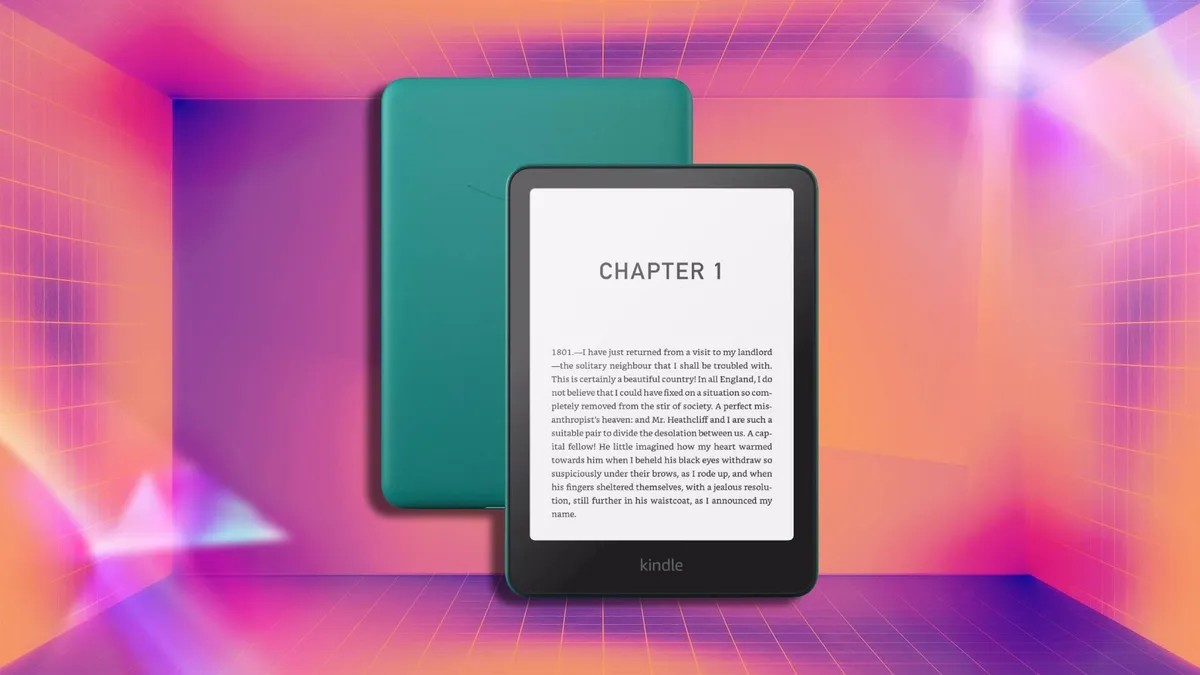
Amazon has announced that it will officially end support for Kindle e-readers and Fire tablets released in 2012 or earlier on May 20. While this move affects a small fraction of the user base, it marks the end of an era for some of the most durable hardware in the e-reader market.
What is changing?
Starting May 20, users with these older models will lose the ability to connect to the internet to buy, borrow, or download new content.
Crucially, your existing library is safe:
– Downloaded books will remain on your device and can still be read.
– The Kindle Store remains accessible via the Kindle app on Android, iOS, or desktop computers.
– Warning: If you deregister the device or perform a factory reset, you will be unable to re-register it or use its online features ever again.
Affected Models
The sunsetting of support impacts a wide range of hardware spanning over a decade of innovation.
E-readers
- Kindle 1st Gen (2007)
- Kindle DX and DX Graphite (2009–2010)
- Kindle Keyboard (2010)
- Kindle 4 and Kindle Touch (2011)
- Kindle 5 and Kindle Paperwhite 1st Gen (2012)
Tablets
- Kindle Fire 1st Gen (2011)
- Kindle Fire 2nd Gen (2012)
- Kindle Fire HD 7 and HD 8.9 (2012)
The Context: Longevity vs. Obsolescence
Amazon estimates that fewer than 3% of its users are still utilizing these legacy devices. A spokesperson noted that some of these models have been supported for up to 18 years, citing rapid technological advancements as the primary reason for the transition. To assist users, Amazon is offering promotions to encourage upgrading to newer models.
However, this decision has sparked a debate regarding “software-tethered” hardware. Consumer advocacy groups are raising concerns about the environmental and consumer rights implications of this move:
- Electronic Waste: Nathan Proctor of the Right to Repair campaign (PIRG) highlighted that such updates contribute to the growing problem of electronic waste, arguing that consumers should be able to maintain and use their products for longer.
- Consumer Protections: Stacey Higginbotham of Consumer Reports pointed out a growing gap in consumer protections, noting that when a device’s functionality is tied strictly to a manufacturer’s software, the consumer loses control over the product they purchased.
Moving Forward
If you are looking to transition away from the Amazon ecosystem or simply need a new device, there are several paths available:
– Upgrade via Amazon: Utilize their recycling service for old devices and take advantage of current promotions.
– Explore Alternatives: For those who want more control over their digital library, Calibre is a highly recommended, free, open-source ebook manager that allows you to organize and read books from various sources.
This move highlights a growing tension in the tech industry: the balance between maintaining aging infrastructure and the inevitable cycle of hardware obsolescence driven by software requirements.
Summary: While your old Kindle books will still work offline, Amazon is cutting off internet access for devices made in 2012 or earlier this May, prompting a discussion on electronic waste and consumer rights.