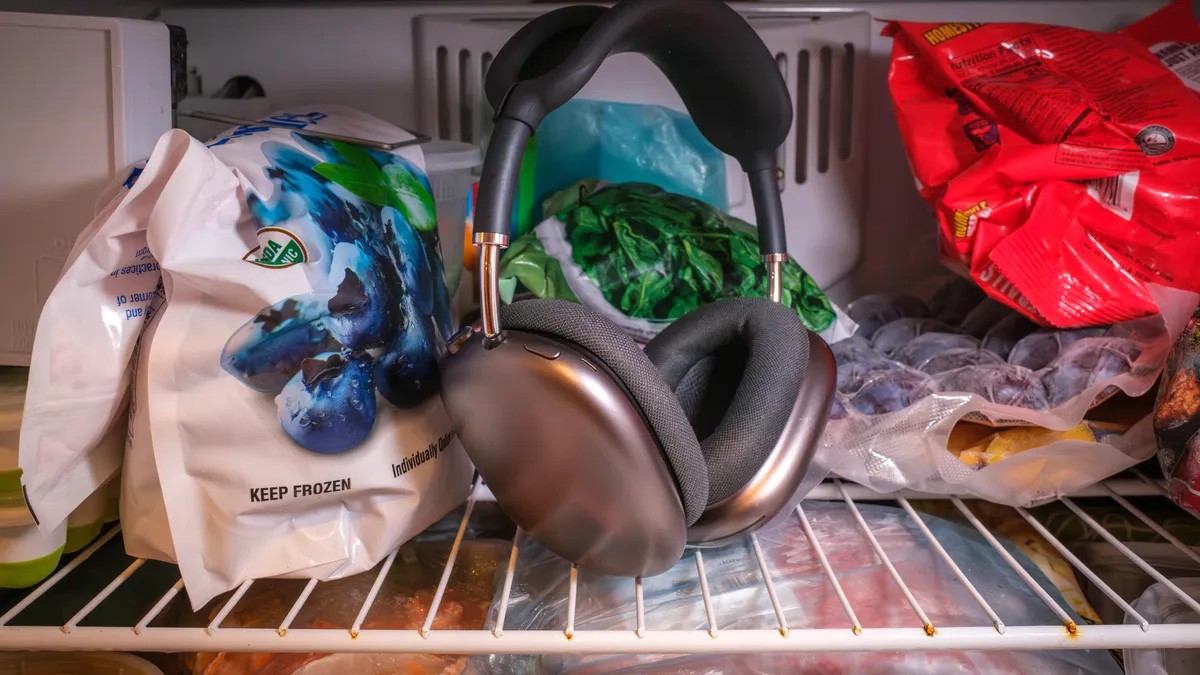
The $549 AirPods Max are prone to a frustrating glitch: suddenly becoming unresponsive. While Apple remains silent on the issue, frustrated owners have discovered a peculiar workaround – putting their headphones in the freezer. Yes, the freezer.
The Problem: The Three Amber Lights of Death
Many AirPods Max users report encountering a sequence of three amber flashing lights, followed by silence. This often indicates a connection failure, and the standard reset procedure (holding the noise control and Digital Crown buttons) stops working. The issue seems to stem from internal wiring that degrades over time, especially given the headphones’ swiveling earcups.
The Unconventional Solution: Cold Storage
Online communities, notably Reddit, suggest that freezing the AirPods Max for 30+ minutes can revive them. The theory is that cold temperatures cause the microscopic cracks in internal wiring to contract temporarily, restoring connectivity. While unscientific, reports of success are widespread enough that many users are willing to risk it.
How to Try It (If You Dare)
- Place the AirPods Max in their case (magnetically shutting them off) and put them in the freezer.
- Leave them for at least 30 minutes, though some suggest longer for maximum effect.
- Remove, wipe off condensation, and test.
The Catch: It’s Temporary
Freezing the headphones is not a permanent fix. The issue will likely return, requiring repeated cold treatments. This raises questions about long-term reliability and whether Apple acknowledges a design flaw.
Alternative: Contact Cleaning
Another reported fix involves disassembling the headband (using a SIM card ejector tool) and cleaning the internal contacts with alcohol. This is more involved but might offer a slightly longer-term solution than freezing. However, it voids any remaining warranty.
The Future of the Fix
Until Apple addresses the issue, users are left with unreliable workarounds. The lack of an on/off switch and the expensive repair costs make the AirPods Max a risky purchase for those who rely on them daily. For now, the freezer remains a surprisingly effective, if absurd, solution.