
































The traditional startup playbook for launching a product is undergoing rapid change thanks to artificial intelligence (AI). Companies can now achieve more with fewer resources, but the shift requires new skills and a strategic approach to leverage these tools effectively.
The New Efficiency: Doing More with Less
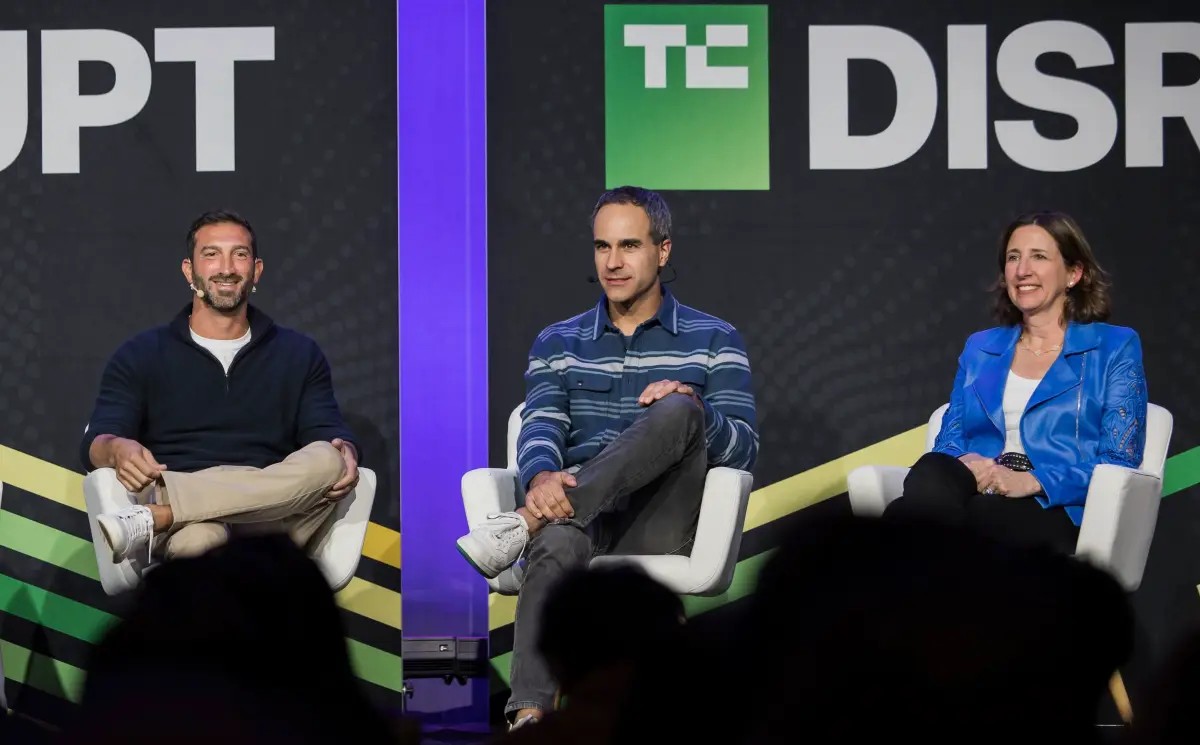
For years, startups relied on established go-to-market (GTM) strategies. Now, AI is disrupting this landscape. As Max Altschuler, a general partner at GTMfund, pointed out at TechCrunch Disrupt, AI enables startups to amplify their impact with fewer personnel and reduced costs. This doesn’t mean abandoning proven methods, though; solid domain expertise and marketing fundamentals remain critical.
“You can do more with less than ever before,” but that doesn’t mean traditional marketing knowledge is obsolete.
AI’s Role: Beyond Automation
AI isn’t just about automating tasks; it’s about precision. Marc Manara, head of startups at OpenAI, notes that startups are using AI to hyper-personalize outreach and identify highly qualified leads. AI-driven prompts can sift through data to find prospects matching very specific criteria, far beyond the capabilities of simple database queries. This applies to inbound marketing, too, where AI can qualify leads with unprecedented accuracy.
The Changing Face of Hiring: Curiosity Over Specialization
The demand for AI expertise is reshaping hiring practices. Alison Wagonfeld, VP of marketing at Google Cloud, says that companies now prioritize curiosity and adaptability over hyper-specialized roles. The ability to learn quickly and apply AI tools effectively is more valuable than deep knowledge in niche marketing areas.
“It’s almost the top thing to hire for now: a sense of curiosity and understanding.”
Why This Matters: The Future of Growth
This shift has major implications. Startups can now scale GTM efforts faster and more efficiently than ever before. AI allows for rapid iteration, increased personalization, and smarter allocation of resources. However, success depends on integrating AI thoughtfully, not simply as a cost-cutting measure. The ability to analyze data, understand customer insights, and create compelling content remain core marketing principles.
The rise of AI-powered GTM strategies signals a new era for startups: one where speed, precision, and adaptability are paramount. Companies that embrace these changes will be best positioned for growth in an increasingly competitive market.