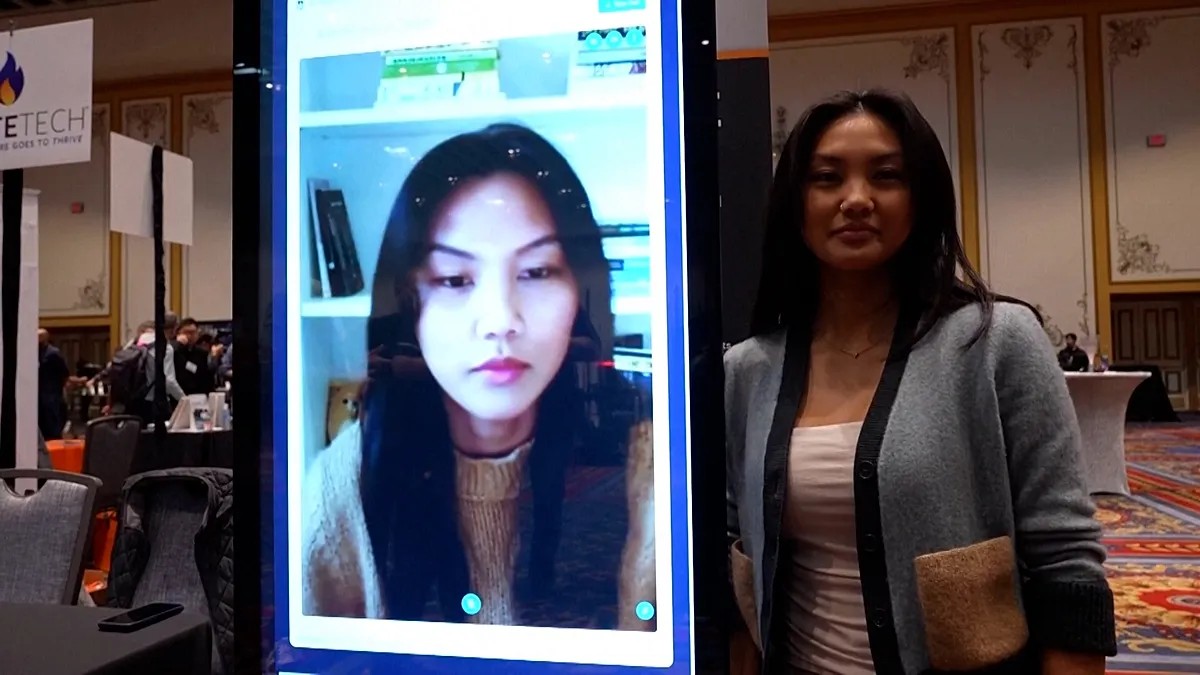
A groundbreaking AI platform, unveiled at CES 2026, promises to replicate employees digitally, allowing companies to deploy AI-powered stand-ins for tasks ranging from customer service to internal training. The technology, dubbed MyPersonas and developed by IgniteTech, creates virtual copies of workers using existing video, voice recordings, and written communication.
How It Works: AI-Powered Replicas
MyPersonas doesn’t just mimic voice or video; it aims to replicate an employee’s entire digital presence, including speech patterns, mannerisms, and even personality quirks. These digital twins can respond in 160 languages, engage in video chats, and handle routine inquiries without human intervention.
The use case IgniteTech highlights is freeing up high-value employees from repetitive tasks. For example, HR departments drowning in onboarding and FAQ requests could deploy a MyPersonas clone to handle these duties 24/7.
Ethical Minefield: Consent, Control, and Beyond
The arrival of digital clones immediately raises thorny ethical and privacy questions:
- Ownership of Likeness: Who legally owns the digital replica – the employee or the company?
- Consent Management: How do companies ensure employees freely consent to having their likeness used in this way, and what happens if that consent is revoked?
- Post-Employment Use: Should companies be allowed to continue using a digital twin of a former employee?
These aren’t merely legal technicalities. The potential for misuse – from unauthorized impersonation to deceptive customer interactions – is high, making this technology a double-edged sword.
“The long-term consequences of digital cloning in the workplace are unknown,” notes tech analyst Sarah Chen. “While productivity gains are tempting, the erosion of trust and the risk of exploitation could outweigh any benefits.”
The rapid advancement of AI makes such tools inevitable, but without clear regulations, companies risk sparking a backlash from employees and the public. The era of digital doubles has arrived, and with it, a new set of ethical dilemmas that demand urgent attention.